


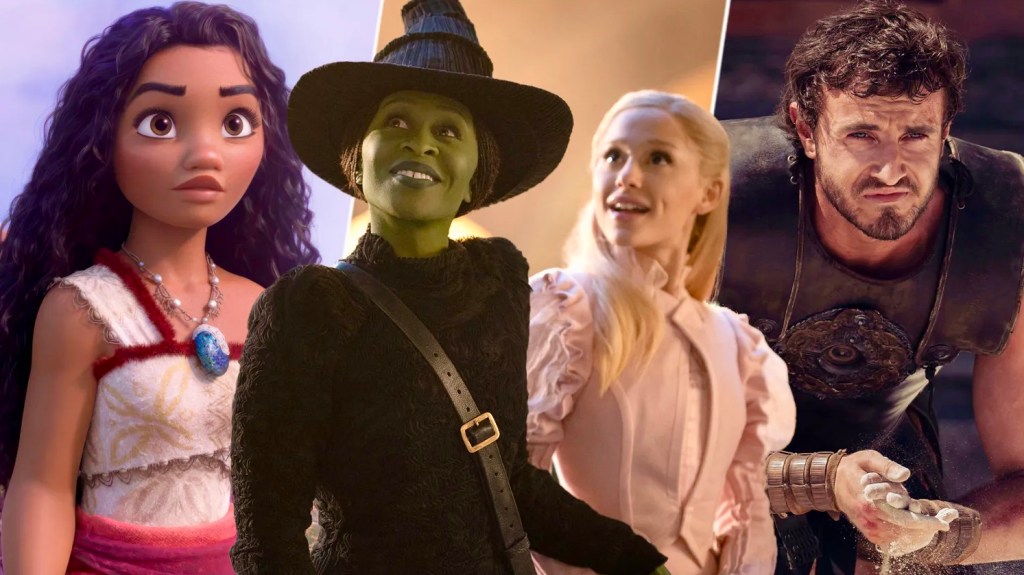
Turns out it was an early Christmas for Disney, Universal, and Paramount Pictures, as audiences went to the movies over Thanksgiving in record-breaking numbers.
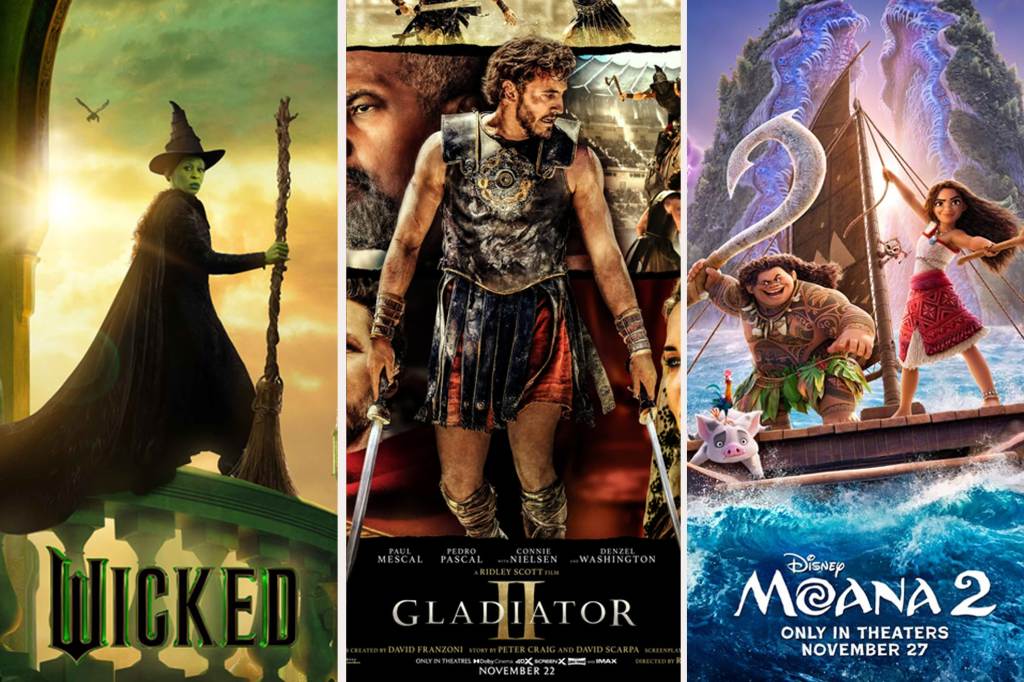
This past weekend’s U.S. box office total reached an unprecedented $413 million, shattering the previous 2018 Thanksgiving record of $315.6 million.
It seems that singing witches, gladiators, Moana, and The Rock can all co-exist and earn strong numbers at the box office.
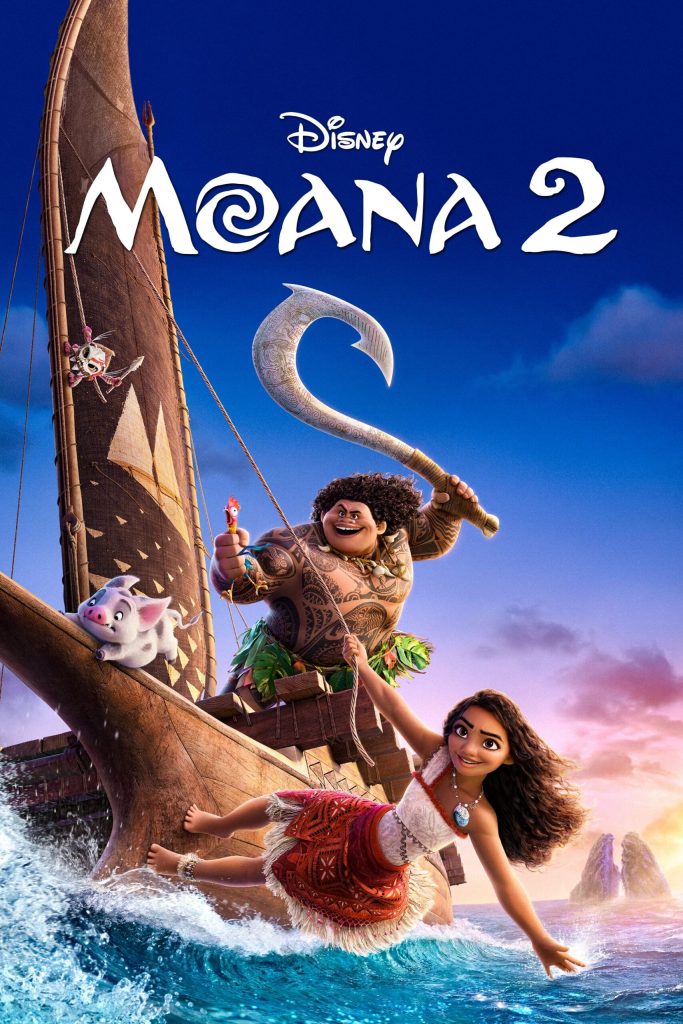
But while Disney’s Moana 2 roared in like a tsunami, with a jaw-dropping $225 million over the 5-day holiday weekend, the most surprising twist wasn’t its dominance (53% of the box office), but the resilience of its competition (Wicked, Gladiator 2, Red One) which refused to get washed away in Moana 2’s wake.

So what does Moana 2’s tsunami of success mean for Disney, and how did the rest of the box office withstand its impact? Let’s dive in.
DISNEY IS OPENING THE CHAMPAGNE: MOANA 2 HAS AN EXTRAORDINARY DEBUT WEEKEND

Remember 8 years ago when Moana first came out? It earned $82 million over its 5-day opening in Thanksgiving 2016, at the time a strong start for an original animated feature.
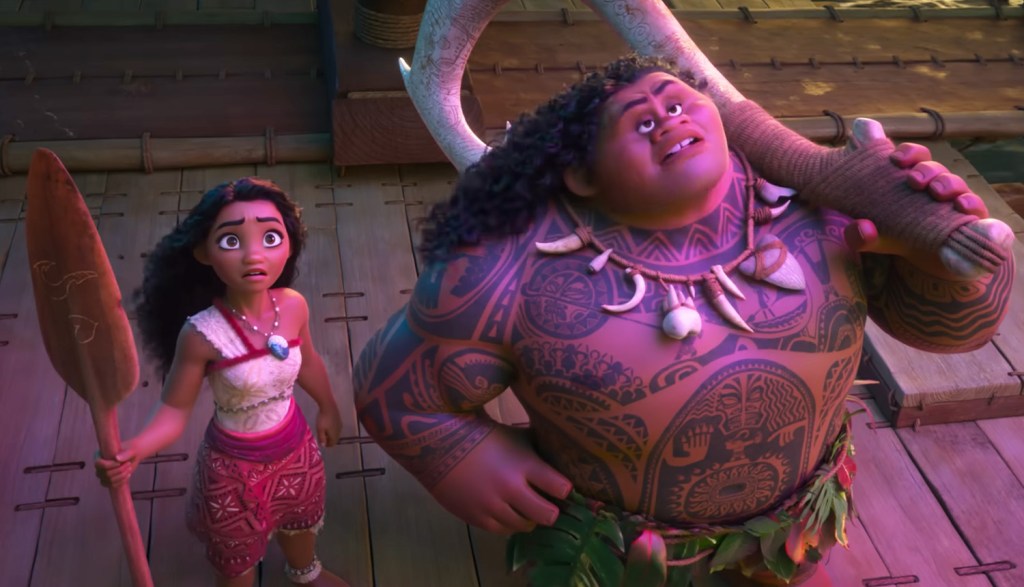
Fast forward to today, and Moana 2 is shattering expectations with $225 million over the Thanksgiving holiday, a record-breaking Wed-Sun opening.
Remarkably, Moana 2 will surpass the first film’s entire domestic run of $248 million later this week.
And if you count international numbers, Moana 2 has racked up $389 million globally in just 5 days, the highest debut for any animated film ever.
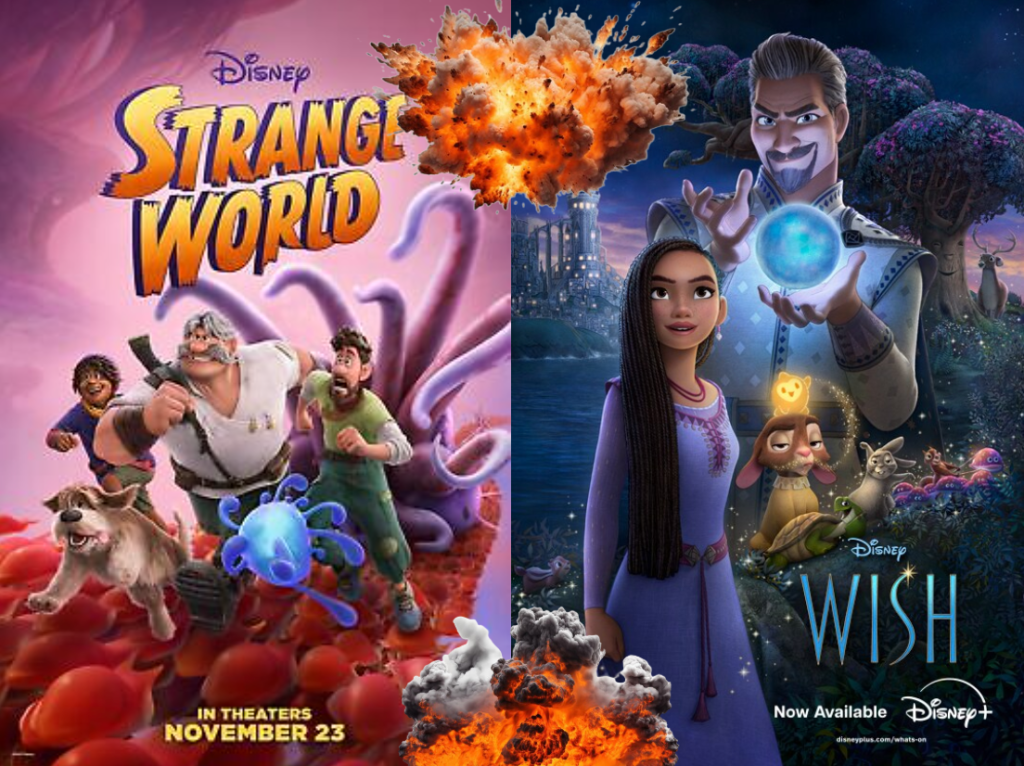
That’s pretty amazing, especially since Moana 2 earned more than the combined worldwide box office of Disney’s recent animated bombs, Strange World ($73 million in 2022) and Wish ($255 million in 2023). And this is just over one weekend!
WHY IS MOANA 2 PERFORMING SO WELL?
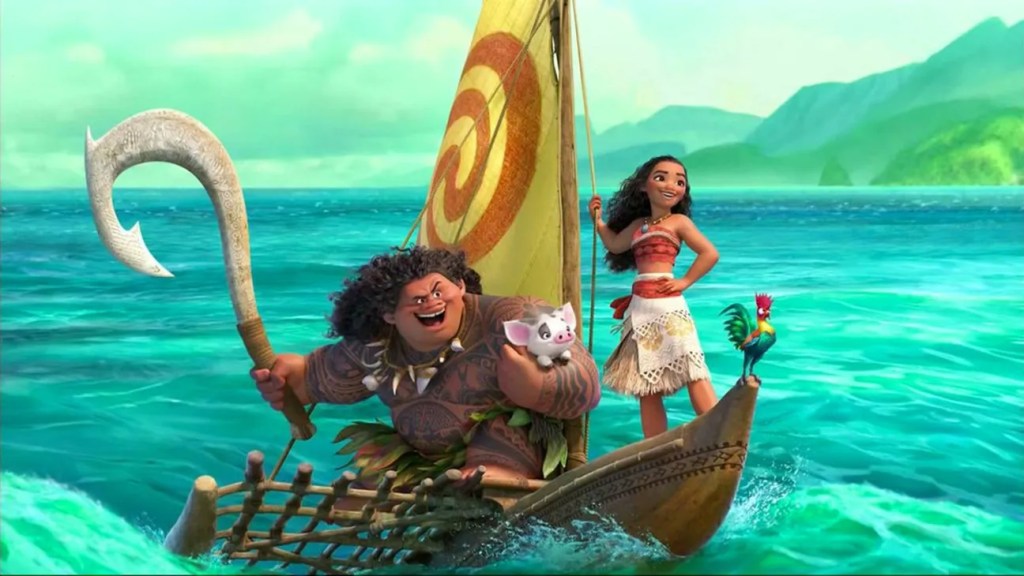
Audiences clearly LOVE the Moana IP – its characters, story and songs.
The original 2016 Moana garnered universal acclaim, and cemented itself as a fan favorite. And over the past five years, Moana has consistently ranked as the most-watched film ever on Disney+, keeping the brand alive in the hearts of audiences.
And with Moana 2’s success, movie theater owners are breathing a sigh of relief as families appear to have finally moved past the “stay home for streaming” habits of the past 4 years, rediscovering the magic of the big screen.


This resurgence of Disney with families was already evident with the massive success of Inside Out 2 earlier this summer, which grossed an record-breaking $1.69 billion worldwide.
Funnily enough, Moana 2 was originally designed as a Disney+ streaming series.
In hindsight, the choice to move Moana 2 from streaming to theatrical will likely go down as a masterstroke financial decision.
BUT… IS THE FILM ANY GOOD?
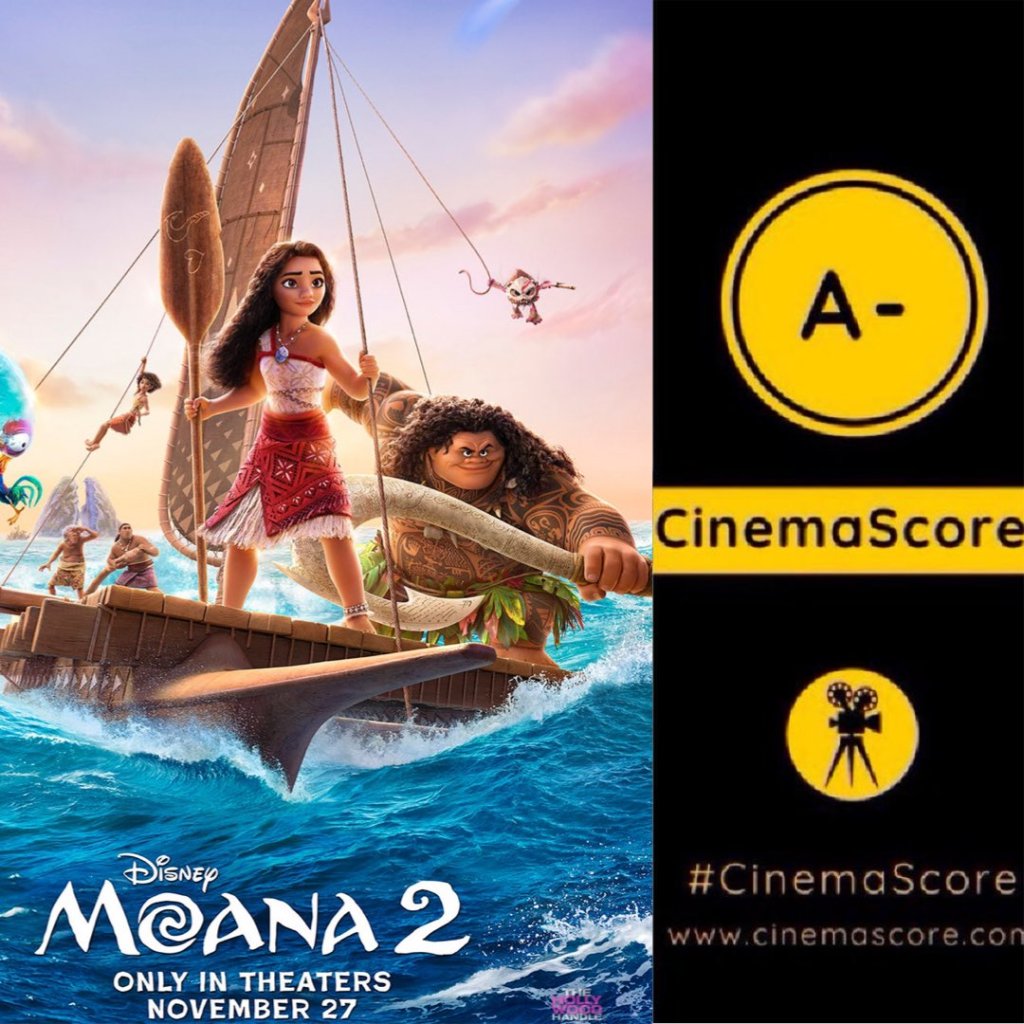
Moana 2 landed an “A-” grade on CinemaScore, echoing the same audience reaction as recent Disney sequels Frozen 2 and Wreck It Ralph 2.
PostTrak scores revealed an 89% “positive” rating from audiences for Moana 2, consistent with the first Moana and Inside Out 2. However, the sequel’s “definite recommend” score of 64% falls short of the first Moana’s 79%, reflecting mixed feelings about the sequel’s quality.
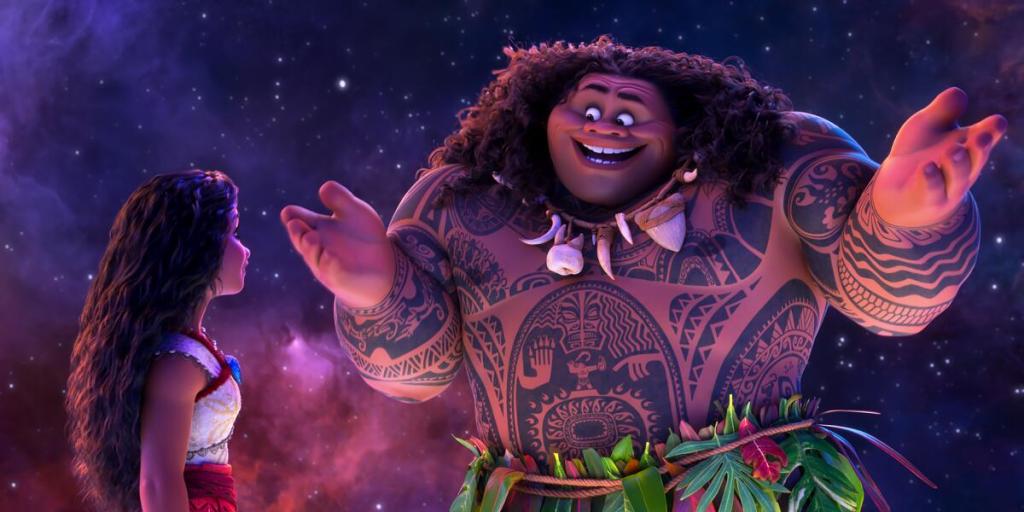

I saw the film myself, and while visually stunning, Moana 2 has lackluster songs (where did you go, Lin Manuel Miranda?), a forgettable villain, and an uneven narrative that truly feels like it began as a 9-episode season of a TV show.
As a film, Moana 2 is more “frustrating” than outright “bad”. But the simple excitement of returning to this world for another adventure has proven enough to draw massive crowds.

The diverse audience breakdown also highlights Moana 2’s broad appeal: 36% Hispanic and Latino, 27% Black, 18% Caucasian, and 11% Asian American.
Women made up 65% of the audience, with parents and families leading the charge.
40% of Moana 2’s audience was under 18, likely the younger portion of the audience that loved the first Moana over the past 8 years.

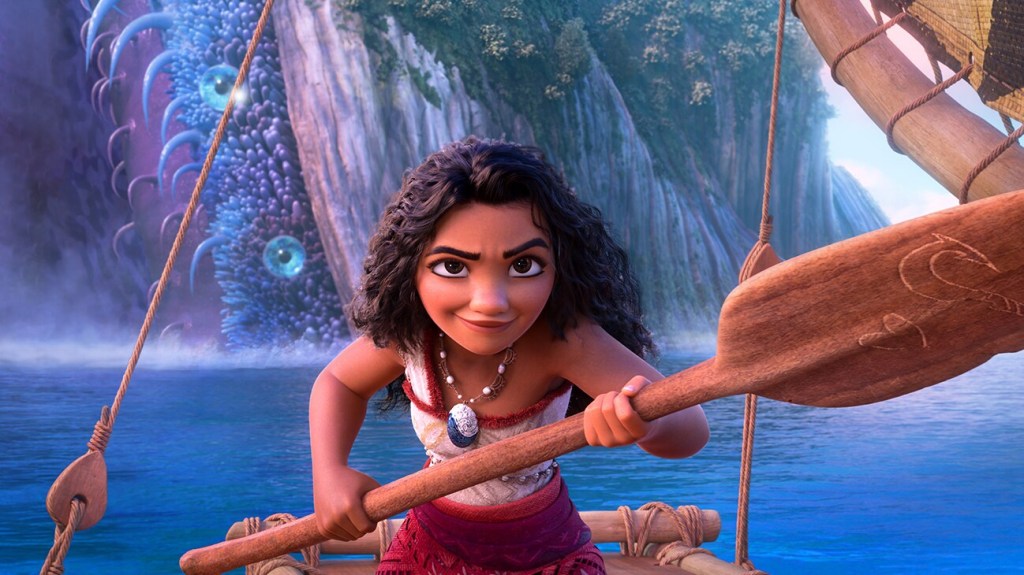
I’m predicting a final U.S. total of $475-$550+ million, and $1.1-$1.2 billion worldwide, which would make Moana 2 one of the highest grossing animated films of all time.
AN EMERGING TREND: DISNEY SEEMS TO LOVE THE 2010S!!
Moana 2’s overwhelming success has raised questions about Disney’s reliance on established IPs from the 2010s.
Not just with Inside Out 2 earlier this year, but Disney is releasing Zootopia 2 and Frozen 3 in Thanksgiving 2025 and 2027.
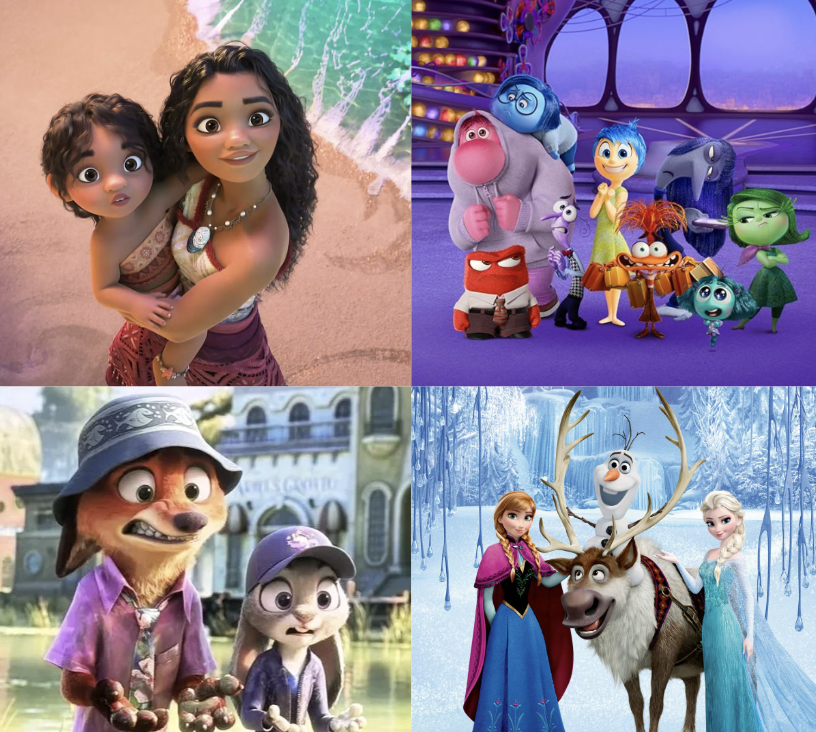

Heck, there’s even a live-action Moana slated for summer 2026!
All of this leads to the question: is all this “too soon”? Will audiences grow tired of these 2010s franchises?
Moana 2’s reception suggests otherwise, so we’ll see if audiences continue to embrace returning to old (but not too old), beloved worlds and characters.
Regardless, Disney must not overlook the importance of original storytelling.
Next summer’s Elio, an original film from Pixar, represents a key opportunity for Disney to show they can still create exciting fresh films and original hits like they did with the first Moana. Fingers crossed.

WICKED CONTINUES TO DEFY GRAVITY

Moana 2 wasn’t the only big budget magical-fantasy-musical captivating audiences this Thanksgiving.
Despite fierce competition, Universal’s Wicked delivered an outstanding second weekend, showcasing incredible staying power.
Wicked brought in $81 million over the traditional 3-day weekend, representing a mere -28% drop from its $112.5 million debut (a normal second weekend drop for a pre-Thanksgiving film is around -45%).
It helps that Wicked and Moana 2 shared different audiences. Only 13% of Wicked’s audience was under 18, compared to 40% of Moana 2‘s audience which was under 18.

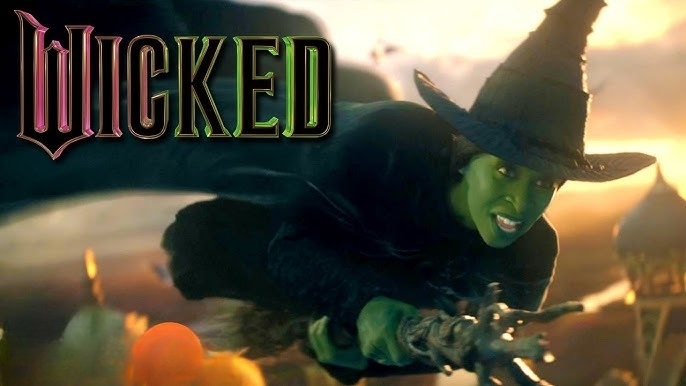
Expanding to the 5-day holiday frame, the film added $118 million, bringing its domestic total to $263 million after just two weekends.
To put that in perspective, Wicked has already surpassed Grease ($190 million) to become the highest-grossing Broadway musical adaptation in U.S. box office history.
It’s almost unheard of to see such a minimal drop for a blockbuster of this scale. This is especially a huge deal since its competing with Moana 2 for screens and audiences.
Wicked has become a pop-culture event unto itself, regardless of the Broadway musical’s passionate fan base.


And with awards season on the horizon, the film is expected to maintain its momentum throughout the holiday season, and will likely extend its theatrical run into Oscars season in early March.
I’m now expecting an ending domestic box office total of $400-500+ million for Wicked. And while its international total currently stands at a “meager” $97 million, at this point who cares?
On a $160 million budget, Wicked will likely end with $650-$750 million worldwide. And this is just for Part 1!
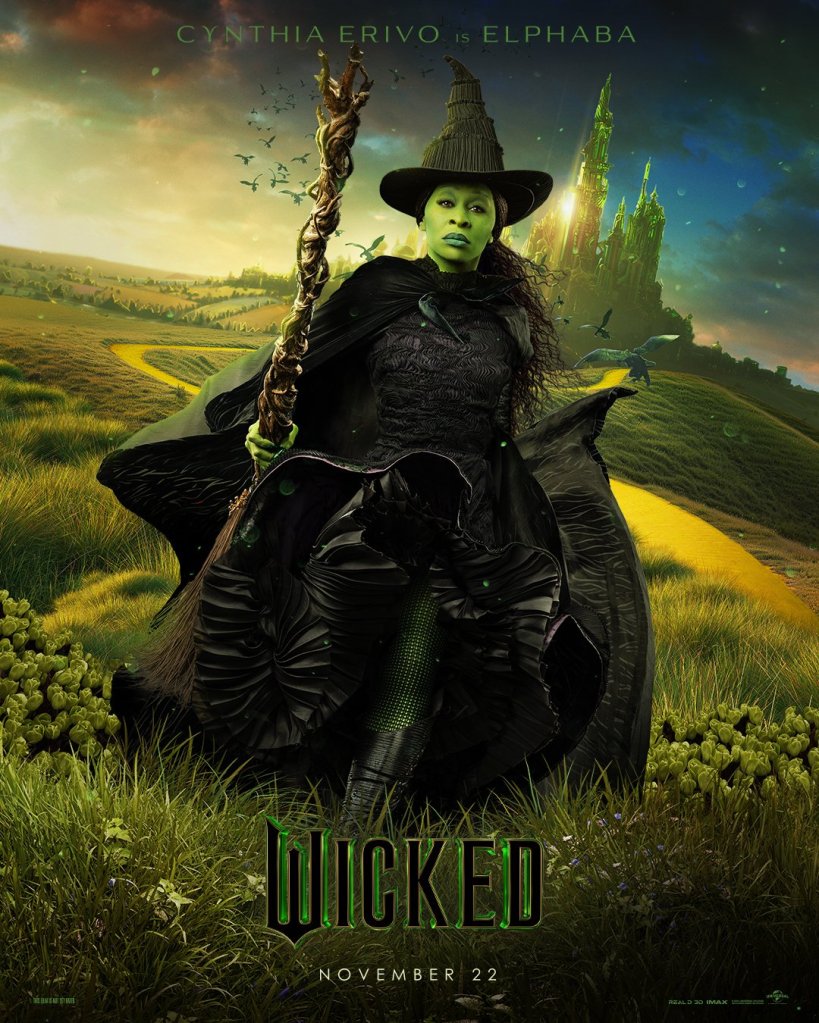
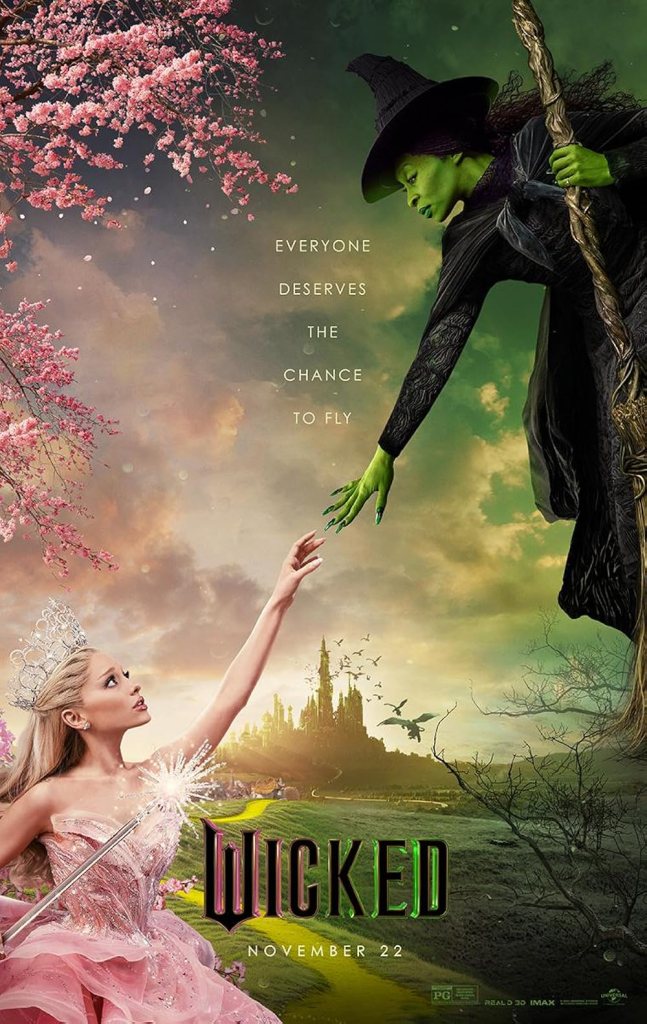
Wicked’s performance solidifies its place as one of the year’s biggest cinematic successes, proving that even in a competitive marketplace, it’s still possible to defy gravity.
GLADIATOR II FIGHTS OFF THE COMPETITION
Paramount’s Gladiator II continued to fight its way through the crowded Thanksgiving weekend, earning $31 million over the Fri-Sun frame (down -44% from last weekend) and $44 million across the 5-day holiday period.
This brings the film’s domestic total to $111 million after ten days, with a worldwide haul of $320 million to date.

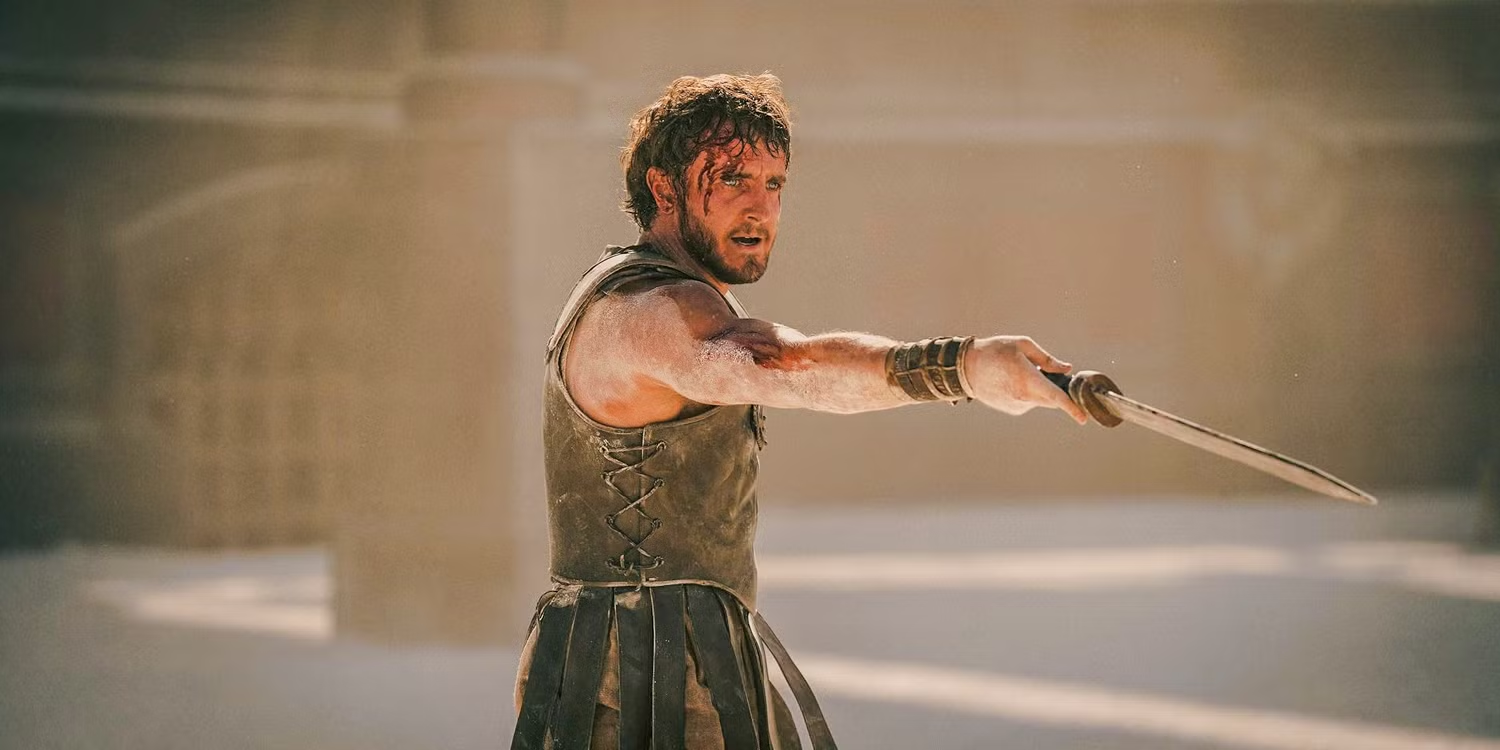
Competing against the massive draws of Moana 2 and Wicked, Gladiator II has managed to carve out its audience, especially internationally, where it has already amassed $209 million.
Projections now suggest a worldwide finish for Gladiator II in the $450–$500 million range.
Gladiator II also benefits from being the only big-budget action spectacle in theaters, until Captain America 4 in mid-February.

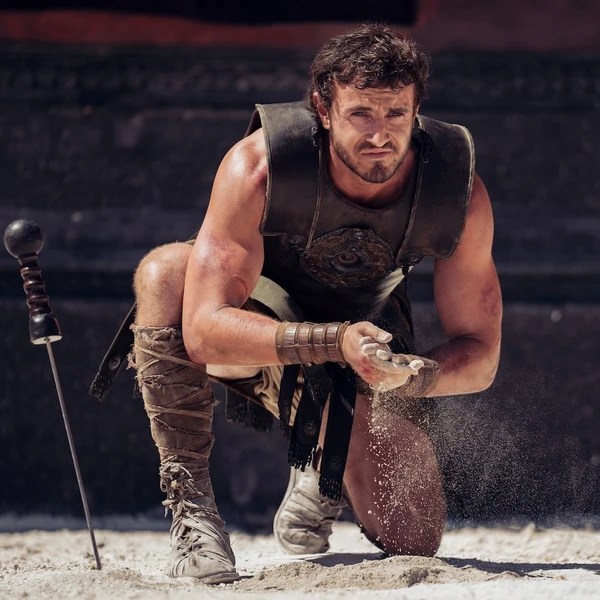
This lack of competition, combined with strong appeal among male moviegoers seeking large-scale, cinematic action, could help Gladiator II leg out to a final U.S. total of $150–$170 million.
While Gladiator II‘s $250 million production budget makes profitability an uphill battle, its performance remains notable for a swords-and-sandals epic: a niche genre, that historically struggles to deliver blockbuster returns.
For context, the highest-grossing entry in this genre, 2010’s Clash of the Titans, capped at $493 million worldwide.

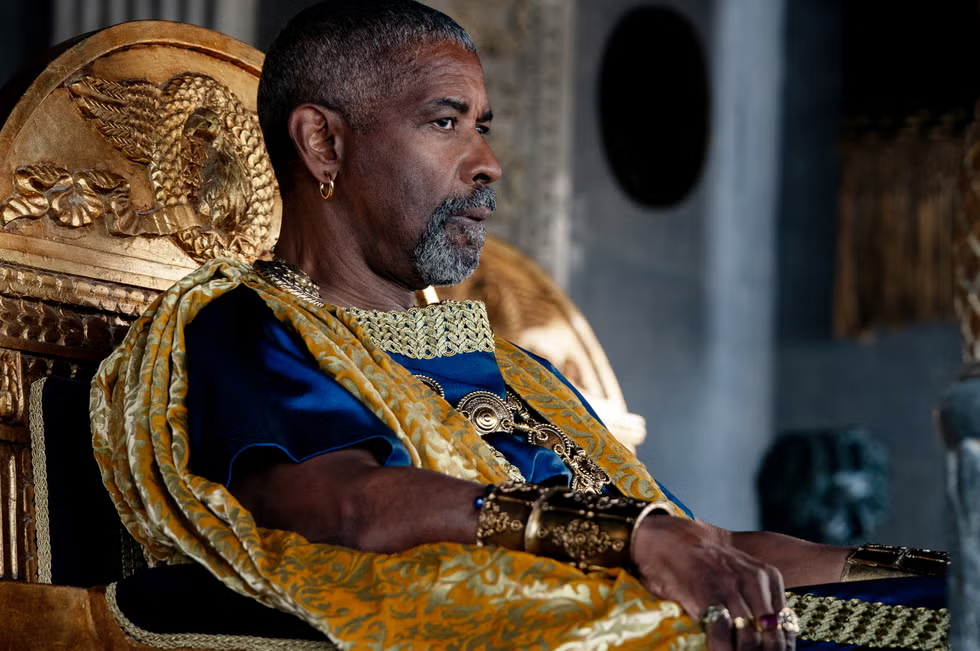
While below the $188 million domestic total of the original Gladiator, these numbers reflect the challenges of reviving a 24-year-old franchise, in a market saturated with event films, especially from a challenging genre.
RED ONE: PERFORMING FINE FOR A CHRISTMAS MOVIE, BUT TOO EXPENSIVE TO BREAK EVEN
Amazon/MGM’s Red One earned another $13 million (-4% from last weekend), and a 5-day of another $19 million, giving the Dwayne Johnson and Chris Evans’ Christmas action comedy a $76 million 3 week total.
With an A- from CinemaScore the film has decent word of mouth, and it will earn far more money than it would have as an Amazon streaming-only release, as originally planned.

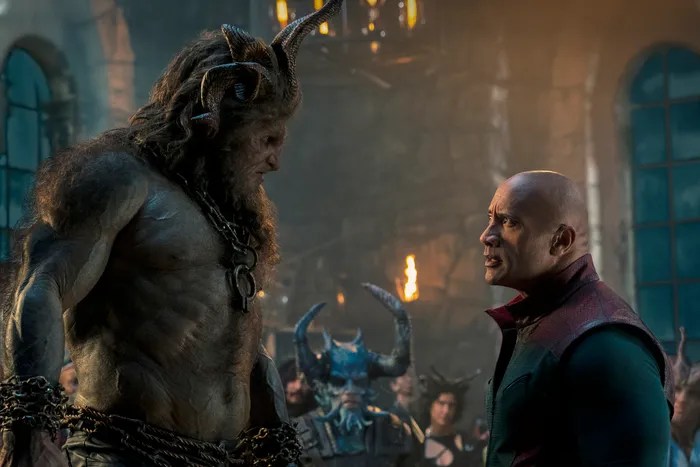
Okay, that’s the good news, but let’s not forget Red One cost $253 million to make, before marketing costs.
Assuming Red One continues to leg out over December – think $110-$125 million (on par with Dwayne Johnson’s 2010s blockbusters like Rampage and Central Intelligence) – this might qualify as a face-saving performance.
Internationally the film has earned $72 million so far, and worldwide is estimated to end with only $200-$250 million worldwide.
That’s on par with the Tim Allen Santa Clause movies, albeit on triple the budget.

Lesson here Hollywood (and The Rock): don’t spend so much where you suddenly have to break records just to break even!

Overall, this holiday weekend proved that a diverse offering of event films — whether animated, musical, or action-packed—can coexist and thrive.
With something for every audience, it’s a promising sign for the future of theaters, where the allure of the movies continues to bring us together.
And that’s it for the weekend box office. What films are you still interested in seeing or hearing about? Leave a note in the comments below if there’s a film you’re interested in seeing or talking about.

 Zan Hollywood Box Office - Analysis Site
Leave a comment