-
The Odyssey Conquers The Box Office: How Christopher Nolan Turned a 2,800-Year-Old Story Into A Smash Hit
Turns out, summer moviegoers didn’t need another superhero film.
Or another animated sequel.
Or another established franchise.
What instead got moviegoers to really buy tickets was a 2,800-year-old Greek epic.

Christopher Nolan’s The Odyssey opened to a spectacular $124 million in the U.S., crushing industry expectations of $70–80 million.
Worldwide the film opened to $264 million, which is the highest global debut EVER for a non-franchise live-action film, beating Avatar’s debut of $242 million in 2009.
That’s also Nolan’s biggest opening ever, outside of The Dark Knight series, and one of the biggest box office successes of the year.
More importantly, after a summer filled with underperforming blockbuster tentpoles (Mandalorian & Grogu, Masters of the Universe, Supergirl, Moana), Hollywood finally has another genuine hit on their hands this summer.

So why did The Odyssey work so well?
Here are 3 thoughts:
1. OLD STORIES CAN STILL FEEL BRAND NEW
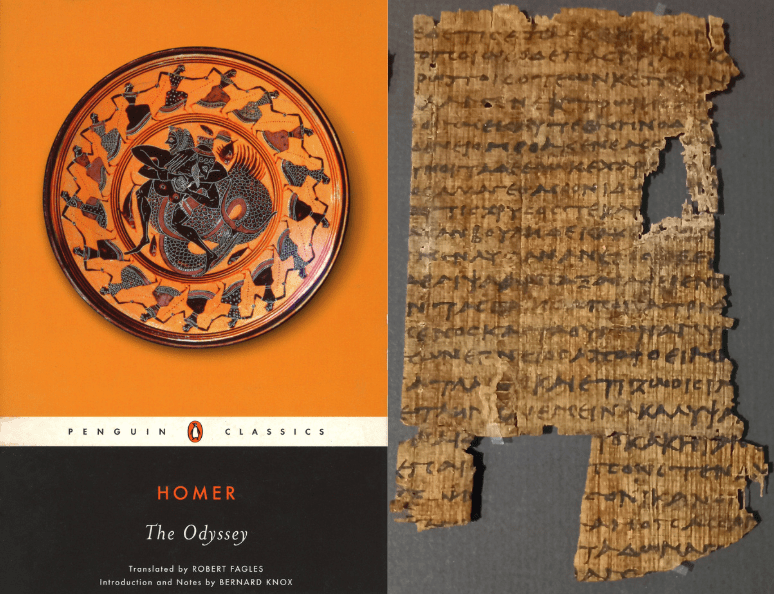
It’s easy to forget that The Odyssey isn’t just another book adaptation.
It’s one of the oldest surviving stories in human history.
Written by Homer around 700 BCE, Homer’s epic The Odyssey follows the hero Odysseus on a 10-year journey to get home.
The story has remained relevant across countless generations inspiring everything from fantasy adventures, to modern science fiction.
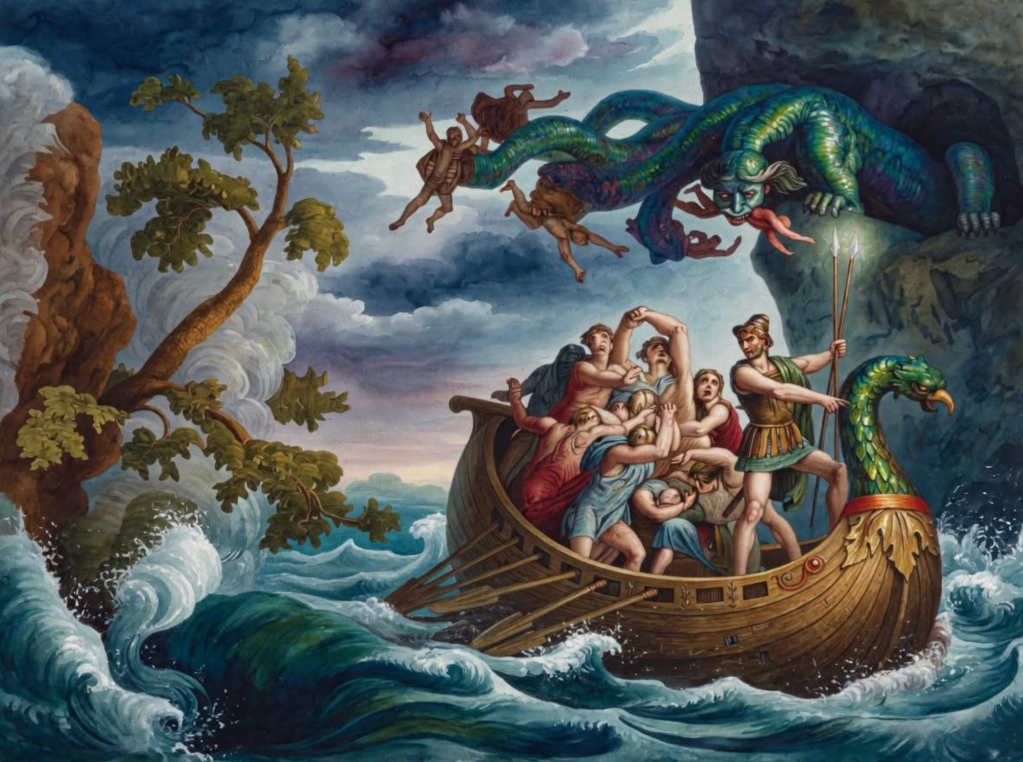
Most people encounter the story at some point in school.
Others know it through adaptations.
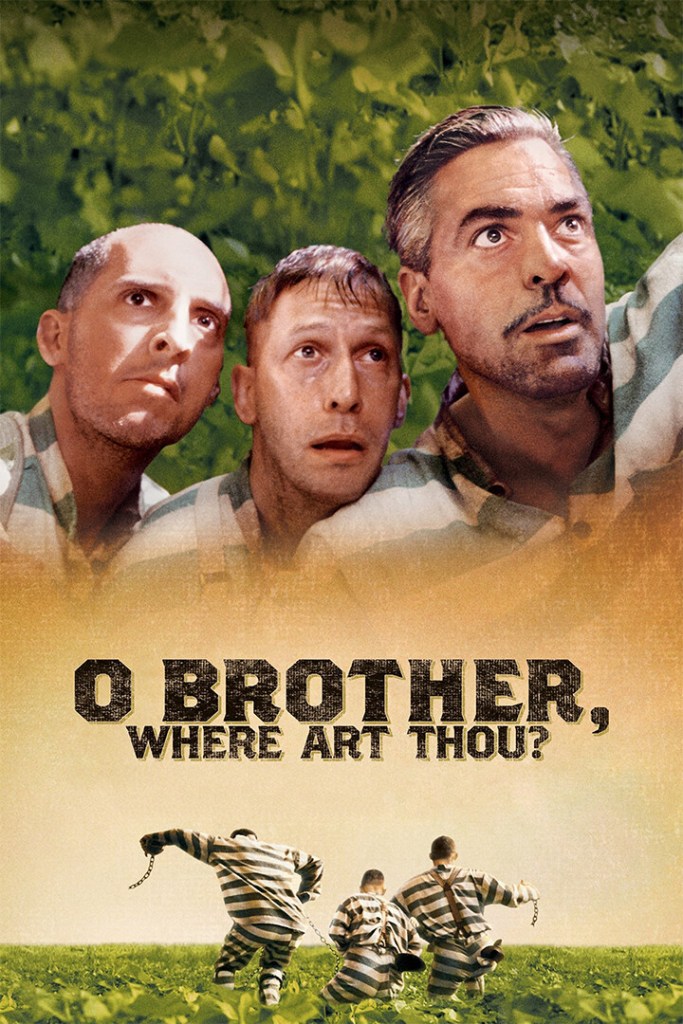
My personal favorite was the Coen Brothers’ O Brother, Where Art Thou? a loose adaptation set in 1930s Mississippi with comedic characters and great music.
But a film adaptation of The Odyssey in its full epic glory, yet reachable to modern audiences, is the “NEW” creation Nolan’s offering to audiences.
I saw the film over the weekend, and it absolutely delivers.
The film satisfies longtime fans of Homer’s epic, while still functioning as a massive summer action spectacle for general audiences.

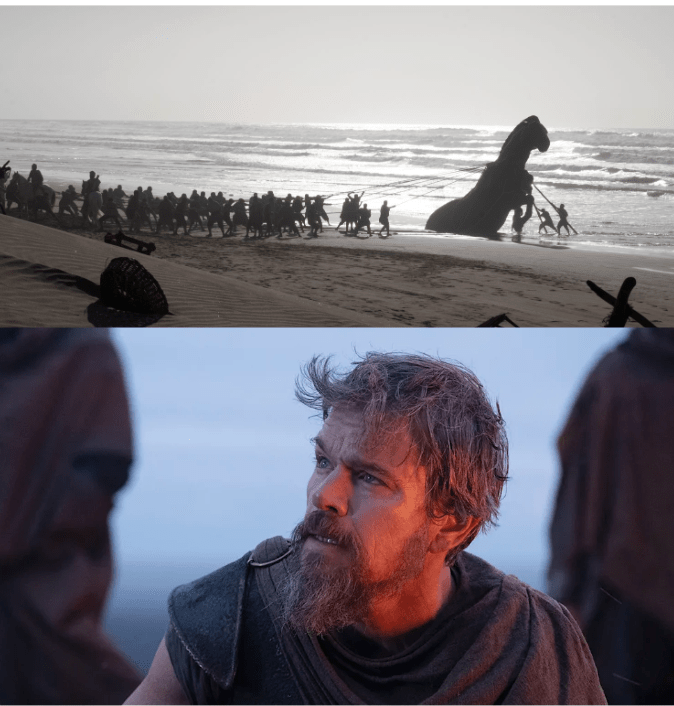
And rather than focus on the intervention with Gods that was more part of the plot in the original poem, Nolan shows us a timely message: when people abandon trust, hospitality, and shared moral obligations in pursuit of power (e.g. use a Trojan Horse to gain access to destroy), they set themselves and future generations up for decline.
That message makes the film feel surprisingly relevant to today.
2. CHRISTOPHER NOLAN HAS BECOME HIS OWN FRANCHISE
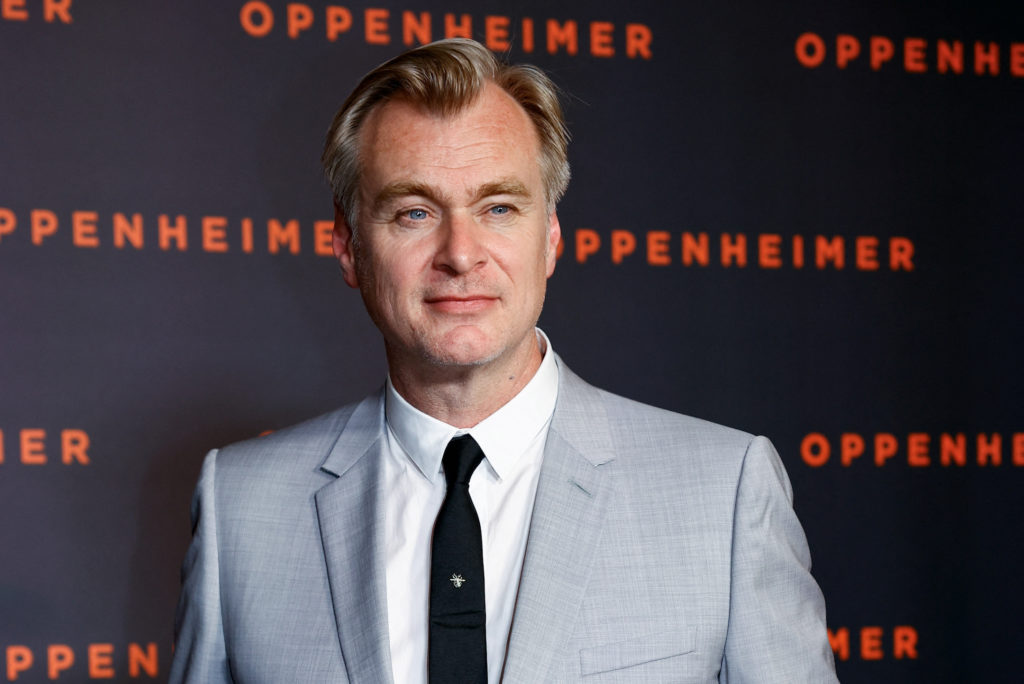
At this point, Christopher Nolan isn’t simply a director. He’s an event.
Coming off the success of Oppenheimer, audiences were already eager to see whatever he made next.
And Nolan rewarded that trust, with The Odyssey outperforming Oppenheimer’s debut of $82 million in 2023.
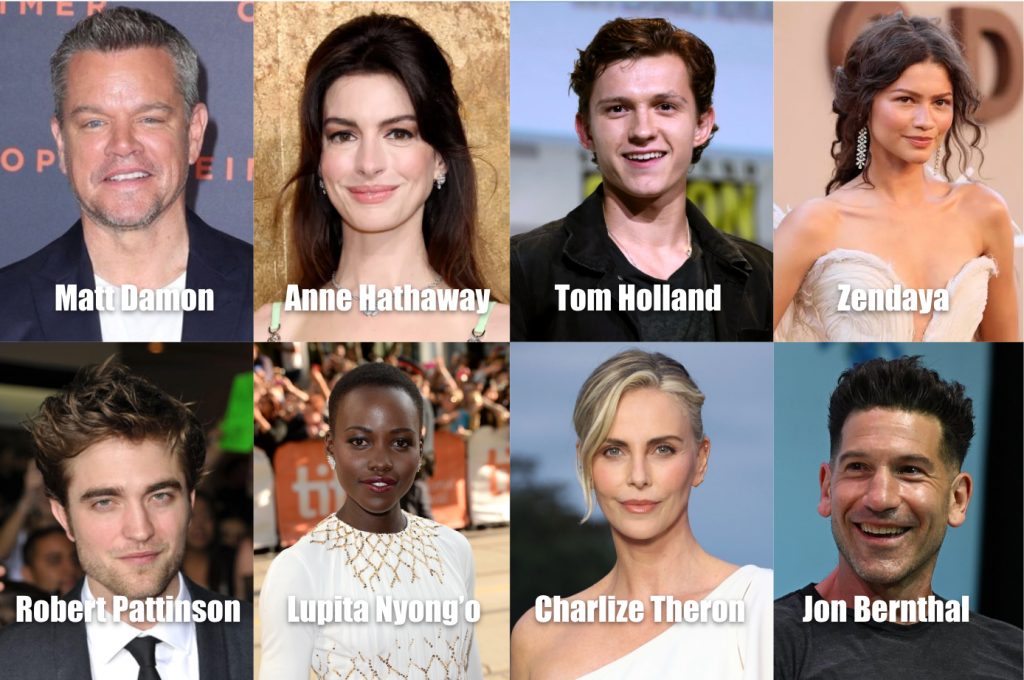
With this film, Nolan assembled one of the most impressive ensemble casts in years:
- Matt Damon
- Anne Hathaway
- Tom Holland
- Zendaya
- Robert Pattinson
- Lupita Nyong’o
- Charlize Theron
- Jon Bernthal
The cast also made this feel like must-see cinema.
51% of the audience said they came because “it’s a Christopher Nolan” movie.
That’s an incredibly rare level of brand equity for any filmmaker.

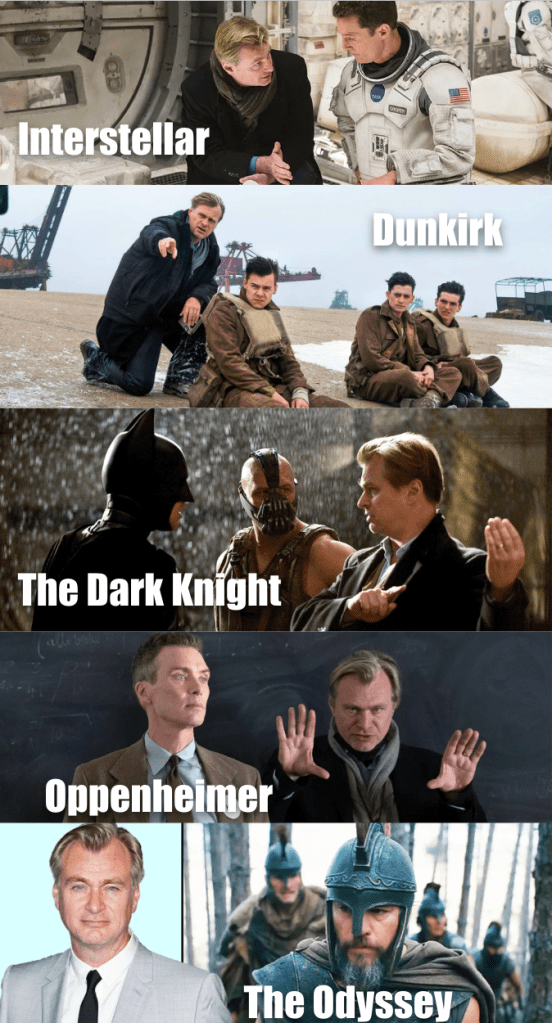
The film’s genre almost doesn’t even matter.
Nolan’s done:
- Sci-fi (Interstellar)
- War (Dunkirk)
- Superhero (The Dark Knight)
- Historical drama (Oppenheimer)
- Ancient mythology (The Odyssey)
If Nolan directs it, audiences will likely trust that it’ll be worth seeing in theaters.
3. PREMIUM THEATRICAL EXPERIENCES STILL MATTER
A huge part of the marketing centered around the fact that the ENTIRE film (so every scene) was shot with IMAX 70mm cameras.
That’s a first in Hollywood history! And that strategy clearly paid off.
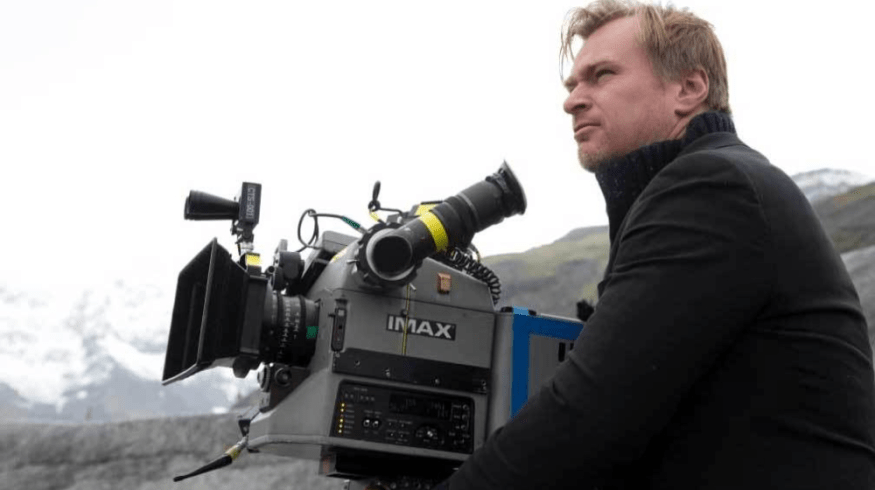

I’d wager the average moviegoer doesn’t really understand why IMAX 70mm is worth it. But what they do get is that the film’s visuals will be amazing – so amazing that you shouldn’t wait to see it on your small screen, but head to the theaters to see it in all its visual glory.
Only 41 theaters worldwide are capable of showing the film in IMAX 70mm, yet those locations accounted for roughly 5% of the film’s opening-night gross.

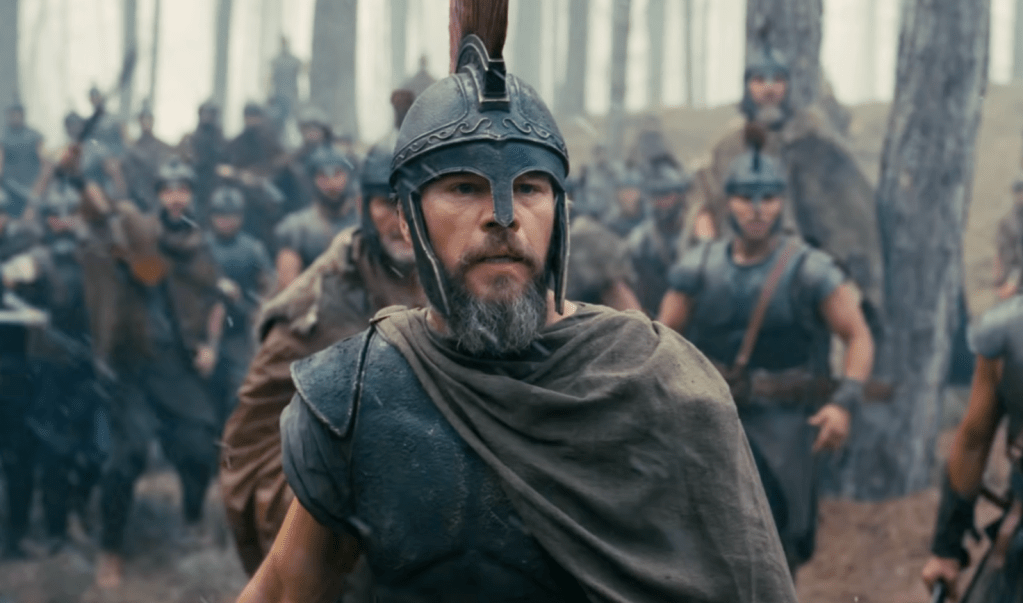
Some IMAX 70mm theaters (including Universal City in Los Angeles & Lincoln Square in New York), have been running the film 24 hours a day, with sold-out screenings at 2 a.m. and even 6 a.m.!! That’s wild!
Imagine watching The Odyssey, then exiting the theater right as the sun comes up.
Even more impressive, 58% of the film’s opening-night ticket sales came from Premium Large Format screens (IMAX, 70mm, Dolby Cinema, etc.).
For comparison, most major blockbusters typically generate around 40–45% of their opening-night business from premium formats.

But by shooting the entire film in IMAX 70mm, Nolan gave audiences something they simply couldn’t replicate at home.
To summarize, even an ancient story can be gripping, if told in the right way. And a Nolan movie now comes with such a stamp of approval, people will go see it because they know it will be good. That, and the knowledge that this spectacle will be even better on the big screen, all contributed into making The Odyssey not just another summer release, but one of the year’s biggest theatrical events.
So, just how far can it go?
WHAT’S NEXT? HOW FAR WILL THE ODYSSEY GO?

With outstanding reviews and word of mouth (95% critics score form Rotten Tomatoes, plus an A from CinemaScore), I’m expecting The Odyssey to have massive staying power for the rest of the summer.
The biggest obstacle ahead is Spider-Man: Brand New Day, arriving 7/31 in two weeks, with what should be a $200-250+ million opening.

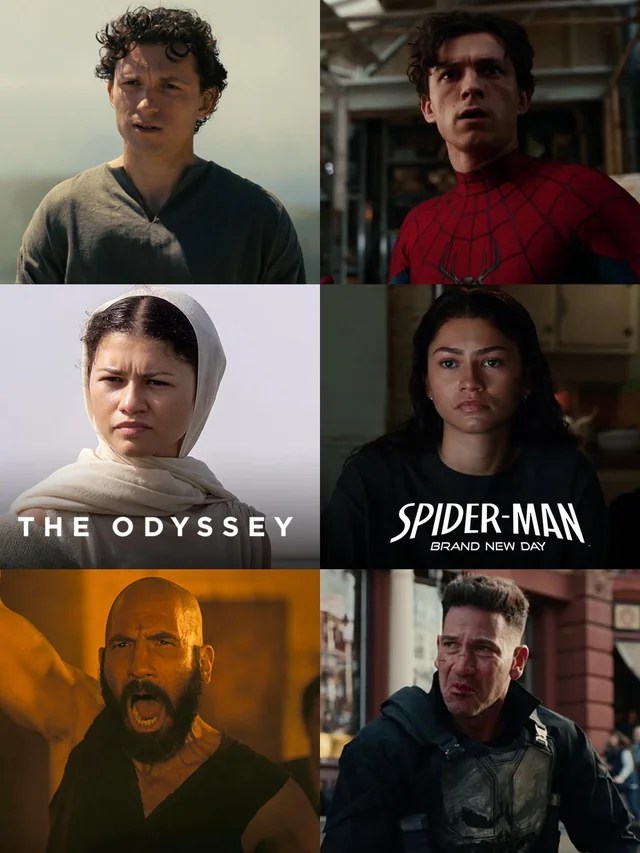
Ironically, Spider-Man may actually help The Odyssey.
Tom Holland, Zendaya, and Jon Bernthal all star prominently in both films, meaning every interview promoting one movie naturally reminds audiences about the other.
After Spider-Man, the release calendar becomes much lighter.
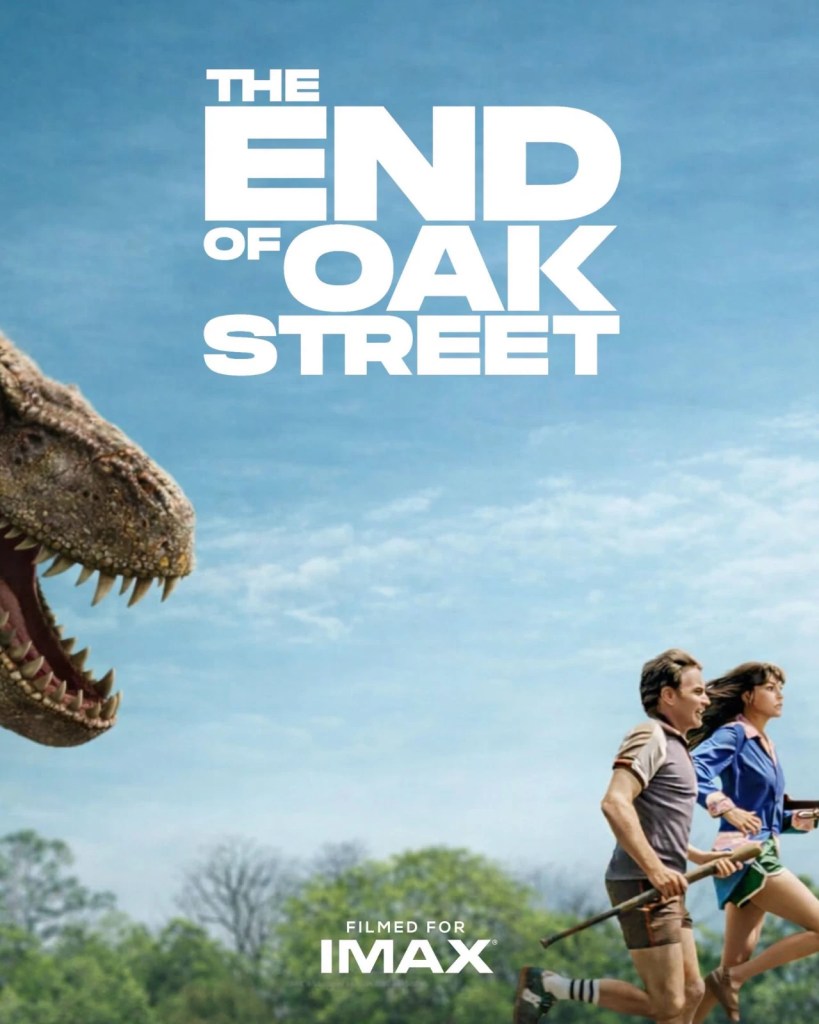
Outside of Warner Bros.’ smaller dinosaur thriller The End of Oak Street, there isn’t another major event film threatening its adult audience.
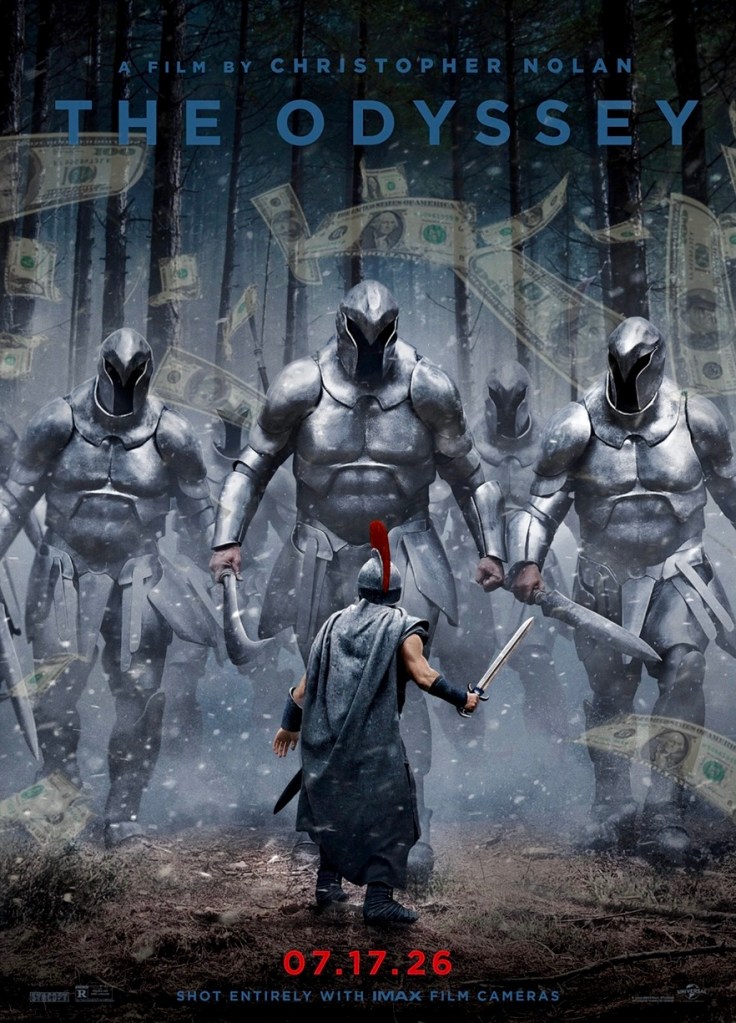
I’m expecting an ending total of $400-475+ million domestically, and $1-1.2+ Billion worldwide for The Odyssey once it’s done.
That would make The Odyssey one of the year’s biggest hits, as well as one of the highest-grossing R-rated films ever made.
FINAL TAKEAWAY
Christopher Nolan has reached a place very few filmmakers ever go.
He no longer needs superheroes, like Batman, or even established franchises.
He can take one of humanity’s oldest stories, spend hundreds of millions bringing it to life, and convince audiences it’s the biggest event movie of the summer.
That’s an extraordinary achievement.

And perhaps the biggest lesson from The Odyssey isn’t about mythology at all.
It’s about trust.
Audiences at this point trust Christopher Nolan enough to follow him anywhere. It’ll be exciting to see what story he tells next.
And that’s it for this weekend’s box office! Have you seen The Odyssey yet? If so, what did you think of it, and why do you think it’s doing so well at the box office?
-
Twisters Roars to $81 Million Opening Weekend: A Tornado of Cash, Crushing All Forecasts
Twisters massively over-performed this weekend, storming the box office with a phenomenal $81 million opening weekend— far surpassing the predicted $40-50 million.
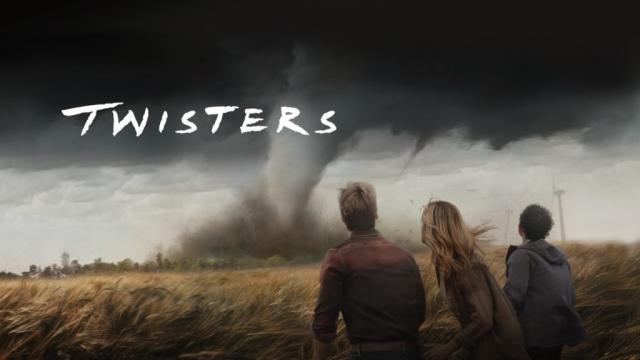
The momentum for this sequel kept building bigger throughout the weekend, just like a tornado in real life.
This is officially now the highest opening ever for a disaster film, passing The Day After Tomorrow’s $69 million debut.
The central theme around the box office this weekend is that: we have a robust and thriving theatrical marketplace. Every film in the top 5 is performing exceptionally well, and there are strong reasons to be optimistic about upcoming releases this year.But first, let’s dive into the 4 key reasons why Twisters is creating a perfect storm at the box office.

REASON #1: THE FIRST TWISTER WAS A MASSIVE HIT IN 1996, SHOWING THE VALUE OF NATURAL DISASTER FILMS

The first Twister film, from 1996, featured groundbreaking special effects at the time, and was released after years where there were almost NO BIG-BUDGET DISASTER MOVIES for years before it (remember The Towering Inferno in 1974?).
Twister (1996) was so successful that it even became the second highest grossing film of the year behind Independence Day, earning $241 million in the U.S., or about $650 million adjusted for inflation in today’s dollars.
And there’s been very few tornado-centric disaster films since 1996, aside from Into The Storm in 2014.
Sometimes, you just wanna see pretty people chase tornadoes, and that’s enough.

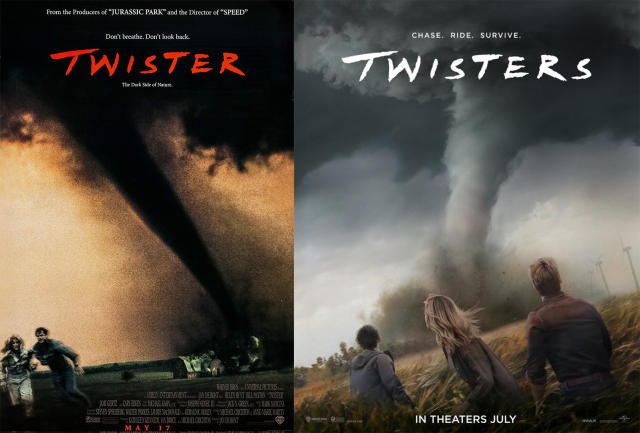
Both films (Twister and Twisters) target a genre (natural disasters) that hasn’t been given attention in decades. So after this success, expect to see a lot more natural disaster films from Hollywood.
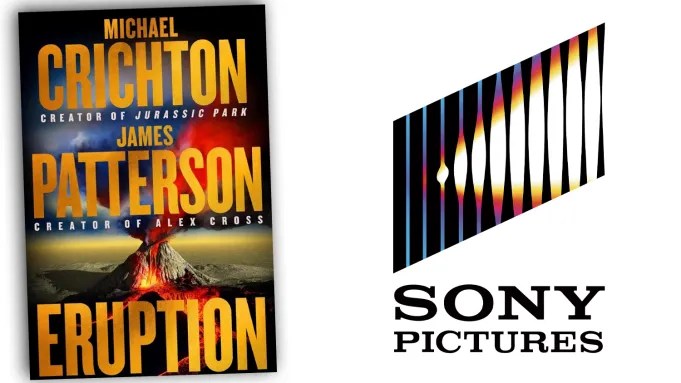
Look out for Michael Crichton’s blockbuster novel Eruption, which is getting adapted into a movie by Sony soon!
That could be a big hit, especially since it’ll be made by the directors of Free Solo.
REASON #2: THE FILM DELIVERS, AS A FUN CROWD-PLEASING DISASTER MOVIE SPECTACLE
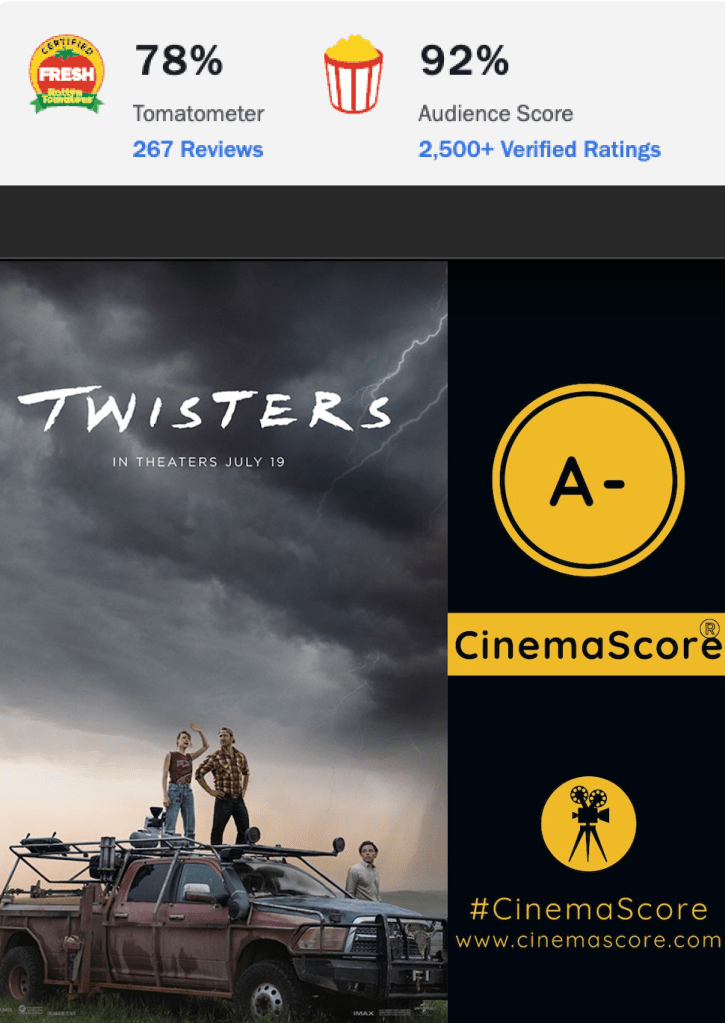
Twisters earned mostly solid reviews and buzz from critics (78% on Rotten Tomatoes), and is playing very well with general audiences, who are finding it fun (It earned an “A-“ grade from CinemaScore, plus a 92% verified audience score on Rotten Tomatoes).
Universal’s marketing department did a great job selling the film, attracting both coastal-elite cities and the Mid-West, such as in-theater advertisements such as the “Tornado Wind Tunnel Machines”, plus new hit country songs from the soundtrack, like “Ain’t No Love in Oklahoma.”

Pair the fun marketing campaign, with Oscar-nominated Minari filmmaker Lee Isaac Chung, who was the right guy to direct this material: He’s from Arkansas, knows these characters well, and it’s not shocking to see the flyover states thundering to cinemas.
Fun fact: the No. 1 theater in the country was the Regal Warren in Moore, OK (suburb of Oklahoma City). When does that ever happen?
I saw the film myself over the weekend, and it is a ton of fun, and works as the platonic ideal of a summer blockbuster (it has plenty of visceral thrills, cool sound design, plus a well-cast trio of leads who play the tornado chasers).
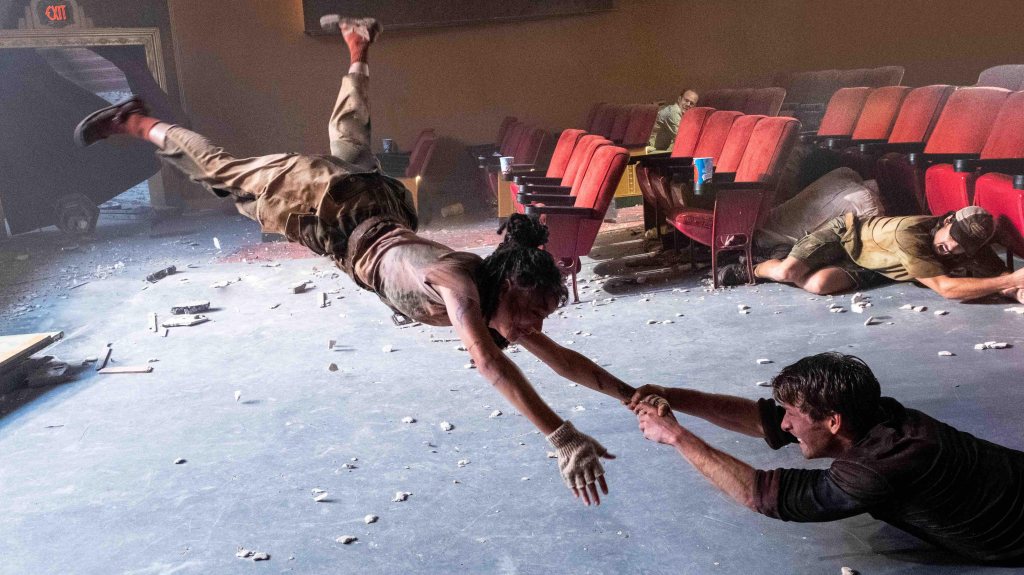
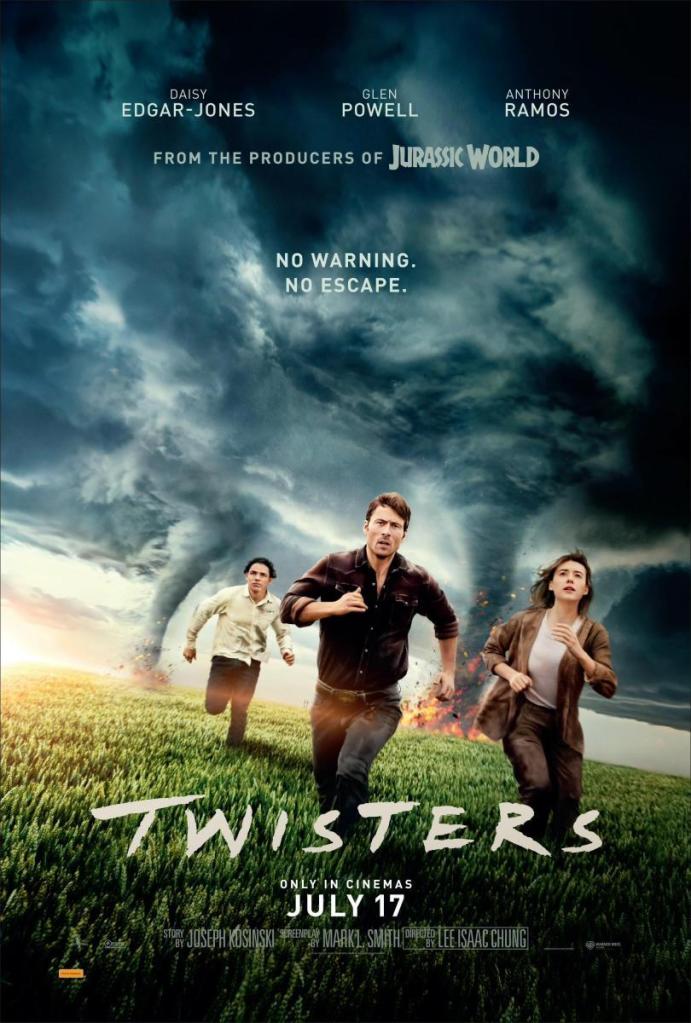
Twisters‘ success shows that there is still an appetite for exciting non-trashy disaster movies, as long as they star an appealing spectacle and cast.
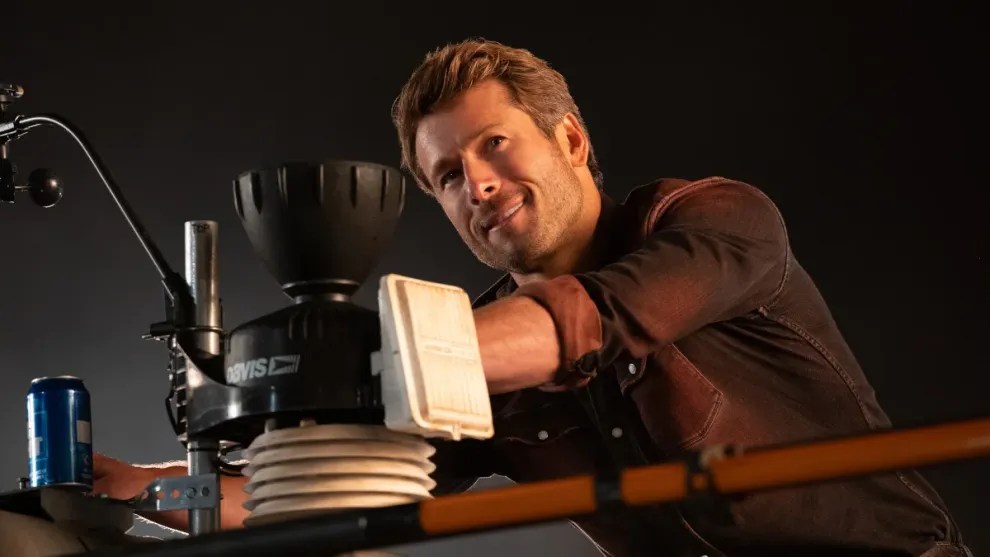
REASON #3: IS GLEN POWELL NOW A MOVIE STAR?
24% on Twisters’ audience said they bought a ticket because of Glen Powell: a very encouraging stat for a rising movie star.No, this doesn’t mean that Glen Powell can bring in audiences for every movie. It’s important to remember that Glen Powell provided added value because he first scored in the $215 million-grossing rom-com Anyone But You from last year.
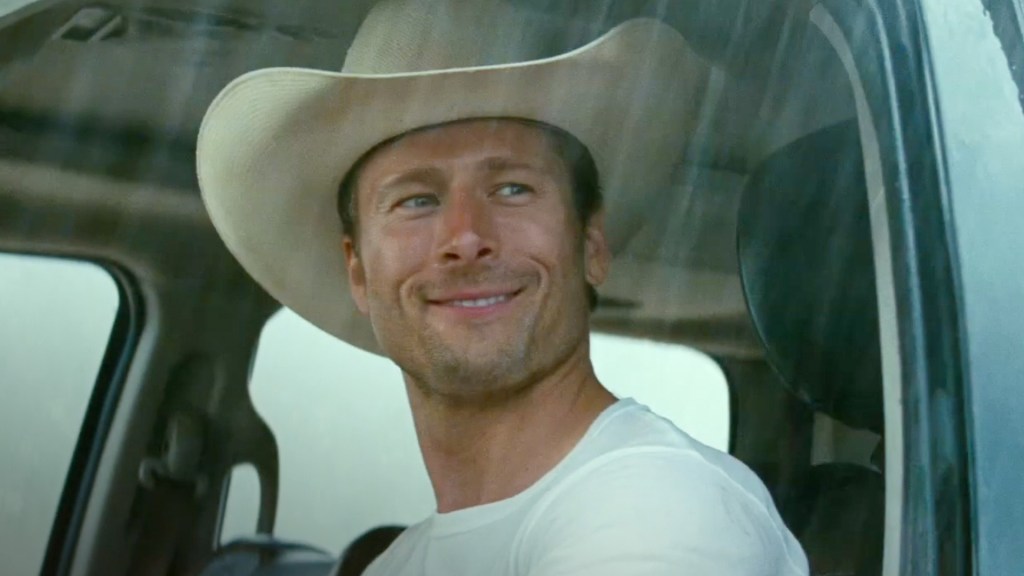
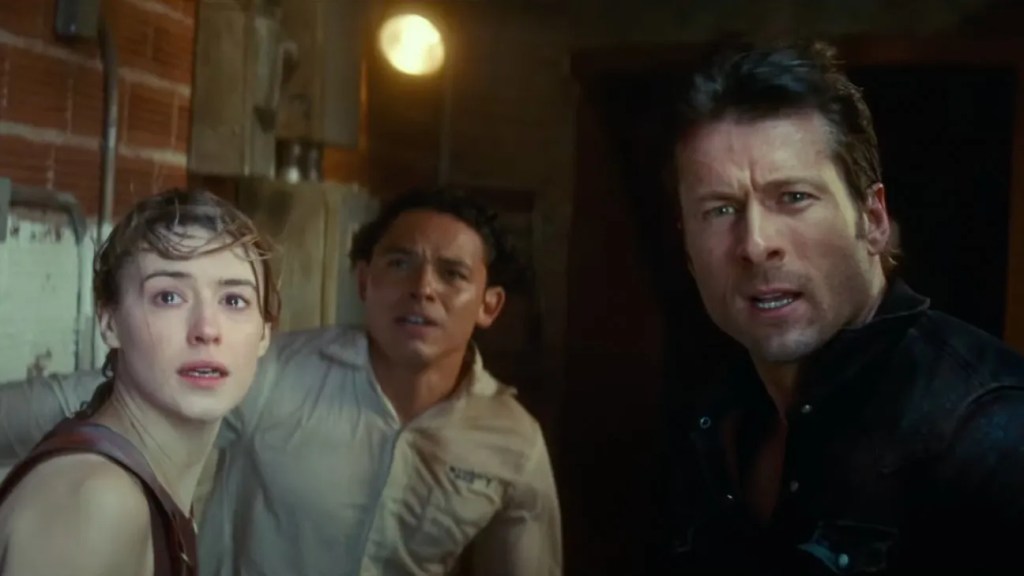
Glen Powell is likely an A-level added value element, who can increase interest for already appealing franchise films.
This is especially true when Glen Powell plays a seemingly cocky, super-charismatic hunk, who turns out to be an okay guy.
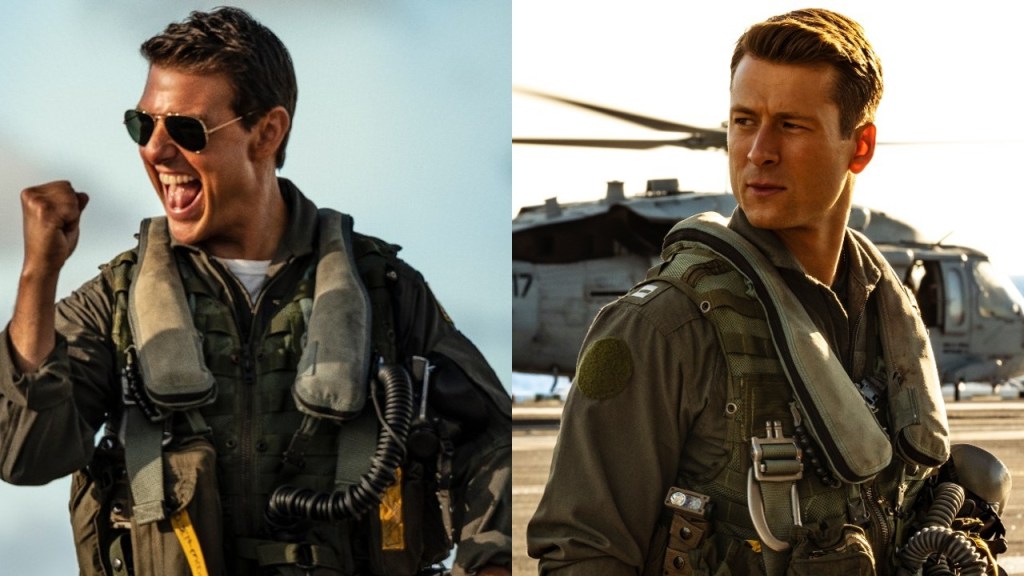
Here’s a suggestion: if Paramount does even up making a Top Gun 3, maybe they should make Glen Powell the main character next time instead of Miles Teller, with Tom Cruise as the mentor!
I also hope that the other stars of Twisters (Daisy Edger Jones from Where The Crawdads Sing, Anthony Ramos from In The Heights & Transformers 6), can build long lasting careers off the success of this.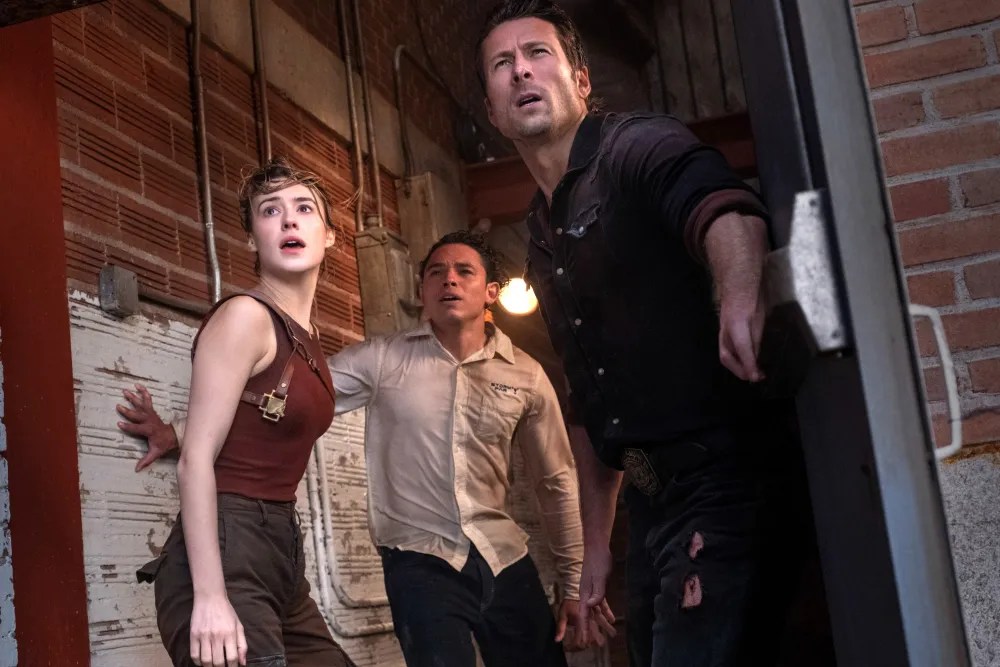
REASON #4: LACK OF PG-13 EVENT FILMS THIS SUMMER

Even though we’re already in the middle of July, Twisters is only just the third big PG-13 franchise tentpole of the summer.
Every other big film so far this summer has been either rated-R, or was a family/kids film.
Come what may, Kingdom of the Planet of the Apes was a post-apocalyptic sci-fi melodrama (albeit less violent and nihilistic than the previous films), while at the same time, A Quiet Place: Day One was still a sad apocalyptic horror movie.
This absence of crowd-pleasing PG-13 blockblusters so far this summer has created a vacuum, which Twisters has clearly filled.

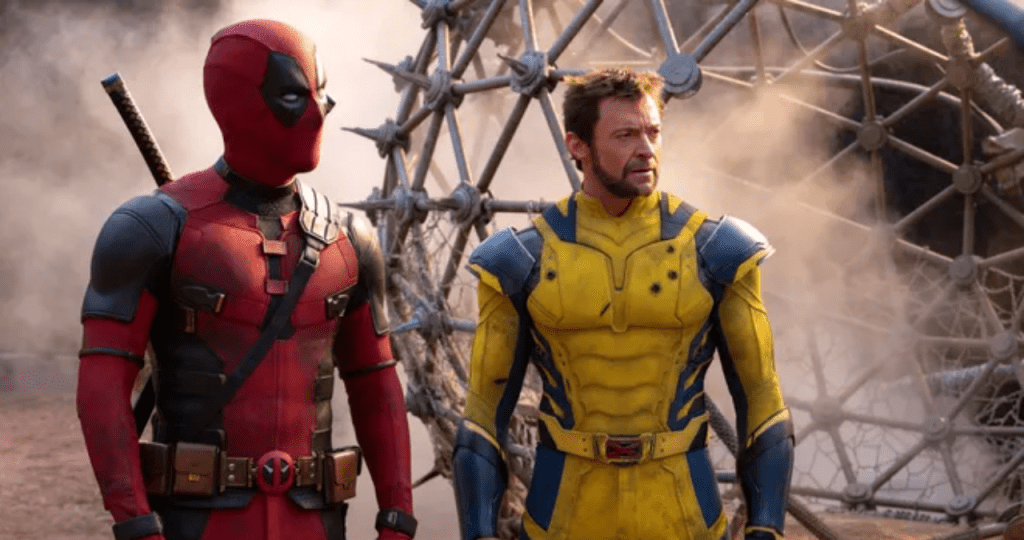
And Twisters may also be the LAST crowdpleaser of the summer too, aside from Deadpool & Wolverine.
Think about it: after Deadpool & Wolverine, what’s left to open this summer?
August only has thrillers/horror films (Trap, Cuckoo, Alien: Romulus, Blink Twice), or niche video-game or book adaptations (It Ends With Us, Borderlands, The Crow).
I’m not saying these films will perform badly, but they’re all smaller movies, and very few of them will have the wide crowd pleasing appeal of a film like Twisters.
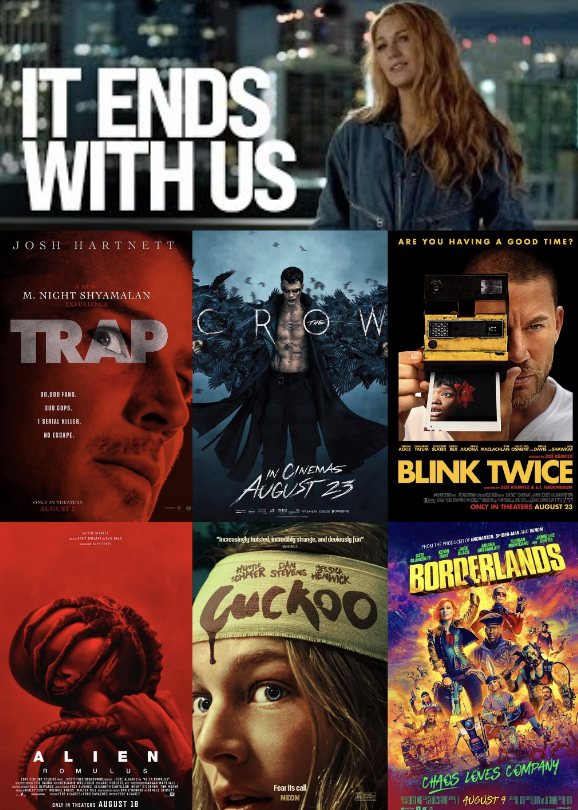

Twisters is arguably the only film left for families and general movie-goers to watch and enjoy for the rest of summer.
And considering the somewhat weak competition in August, I’m predicting a U.S. total of $240-275+ million for Twisters, for a total of $390-425+ million worldwide.
But wait, why am I only predicting under $150 million internationally for Twisters? Well….
AND YET… WHY IS TWISTERS BOMBING OVERSEAS?
The only reason to be pessimistic about Twisters (aside from Deadpool & Wolverine which will take away its IMAX/Dolby screens next weekend) is its admittedly dismal international box office.
After two weekends overseas, Twisters has only earned $44 million, which is….. not good. It’s likely going to earn less international box office than the first Twister back in 1996. So why aren’t overseas audiences interested?


I think it’s proof that you’re not gonna sell tickets in Asia and Europe with Great Plains, rodeos, tornados and country music.
Comparatively, a international blockbuster disaster-movie like 2012 had multiple set pieces in different parts of the world, plus its third act was set in China.
Twisters was always going to be a tough sell internationally.

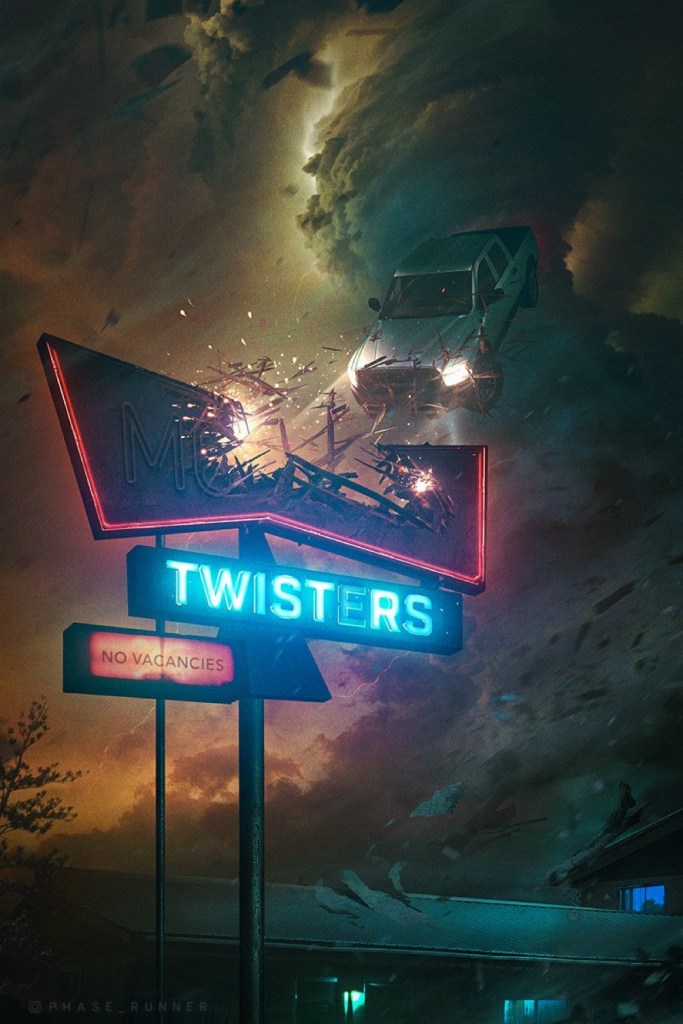
Maybe next time they should show the devastation of major U.S. landmarks, if they want to interest overseas audiences.
With a $155 million budget (and a potential total of $390-420+ million worldwide) Twisters will still definitely turn a profit in the long run, even if it’s underwhelming in places like Asia and Europe.
Universal has plenty to pump its chest about this weekend, as it will also own second place with Illumination’s Despicable Me 4, which earned $24 million (-44%) in its third weekend.
The film is mainly succeeding because of positive word-of-mouth from families, and currently stands at $259.5 million domestically and $575 million worldwide.
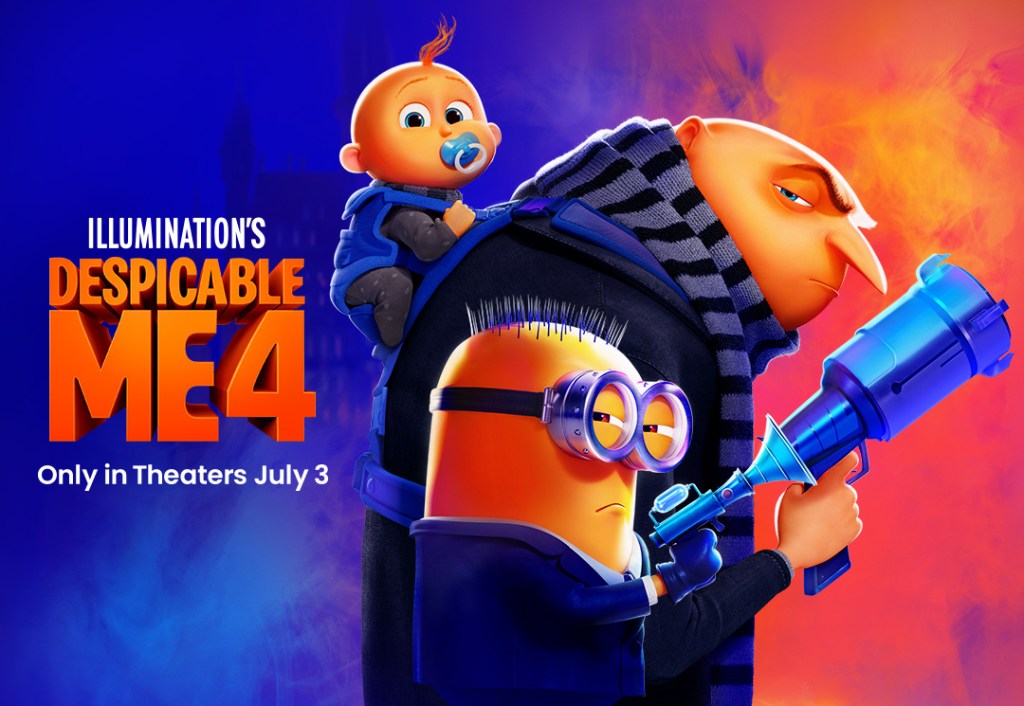
Despicable Me 4 is expected to end with about $350+ million domestically and $800+ million worldwide, on par with the previous films in the franchise.
Despite this being the sixth film, this franchise is not showing any signs of slowing down commercially. Bring on Minions 3 in 2027!
Disney/Pixar’s Inside Out 2 earned $13 million in its sixth weekend (-36% from last weekend) and a running total of $596 million domestically. With these spectacular legs, I’m expecting an ending total of $650+ domestically.
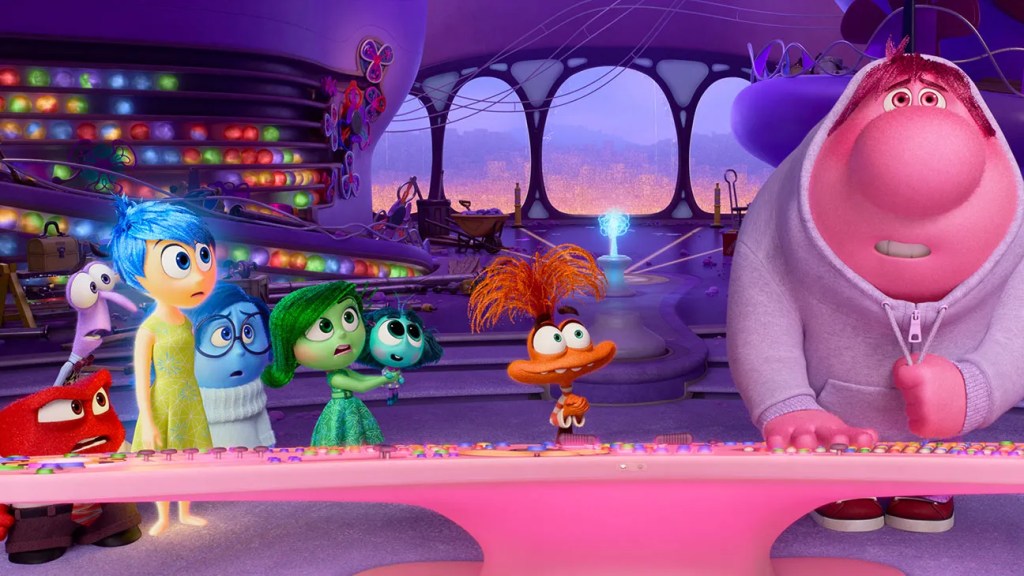
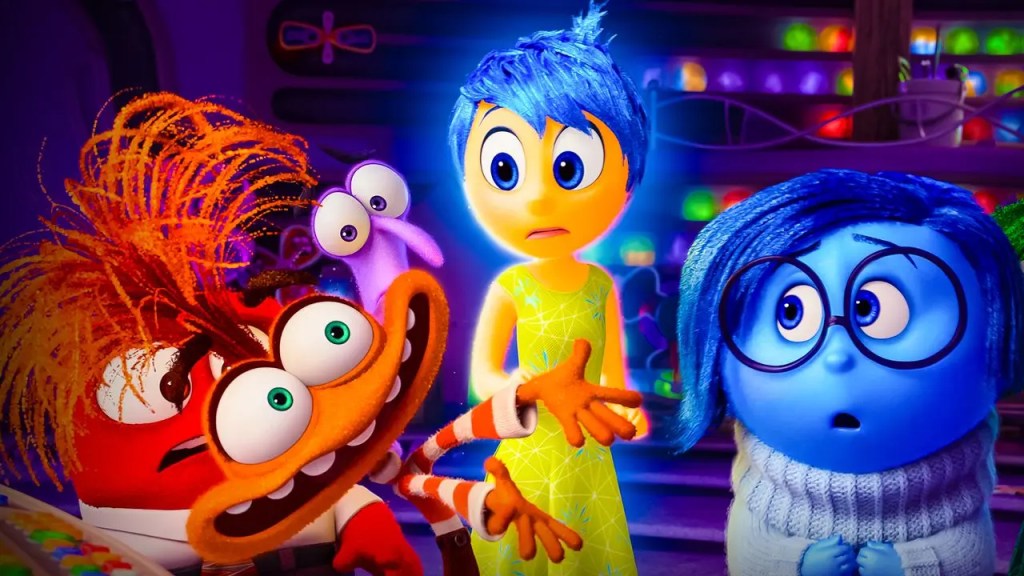
Overseas Inside Out 2 is performing even better ($847 million internationally so far), and is now expected to potentially top $1 BILLION alone in international box office.
If it tops $1.66+ billion worldwide, it would then pass The Lion King (2019) remake as the highest grossing animated film ever.
No wonder Disney is moving forward with Moana 2 and Zootopia 2 this year and next!
Disney sequels mean big box office.


Pixar can only hope that their next two ORIGINAL films (Elio in 2025 and another in 2026) will earn at least a THIRD as much as Inside Out 2 will earn at the worldwide box office.
Neon’s Longlegs had a second weekend of another $12 million (-47% from its opening weekend), a phenomenal drop for a horror title, especially considering the mixed word-of-mouth (it earned a “C+” grade from CinemaScore, a “meh” reaction for a horror film).
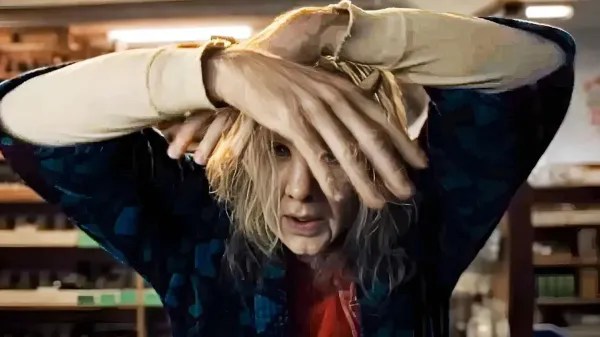
Credit this drop to the white-hot buzz, and conversation around Nicholas Cages terrifying performance. Longlegs has a $46 million running total so far, already the highest grossing Neon release EVER.With these “long-legs” at the box office, the film is expected to now end between $60-70 million. This is a spectacular blow-out performance for a serial killer drama, especially since it only cost less then $5 million to make.
Fifth place belongs to Paramount’s A Quiet Place: Day One, which earned another $6.3 million in its fourth weekend (-44% from last weekend) for a running total of $128 million.
A Quiet Place: Day One is expected to finish with about $145-150 million in the U.S. and $270-280 million worldwide. The film only cost $68 million too, so this is a smashing success for everyone involved.
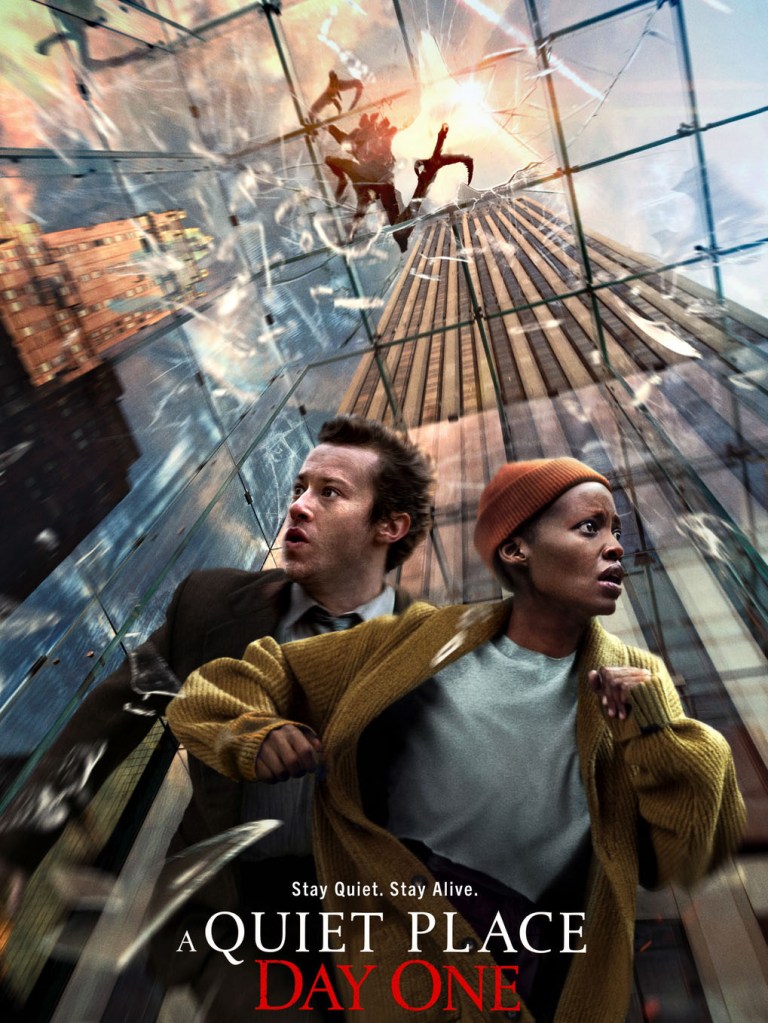
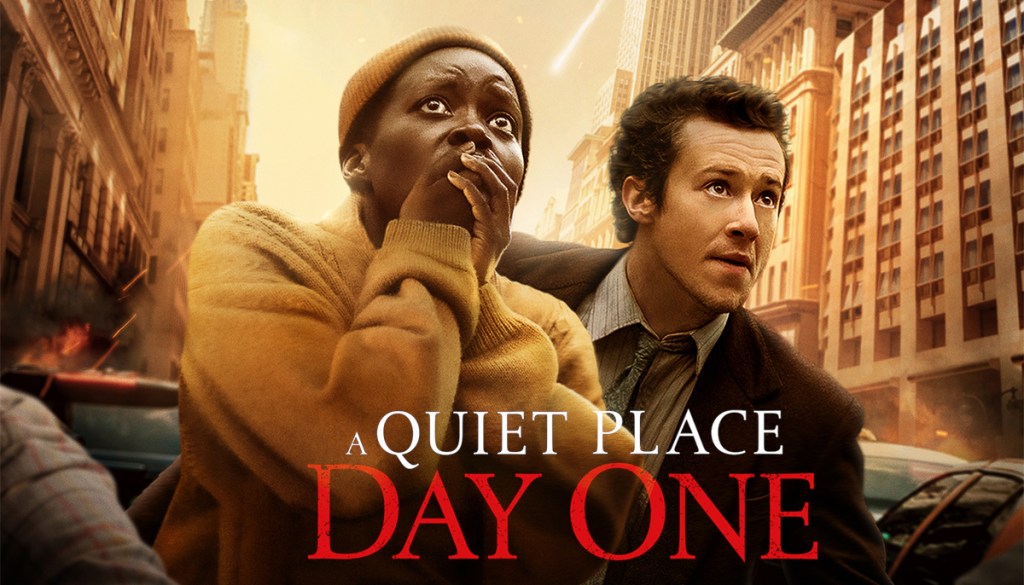
A Quiet Place: Day One’s performance is on par with A Quiet Place: Part II (also $160 million domestically and $290 worldwide), which makes this even more impressive considering this is a prequel, with none of the original cast.
My vote for the next film would be: show us how this apocalypse went down in Europe!
Looking to next weekend, while Twisters’ success serves as a great palette cleanser, Deadpool & Wolverine is set to conquer the world next weekend.
Despite the recent Marvel superhero fatigue, the hype is truly real with this, as Marvel fans do really want to see how Deadpool, as well as the X-Men, will be introduced into the universe.
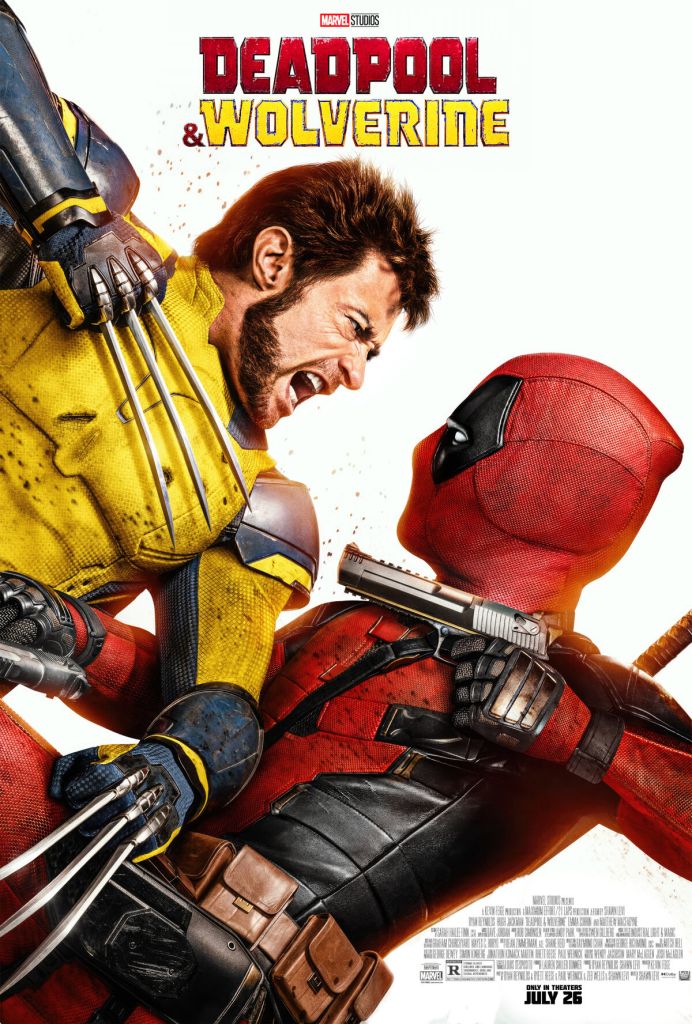
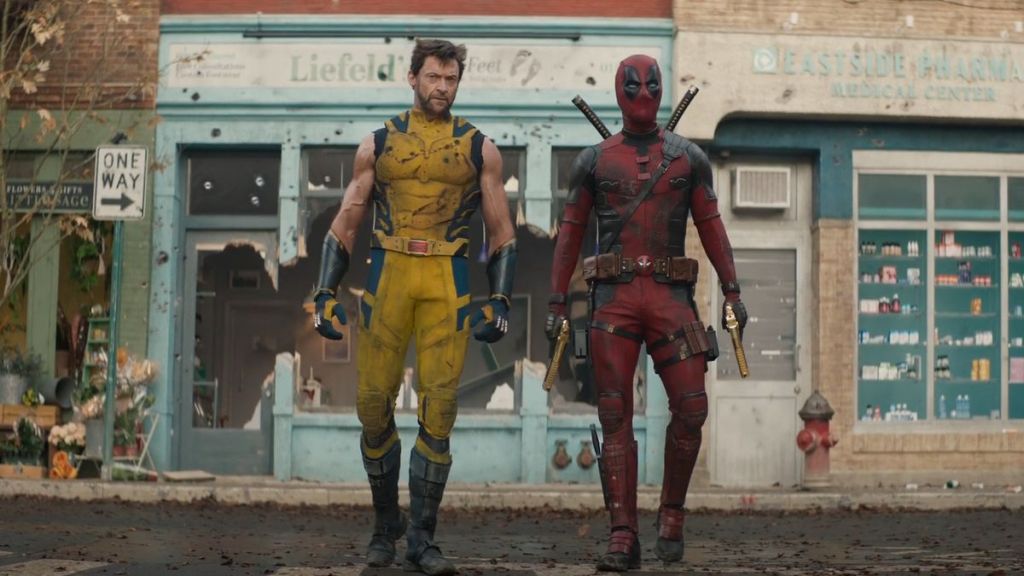
We’ll see how front-loaded Deadpool & Wolverine plays with fans. The film is Rated-R, like the previous two Deadpool films, and there’s also very few action-comedy films playing in theaters right now.
Deadpool & Wolverine is expected to open with $175+ million, but personally I’m predicting an opening over $200+ million. Hell, given how awesome ticket pre-sales have been, maybe even $225+ million!
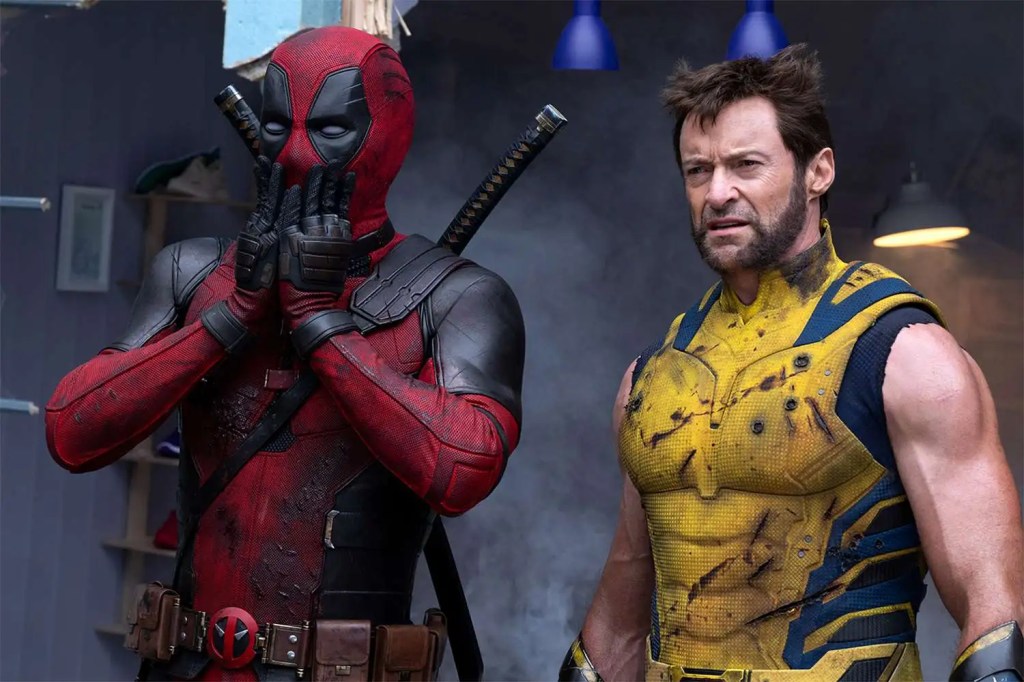
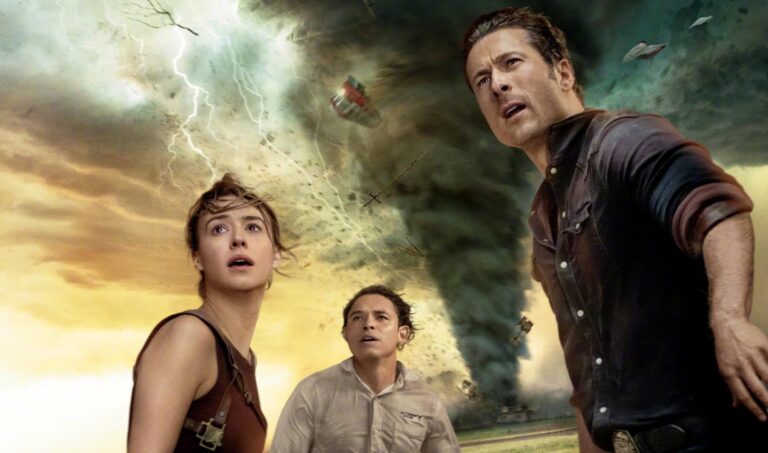
With Twisters though, even if it only drops 55-60% due to Deadpool, I think the odds are strong for both films to have great runs throughout all of August.
And that’s the weekend box office! I’m looking forward to writing again in this column next weekend when Deadpool & Wolverine opens, and as the rest of the August films begin to open.
-
Inside Out 2 Shatters Records with $154 Million Opening, Reclaiming Disney and Pixar’s Box Office Dominance

Disney/Pixar’s Inside Out 2 shattered expectations with a colossal $154 million opening in the U.S. and a jaw-dropping $300 million globally.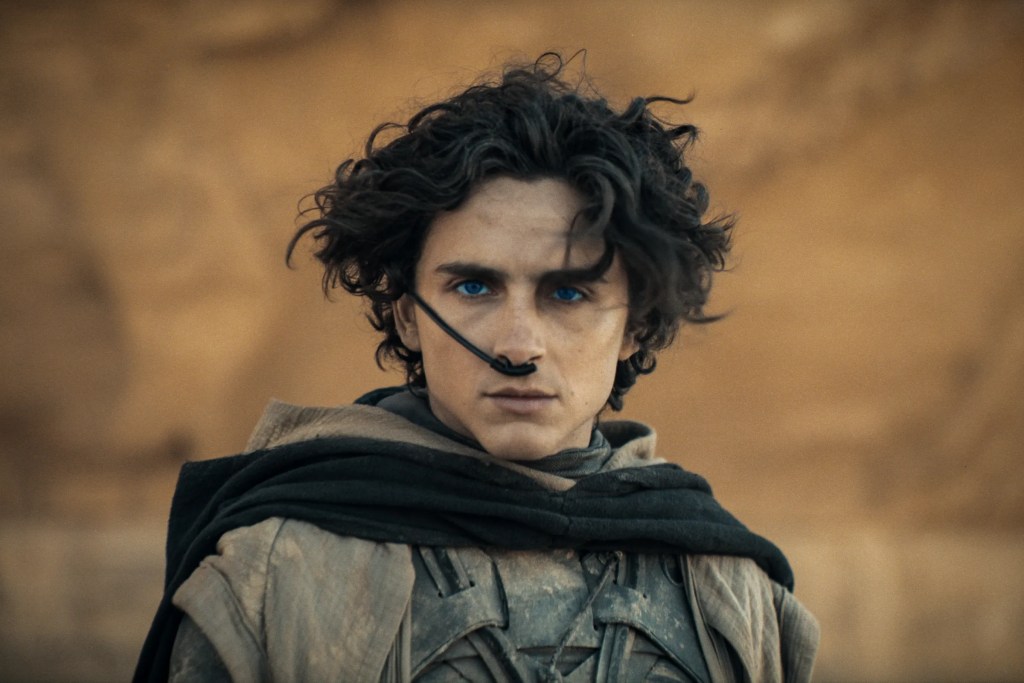
This opening number is so massive, that it’s just silly. Not only is this almost DOUBLE what the industry was tracking pre-release (this was only estimated to open with $85 million), but it’s also almost DOUBLE Dune 2’s opening weekend ($82 million), the previous highest opening of the year.
The strength of this sequel shows the unwavering appeal of cherished Pixar franchises, or at least their Part-2 entries (ala Toy Story 2, Finding Nemo 2 and Incredibles 2).
Here’s a breakdown of why Inside Out 2 triumphed so spectacularly at the box office.
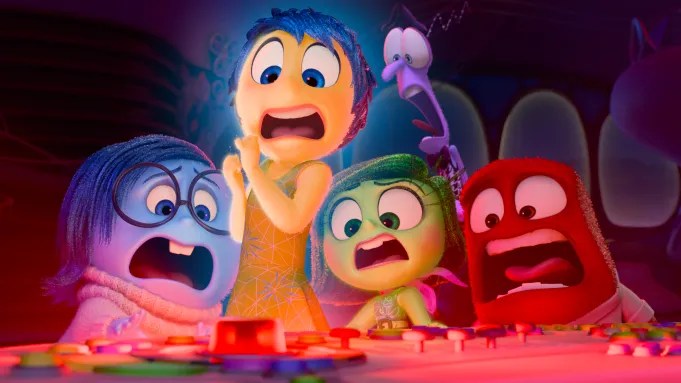
REASON #1: A PROVEN FRANCHISE, WITH MULTI GENERATIONAL APPEAL
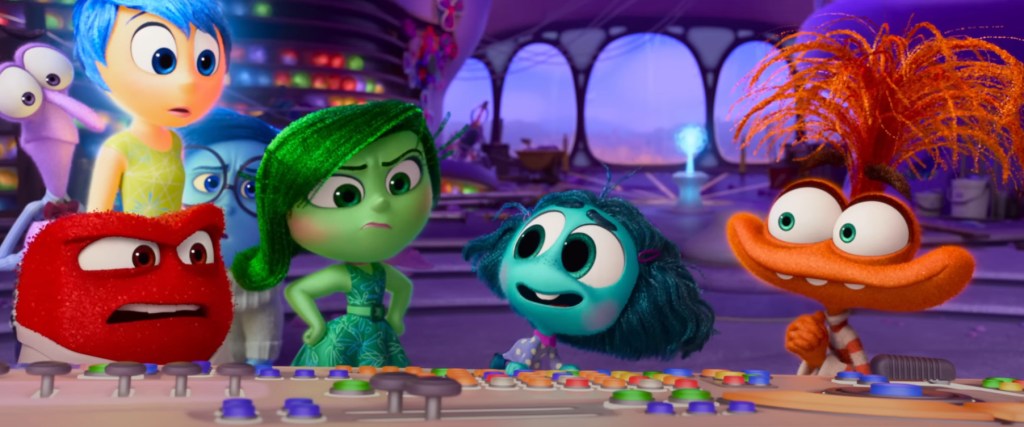
Inside Out 2 taps into a beloved Pixar legacy that still resonates across generations. Younger moviegoers clearly viewed Inside Out, released in June of 2015, as a Disney-specific generational touchtone.
It’s pretty similar to how the earlier generation viewed Finding Nemo in 2003, or how the generation before that viewed The Lion King or Toy Story in 1994/1995.

Each of these classic animated films produced generations upon generations of fans who were genuinely interested in seeing a sequel or continuation of the story.
And that’s reflected in how OLDER Inside Out 2’s audience is now, with Inside Out 2’s audience now consisting of 46% families, compared to 71% for the first film.

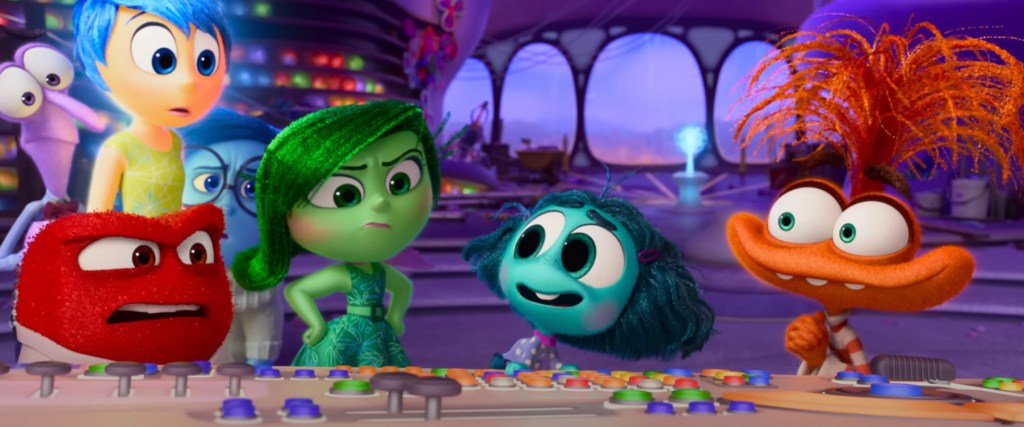
This opening also shows: Audiences say time and time again they want original films, yet they’re resistant to try anything new.
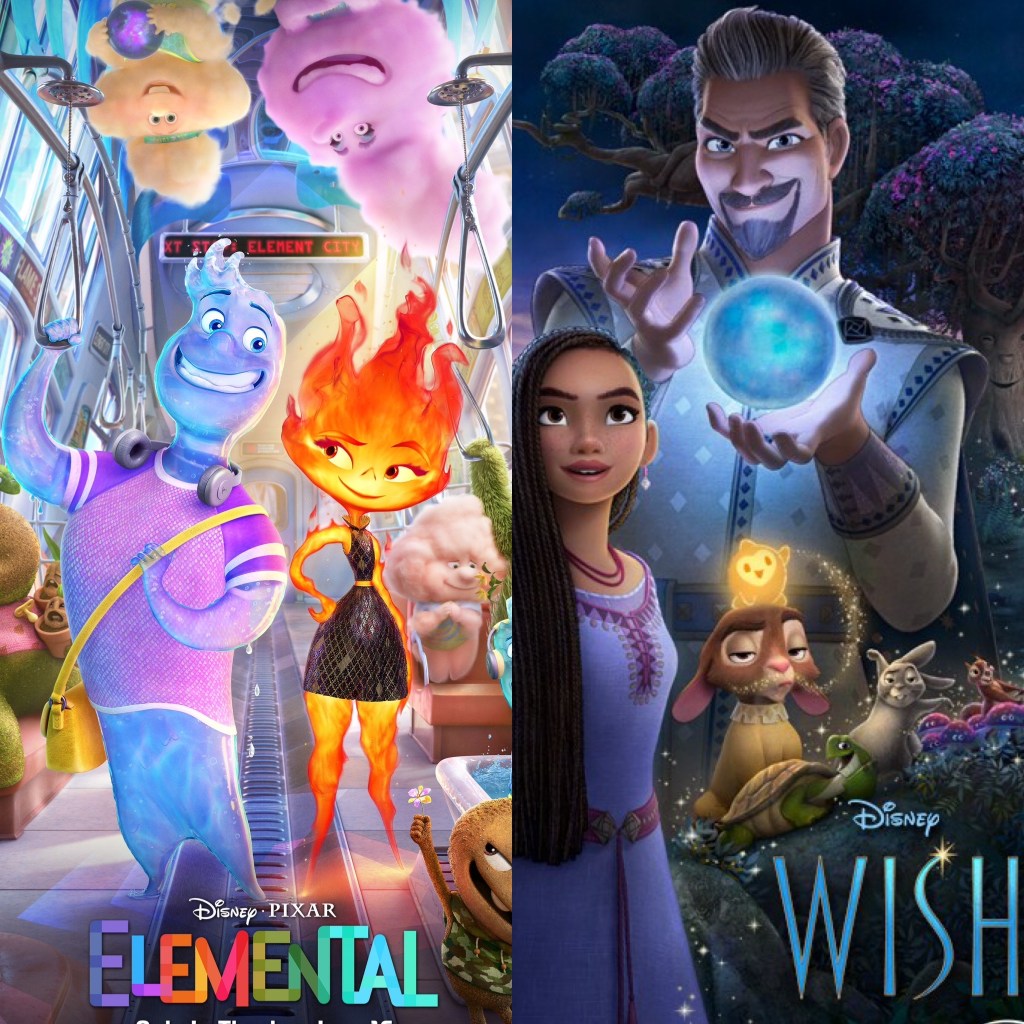
In just a single weekend, Inside Out 2 passed the ENTIRE domestic gross of Pixar’s own Elemental, as well as the WORLDWIDE total of Disney’s Wish, both from last year.
Were they a compelling story? Did they seem generic? Maybe they just didn’t offer enough to go to the theaters vs. the lure of a tried and true concept.
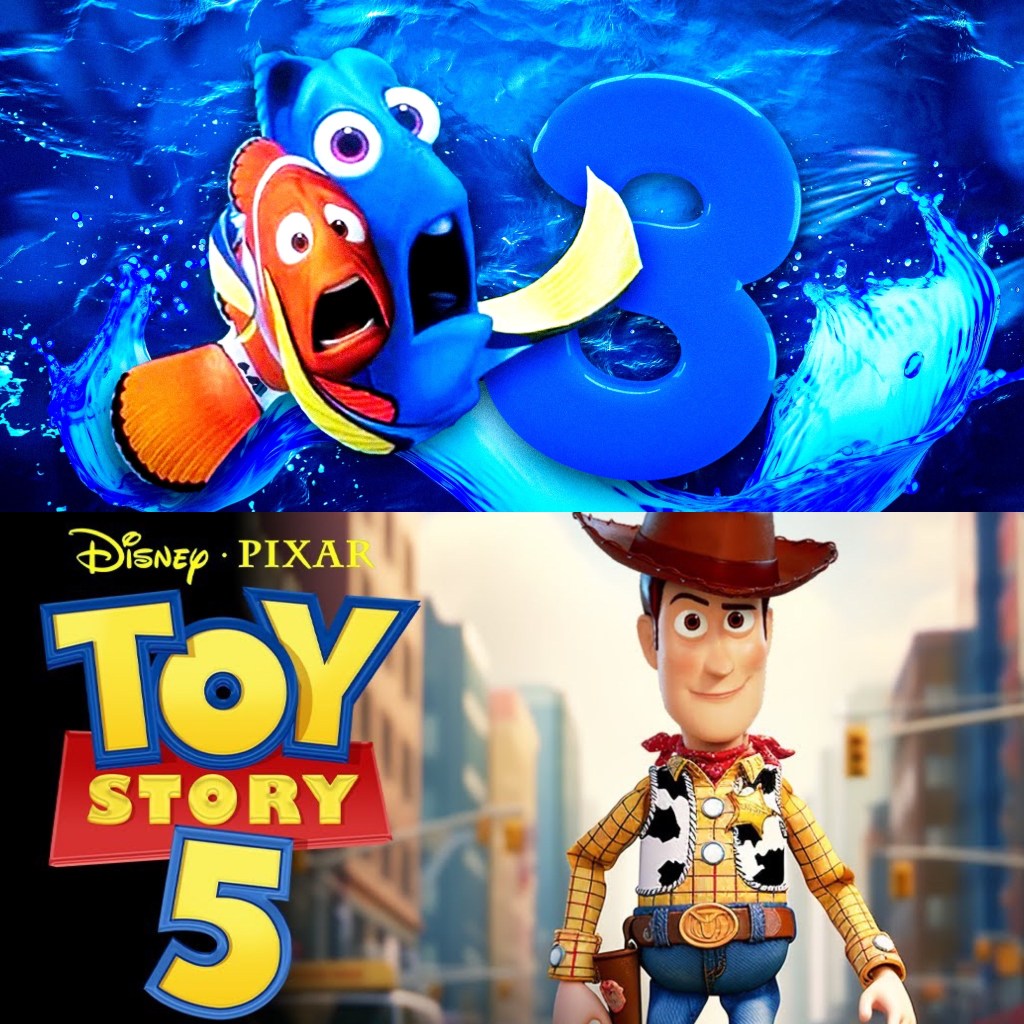
Hopefully this doesn’t teach the wrong lessons to Bob Iger, Pete Doctor and the other Disney Animation executives, in producing the types of unnecessary franchise sequels which audiences likely won’t want to see. (Looking at you, Finding Nemo 3 [will they swim to the Atlantic now?] and Toy Story 5….[does Woody get Bo pregnant?])
REASON #2: UNTAPPED AUDIENCE DEMAND (Women and Gen Z and BIPOC)
Perhaps some part of the success of Inside Out 2 is because there’s nothing out there for certain audience segments (e.g. Women, Gen Z and BIPOC).
For instance, 63% of the audience for Inside Out 2 were women (vs. 56% for the last movie), which speaks to the significant lack of options for female moviegoers, at least since Barbie last July (save for smaller successes like Anyone But You, Mean Girls and Challengers).
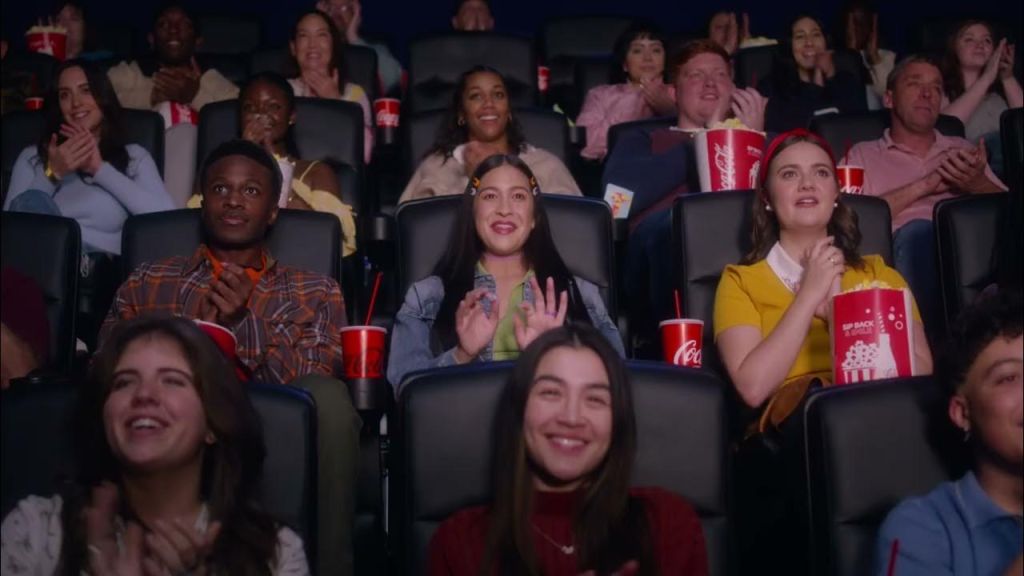

Also, 65% of Inside Out 2‘s audience is under the age of 25.
This is another case, like Minions: The Rise of Gru and Five Nights At Freddy’s, of Gen Z and younger moviegoers responding to getting a franchise for them, instead of getting their parents/older generations’ hand-me-downs. I’m looking at you Indiana Jones 5 and The Flash in summer 2023.
Furthermore, Inside Out 2’s broad multicultural appeal (Latino and Hispanic audiences represented 36% of moviegoers (19% of the population), followed by 33% Caucasian, 14% Black, 11% Asian, and 6% Native American/ other) underscores the film’s universal themes.
It will be interesting to see if Disney/Pixar can repeat this broad demographic appeal for their upcoming films.

HOW MUCH MONEY COULD INSIDE OUT 2 EVENTUALLY END WITH?
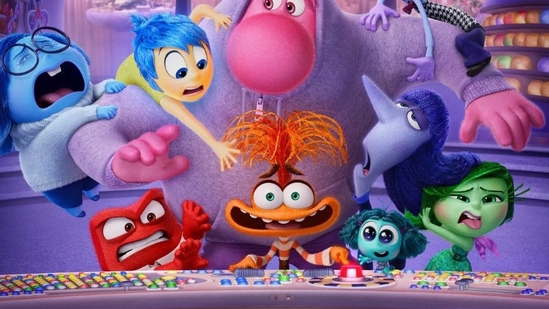
This opening is a phenomenal start, and with a 100-day theatrical window, Inside Out 2 should have legs throughout the rest of the summer.
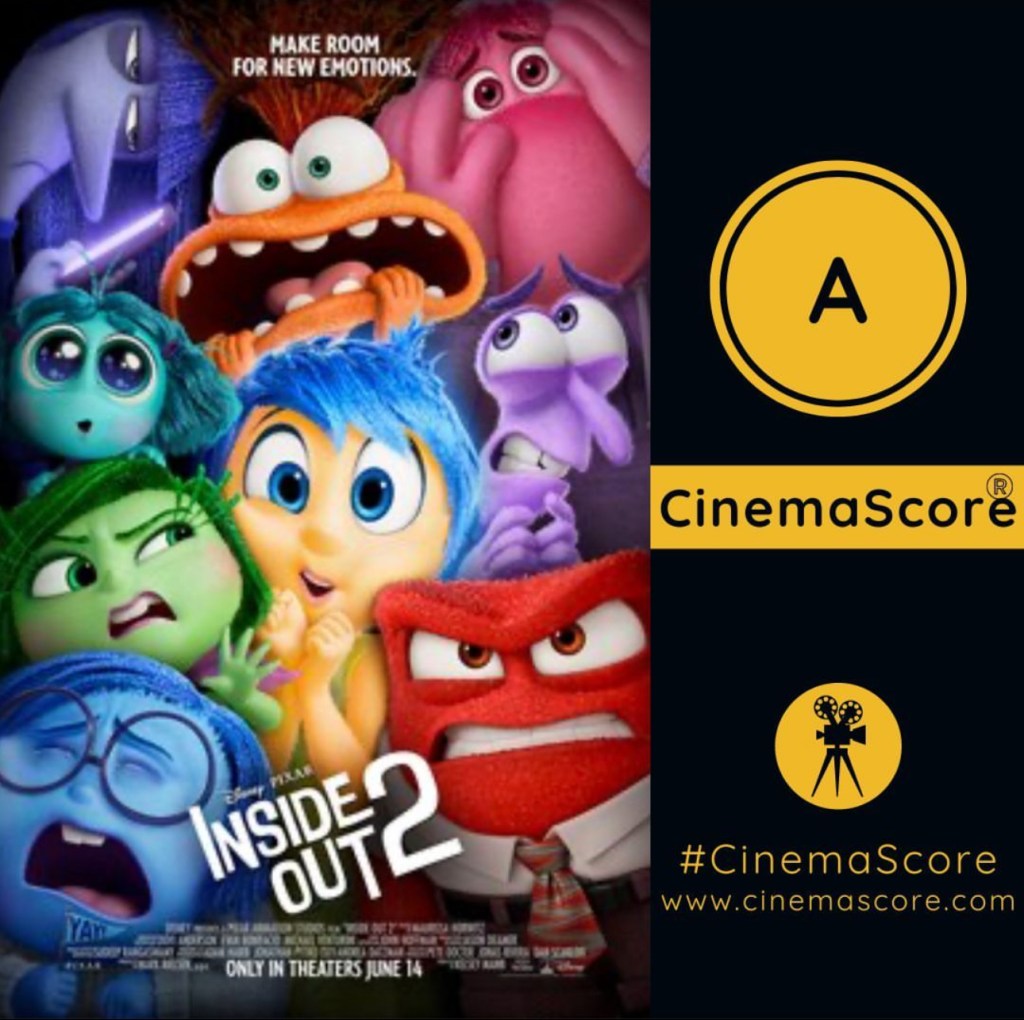
With positive reviews (92% on Rotten Tomatoes) and strong word of mouth (including an A from CinemaScore), I would expect Inside Out 2 (which has a $200 million budget) to leg out to $650-700 million in the U.S., and likely $1.5+ billion worldwide. Fantastic!
Depending on how well Deadpool does, this might make Inside Out 2 the biggest movie of the year.
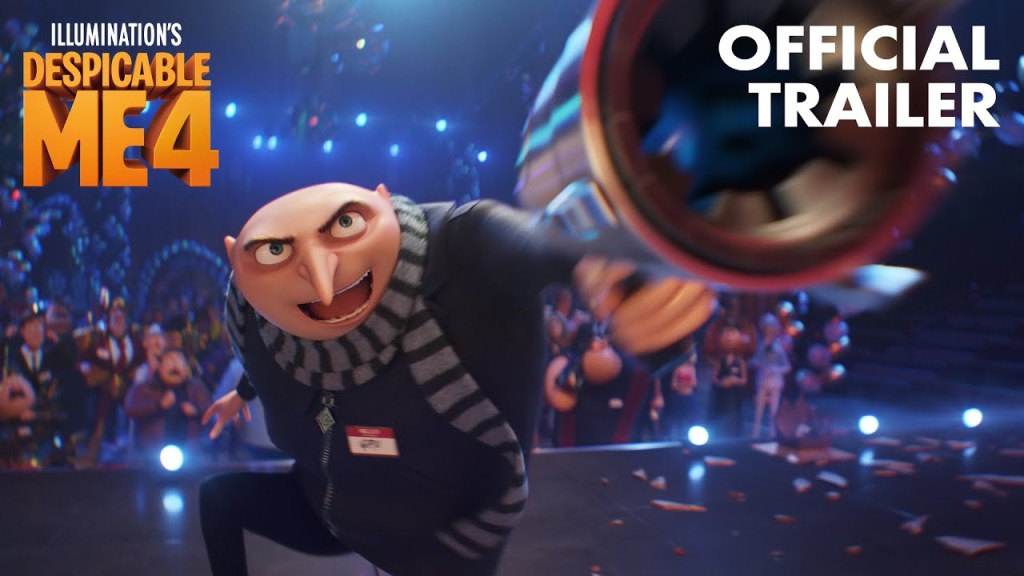
The only other family-friendly competition this summer is Despicable Me 4, which is expected to open two-and-a-half weeks from now with $100+ million over its 5-day weekend.
Despicable Me 4 shouldn’t be a problem, as historically Pixar and Illumination films have been able to coexist for years now (Inside Out and Minions in summer 2015, Finding Dory and The Secret Life Of Pets in Summer 2016, The Secret Life of Pets 2 and Toy Story 4 in 2019).
After all, Pixar movies tend to play to older adults, while Illumination films play more to parents with much younger kids.
WHAT THIS SUCCESS MEANS FOR DISNEY ANIMATION’S FUTURE ??!??

Inside Out 2‘s performance challenges the prevailing narrative that Disney+ has cannibalized theater attendance for Pixar films, suggesting instead that compelling content can still draw massive crowds.
This weekend’s success story also highlights the continuing trend where audiences prefer franchise films over new IPs, a factor studios will have to consider in future content development.
We’ll have to see how Pixar’s next two films, (see below) which are original, do before their next sequel (Toy Story 5) comes out. The world clearly wanted Inside Out 2, but do they REALLY want Toy Story 5?

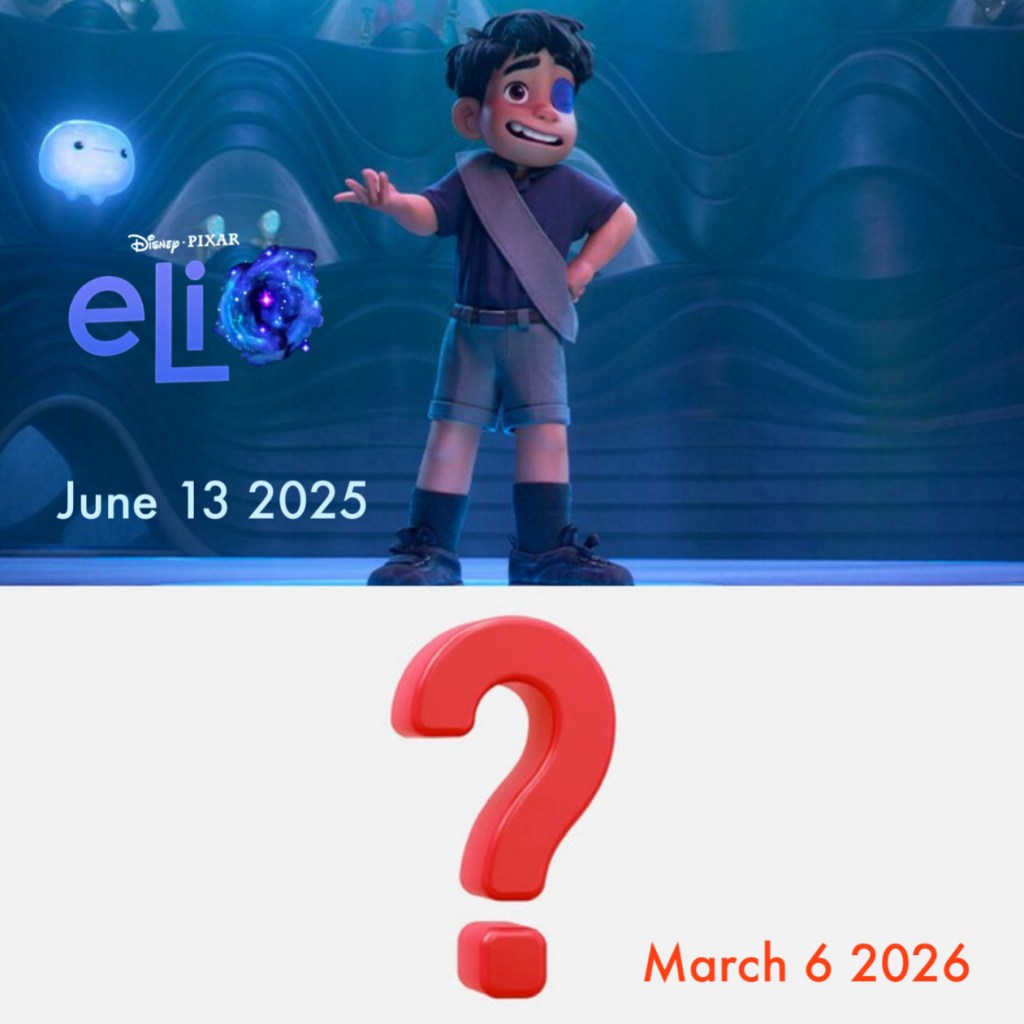
Pixar’s next original film, Elio, is currently going head to head with the How to Train Your Dragon live action remake next June. And Pixar will have ANOTHER original film set for March 2026, the same time as WB’s animated Cat in the Hat film.
I wouldn’t be surprised if Pixar’s next 2 original films struggle comparatively out of the gate at the box office.
However, I would chalk in Disney’s next animated film Moana 2, which comes out this Thanksgiving, as another potentially huge blockbuster. The first Moana from 2016 has consistently earned spectacular streaming numbers since its release on Disney+, so I’m expecting this sequel to be a big hit.
(Again – Audience’s love comforting IP – until they don’t).


The only reason I would even slightly be bearish is the fact that Moana 2 began its life as a 3 episode Disney+ show, so the question remains how this new story works as a film. But if it still plays well with audiences, that’s all irrelevant.
At the end of the day, Disney might end up with 4 of the biggest movies of the year with Inside Out 2, Deadpool & Wolverine, Moana 2 and Mufasa: The Lion King. Wow!!
Makes me wish I bought Disney stock a year ago.
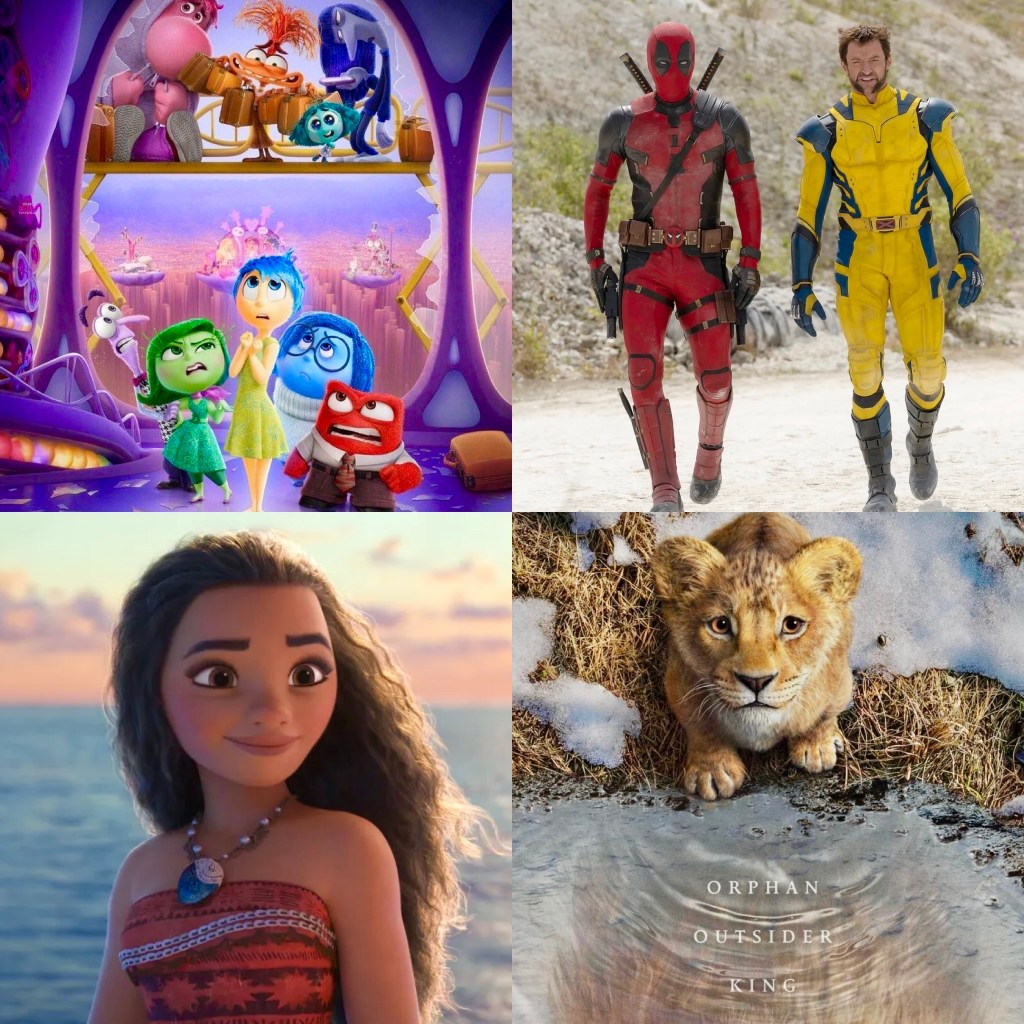
HOW OTHER MOVIES ARE PERFORMING AT THE BOX OFFICE: BAD BOYS: RIDE OR DIE HOLDS STRONG
In other good news, the overall weekend box office will tower over the same weekend in 2023 and 2019, with a cumulative total of $217 million over Fathers Day weekend, the first $200+ million weekend since Barbenheimer happened last July.
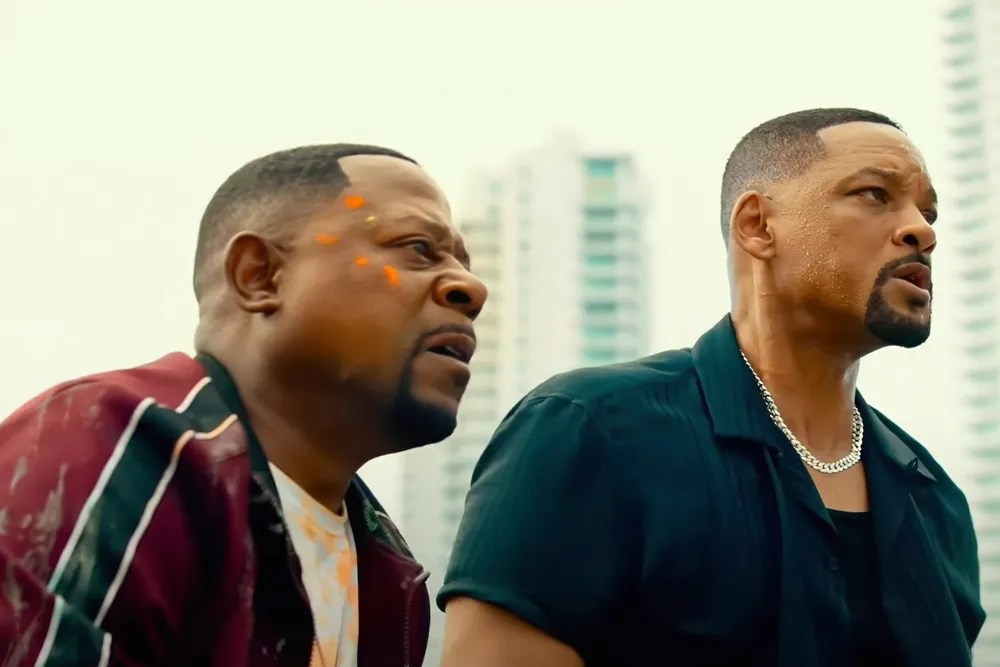
Yes, 71% of the weekend box office this weekend is thanks to Inside Out 2, but Sony’s Bad Boys: Ride or Die also performed great and is showing some very strong legs.
Bad Boys 4 earned another $33.8 million over Fathers Day weekend (-40% from last weekend), a very good drop for an R-rated action movie. For context, Bad Boys 3 fell -46% in its second weekend.
It helps that Bad Boys 4 is the only action-comedy playing in theaters right now, until Twisters and Deadpool & Wolverine in late July.
With this strong pace ($113 million after just 10 days) and great word of mouth, the film is now on track to hit $200+ million domestically and $375-400+ million worldwide, a huge hit on a $100 million budget.
An obvious lesson here: studios should start calling Will Smith again for new movies!
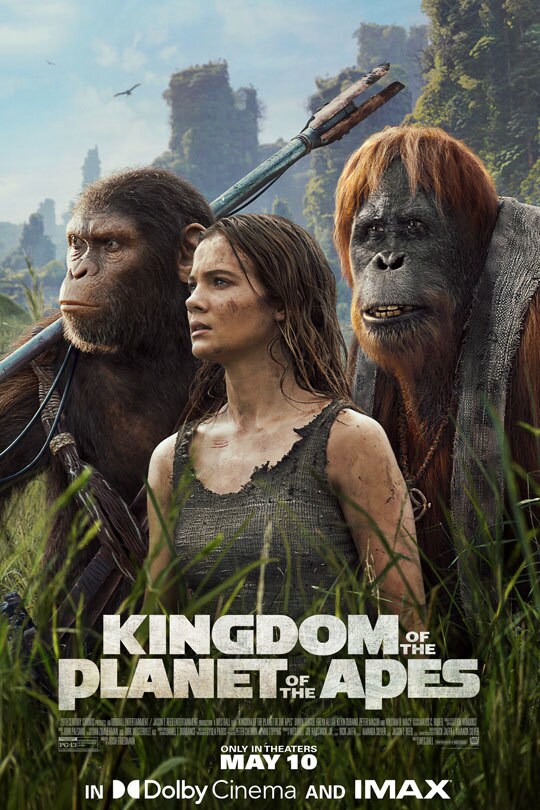
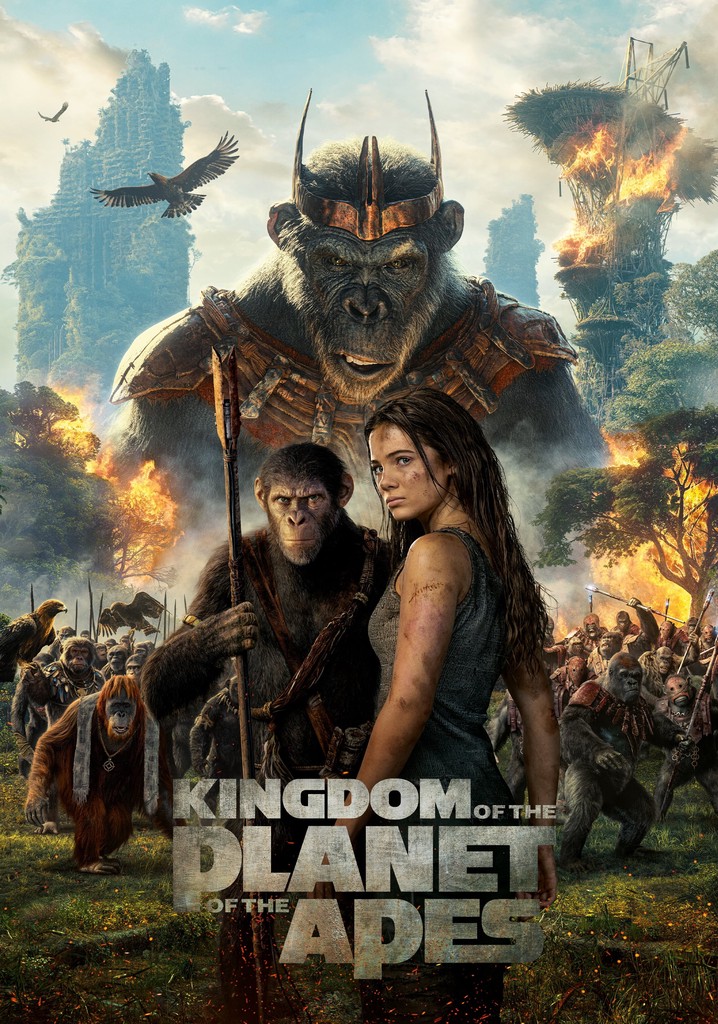
20th Century Studios’ Kingdom of the Planet of the Apes earned $5.53 million on its sixth weekend. That’s a +2% increase from last weekend, which is incredibly rare thing to see!
I would credit the weekend-to-weekend increase to the fact that Sunday was Fathers Day, and Disney paired Inside Out 2 and Apes together for drive-in theaters.
With a domestic total so far of $158 million, the film is expected to finish with $170-175 million in the U.S. and $390-400 million worldwide, a decent return for a blockbuster that cost $165 million.
Will audiences return for the next Planet Of The Apes?
Perhaps next time: have a more compelling movie-star in the cast? A story hook that intrigues even non-Ape fans?
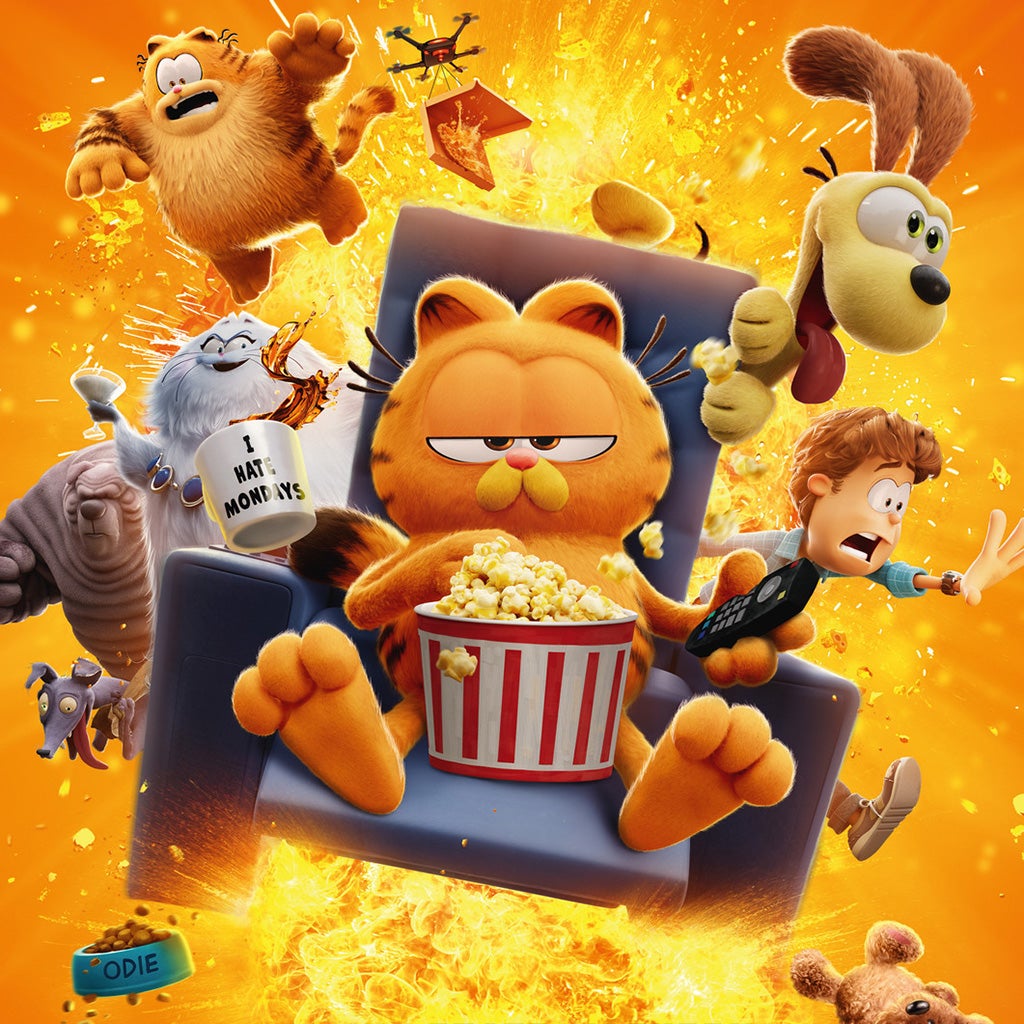
Sony’s The Garfield Movie will earn $4.7 million (-53%) on its fourth weekend for a $75 million domestic total, just over/under the $75.3 million domestic total of Bill Murray’s Garfield movie in 2004.
It’s expected to end worldwide with $240-250 million, which makes this a solid hit on a $60 million budget.
Paramount’s IF passed $100 million domestically over the weekend, a significant achievement for an entirely original live-action/animated family-targeted fantasy. The Ryan Reynolds-starring family dramedy earned $3.6 million in its fifth weekend (-54%), and is expected to end with $200-220 million worldwide.


That sadly still won’t be enough for IF to break even theatrically (IF’s budget was $110 million), despite good word of mouth and legs.
This goes to show how hard it is for original non-IP films to sell tickets nowadays. Remember filmmakers, you have to budget your films accordingly!

Next weekend comes the Focus Features’ release of The Bikeriders, a well-reviewed crime drama (82% on Rotten Tomatoes) starring Austin Butler and Tom Hardy, as members of a motorcycle club in 1960s Illinois. The film cost $40 million.
The film is only expected to open with around $10 million next weekend, but like all Focus Features films, a majority of their revenue comes from PVOD and digital sales. So even if The Bikeriders underperforms, it may still turn a profit after it hits digital.
And that’s it for the weekend box office. What films are you still interested in seeing or hearing about? I’m looking forward to writing again in this column soon.
-
Bad Boys Ride or Die Blazes Past Expectations with $57 Million Opening Weekend, + Five reasons to be optimistic this summer
I was tempted to give this story the headline, “Will Smith Slaps The Box Office Into Overdrive”, but it seemed like such low-hanging fruit.

The last time I wrote in this blog it was last summer, as Barbenheimer was saving the summer box office, which brought the 2023 box office to unprecedented heights post-COVID.
Now in 2024, how are the summer movies shaping up? Well…..
If you believe industry pundits, then the box office and theatrical industry are DYING right now.But actually, the industry is in a much, much better state than you may think. Here are 5 reasons to have optimism.
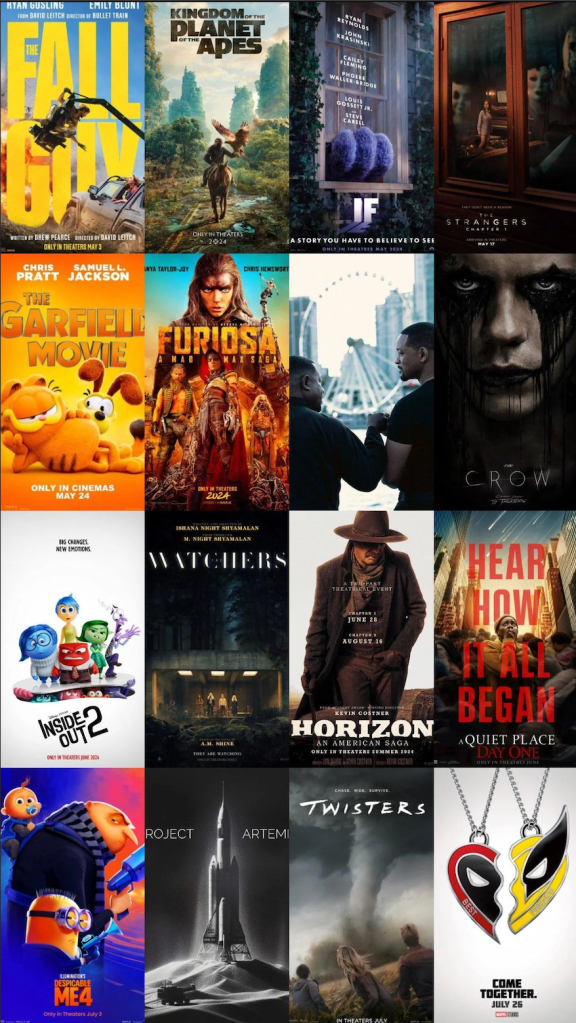
REASON #1: NO, THE SKY IS NOT FALLING
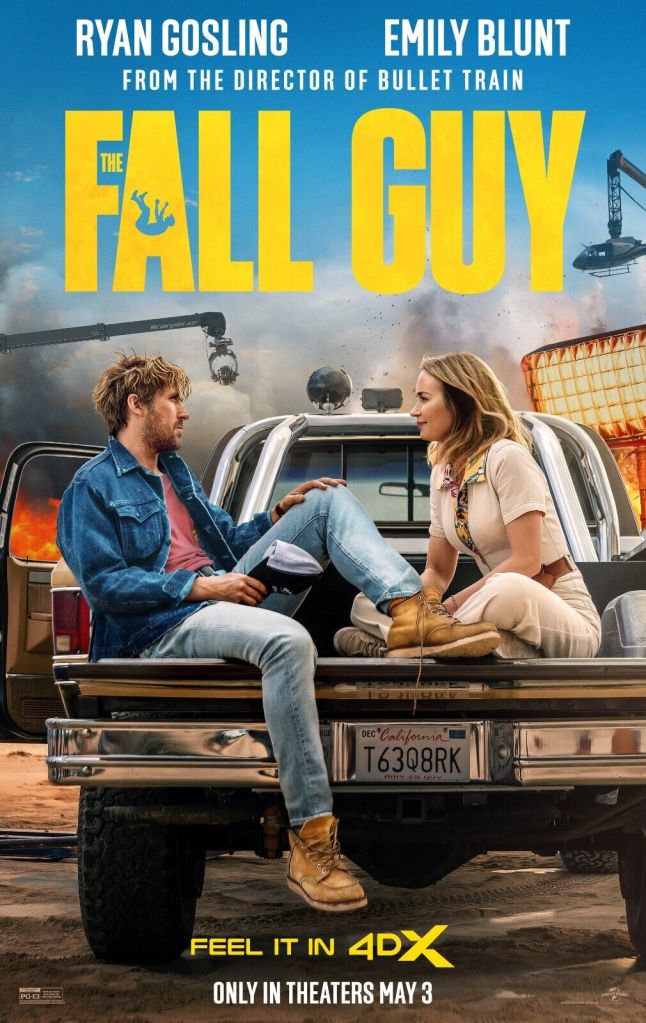
Ever since The Fall Guy underperformed in early May, there has been a narrative out there that movie theaters and theatrical moviegoing are dying, which has been compounded by hundreds of pundits in the entertainment media and trades, who keep repeating the same mantra: because the big summer releases were flopping, “the sky is falling”.
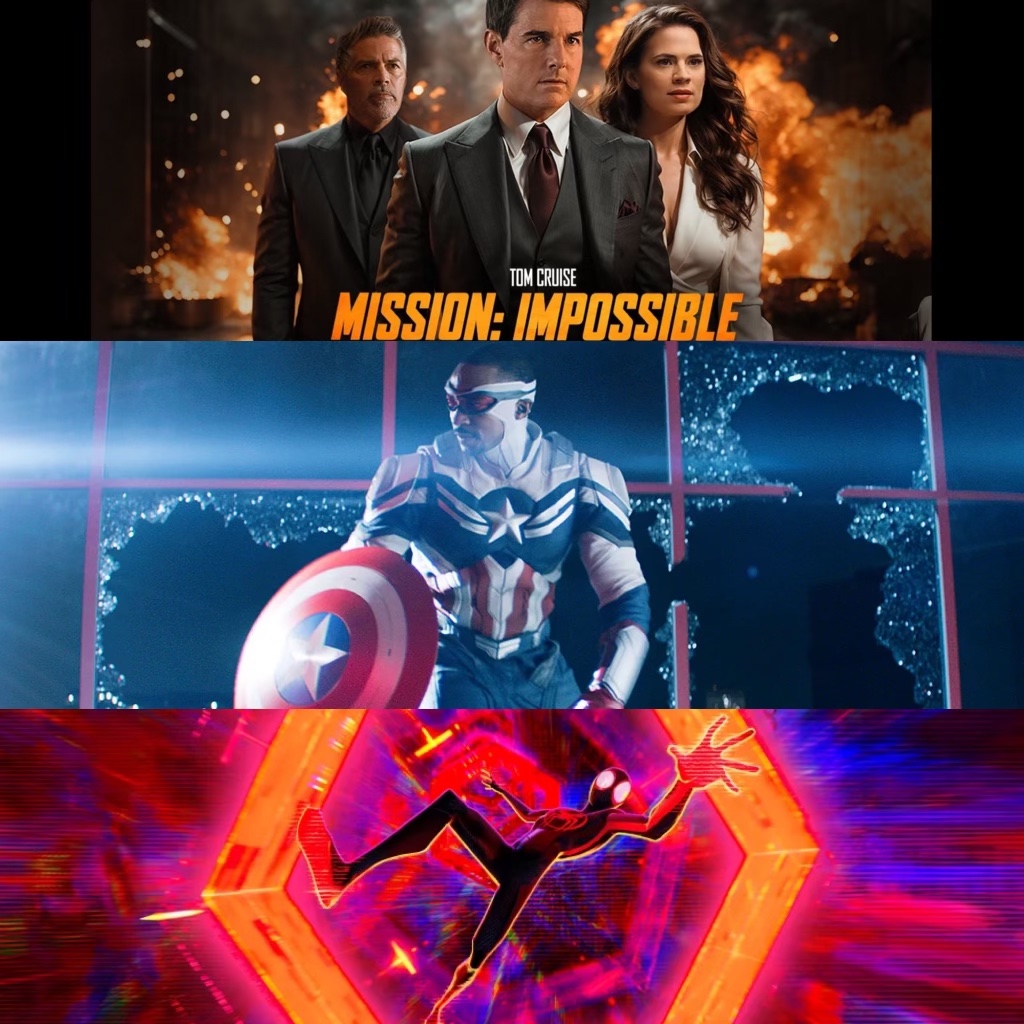
COVID and streaming have unequivocally changed moviegoing habits, for sure.But last year’s strikes delayed movies that were expected to be “tentpole” events for summer 2024 (Mission: Impossible 8, Captain America: Brave New World, and ESPECIALLY Spider-Man: Beyond the Spider-Verse) into 2025. This has lead the industry to have higher expectations for the movies being released this summer.
The strikes also greatly increased the budget for many of these movies too, making it harder to earn a profit. See below for what I mean (items in red highlight my point).
Film Title Pre-Release Opening Weekend Expectations
ACTUAL Opening WeekendAverage Budget for Films in this genre or franchise
ACTUAL Film Budget
The Fall Guy
$35-40 million
$27 million$70-90 million
(original movie-star-driven action comedy)
$150 million
Kingdom of the Planet of the Apes
$50 million
$58 million$150-170 million
(Apes Franchise)
$165 million
If$40 million $33 million $60-80 million
(original family CGI/live-action hybrid)$110 million Furiosa: A Mad Max Saga $50 million $32 million $150 million
(Mad Max franchise)$168 million Garfield $30 million $31 million $60-100 million
(animated family film based on IP)$60 million Bad Boys Ride or Die $30 million $57 million $90-130 million
(Bad Boys franchise)$100 million BIG FILMS THAT OPENED SO FAR THIS SUMMER Looking at this table, 3 out of the 6 big films released this summer (The Fall Guy, If, Furiosa) have failed to meet their Pre-Release Expectations for Opening Weekend, and COST WAY TOO MUCH to possibly make a profit.
However, Kingdom of the Planet of the Apes, Garfield, and now Bad Boys Ride or Die prove that there is still demand and life in these respective franchises, as long as they set their expectations and budget right.
REASON #2: MANAGE EXPECTATIONS AND BUDGET
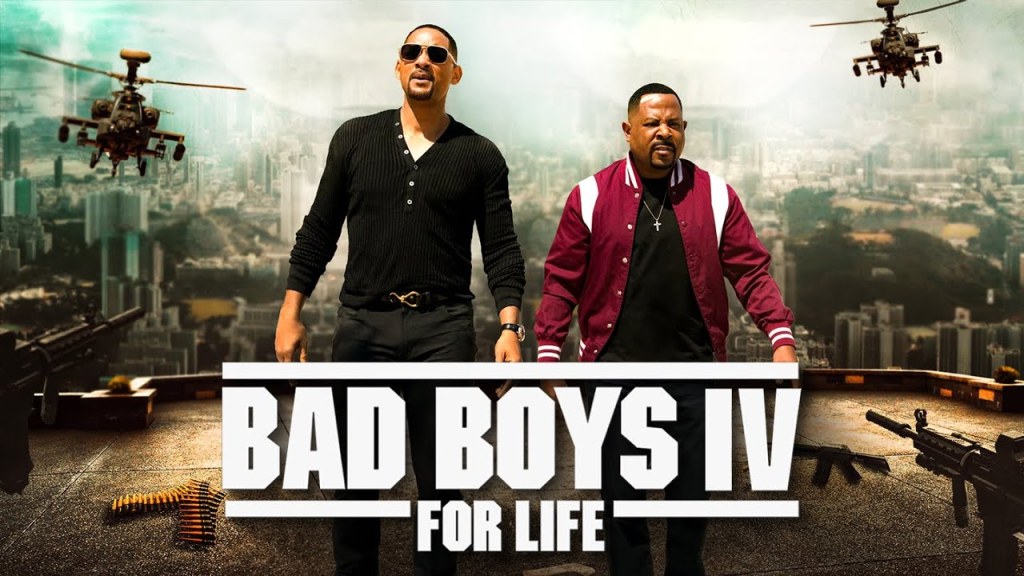
The latest installment in the Bad Boys franchise Bad Boys Ride or Die has defied expectations, by opening with a whopping $57 million.
One smart thing Sony Pictures did was to set low expectations, only predicting a TINY $30 million opening. But then on opening day it earned a $22 million, Day 2 $20 million, and Day 3 $15 million.
Those same industry pundits who a few weeks ago were doom and gloom are now gushing – “surprise hit!!”, and “Never saw this coming”.
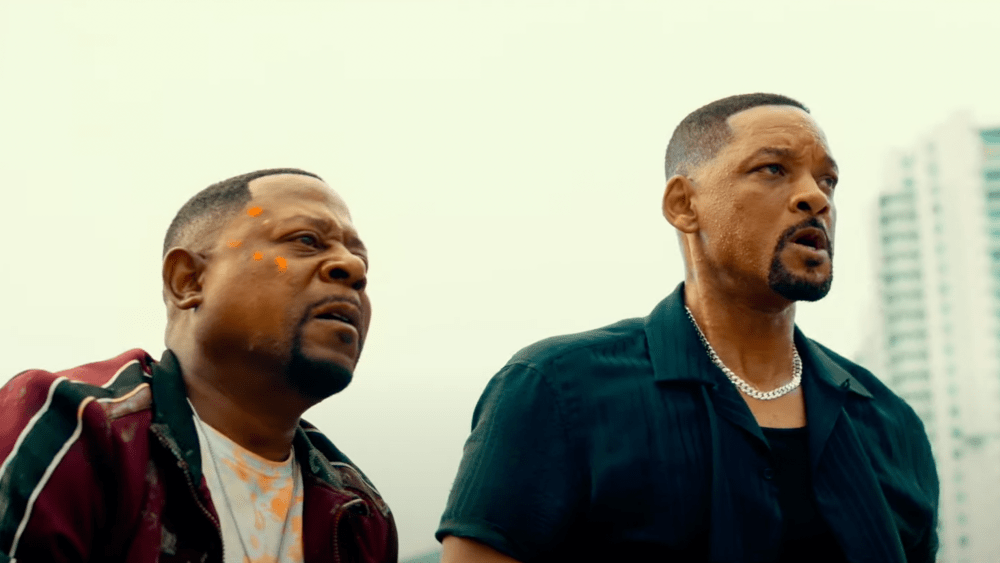
But if Sony had followed the expectations model of Furiosa and Planet of the Apes (both expected to open with $50 million), pundits might have just yawned. There’s nothing like beating a low target soundly to create a sense of success.
REASON #3: MARKET TO YOUR CORE AUDIENCE

While the last Bad Boys film’s audience was mostly evenly split racially (42% African American, 30% Caucasian, 18% Hispanic), this new film’s audience leaned MUCH more heavy towards people of color (44% African American, 26% Hispanic, and ONLY 18% Caucasian).
This makes sense, as Will Smith and Martin Lawrence prioritized a bigger share of the film’s marketing budget to BIPOC media outlets, than they did for any other other Bad Boys film. They knew that if they could get their BASE fanbase fired up, the rest would come along for the ride… and boom.
Sony’s decision to market the film as an event for core demographics absolutely payed off.

REASON #4: STAR POWER AND CHEMISTRY
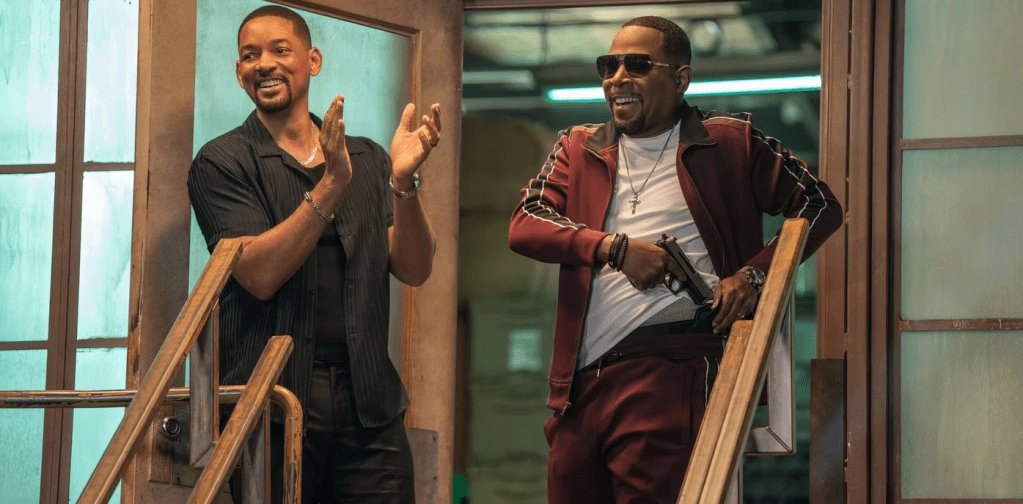
Like the previous films, Will Smith and Martin Lawrence have delivered the same lively, energetic, and entertaining performances that fans have come to want and expect.
And the reaction to Bad Boys 4 has thus far been very positive.
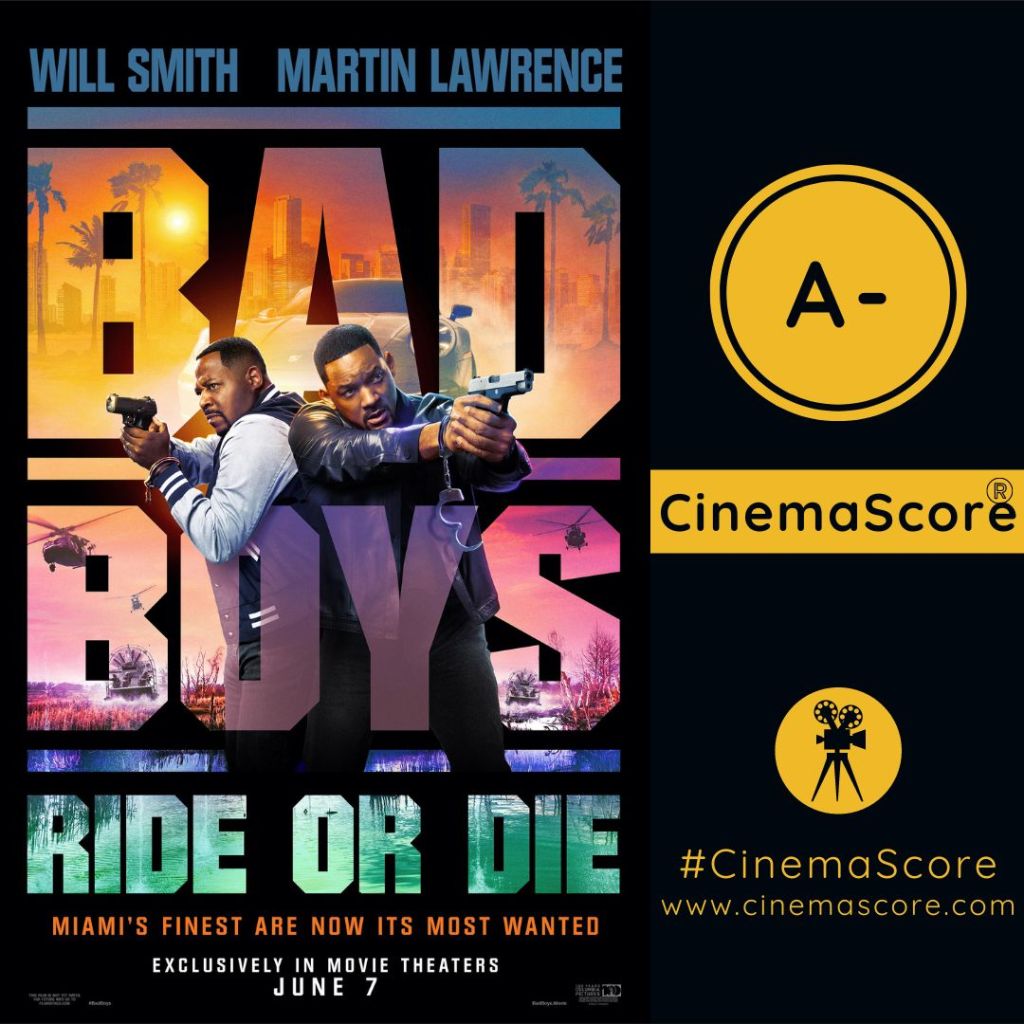
It earned an A- CinemaScore grade from audiences (a bit lower than the previous 3 films’ A grades), so while it may arguably be the “worst” film in the series, this success proves that there is still life left in this franchise.
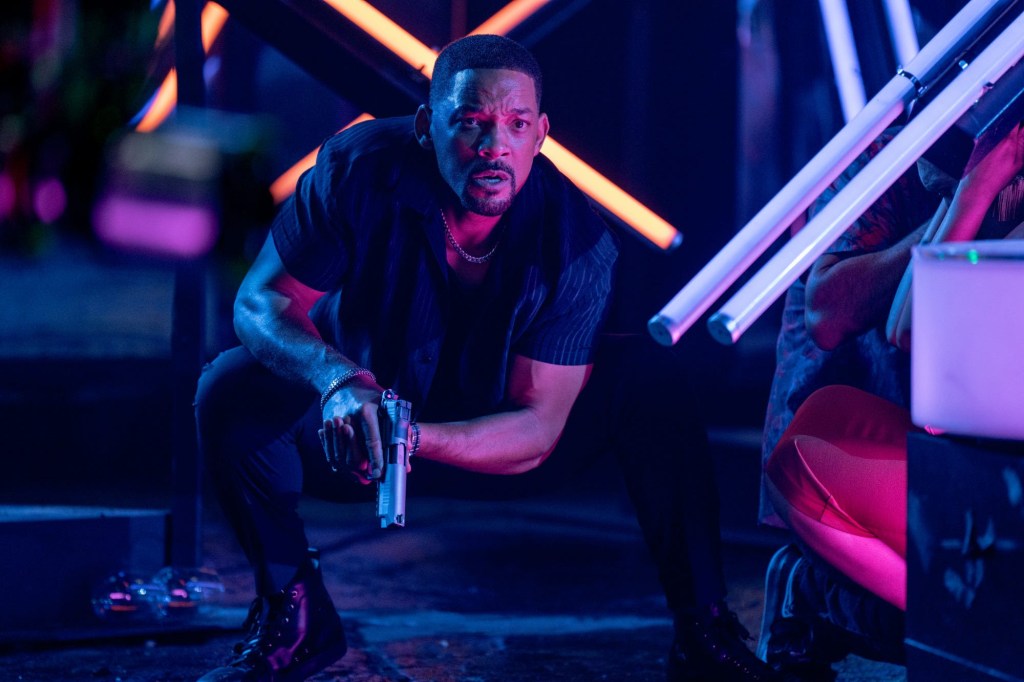
The success of this film also signifies a triumphant return for Will Smith, who has been absent from leading blockbuster roles for the past 5 years.
Now that he is officially “back”, it wouldn’t be surprising if a studio gives him a big blockbuster leading role again, like potentially I Am Legend 2 or Men In Black 4. He’s got the chops, he’s still beloved, and he can obviously still sell tickets.
This opening and reception sets the stage for Bad Boys 4 to end with 160M+ in the U.S. (bigger than the last Fast and Furious movie, and on par with the last Mission: Impossible, as far as long running action franchises go domestically).
Worldwide, it will likely end with $300 million+. On a $100 million budget, that’s a huge success.
Expect Bad Boys V: Five Times the Trouble in a few years.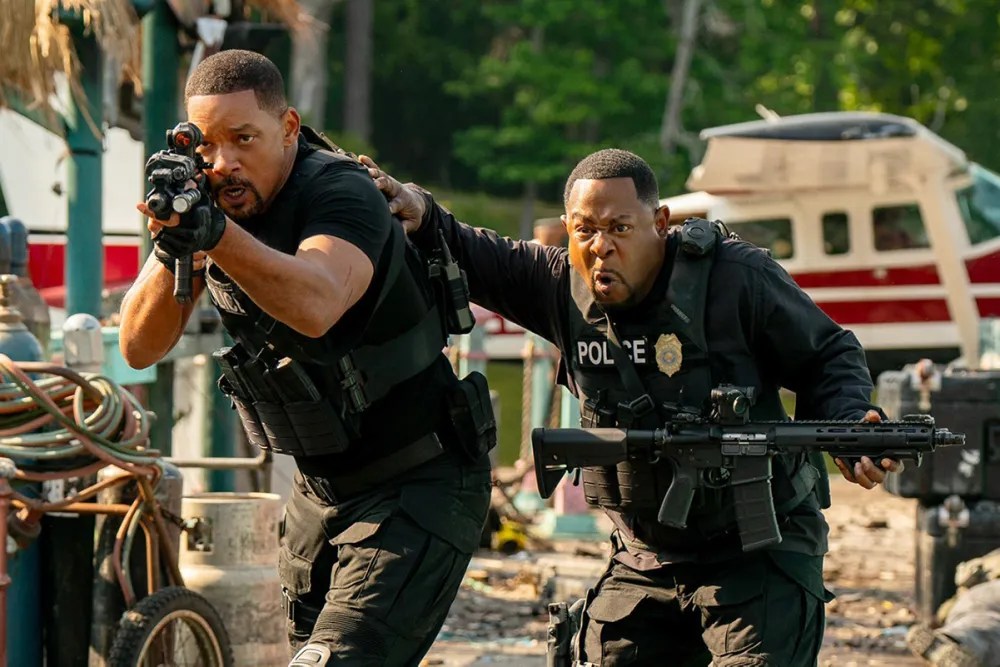
REASON #5: CHEAP ANIMATED FAMILY MOVIES STILL DO WELL
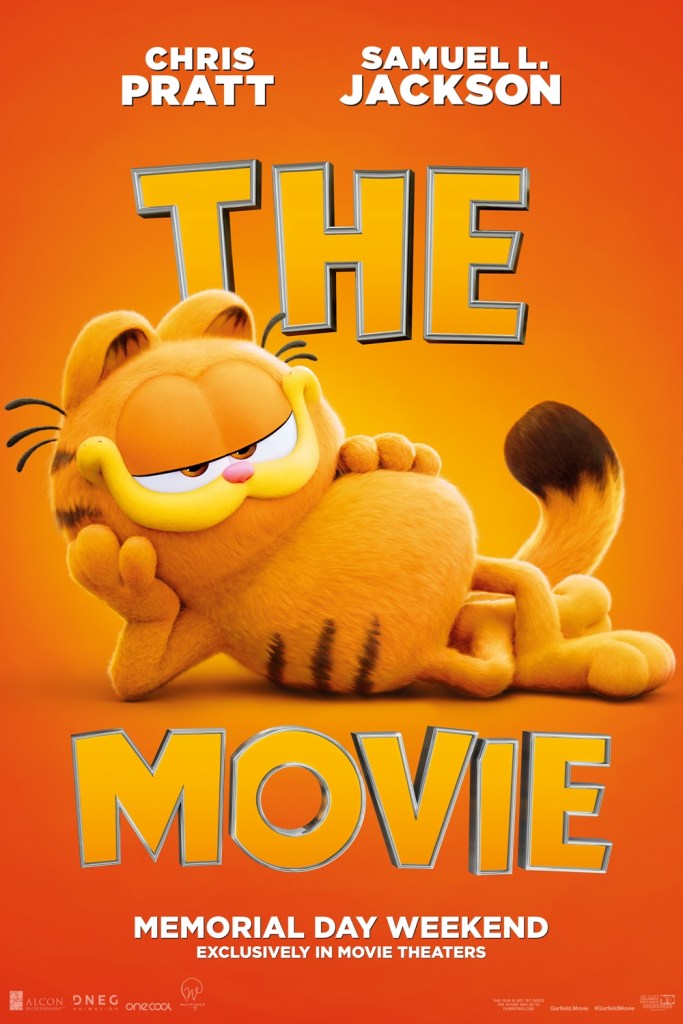
Sony’s family-friendly Garfield reboot continues to perform steadily, earning $10.1 million in its third weekend (-29% from last weekend) for a total of $68.9 million in the U.S., and a likely final total of $230+ million worldwide.
While not a blowout hit, especially with Inside Out 2 coming out next weekend, the film has earned a respectable amount of money from families, given its expectations and low $60 million budget.
And because I feel like it, here’s an side on the other films:
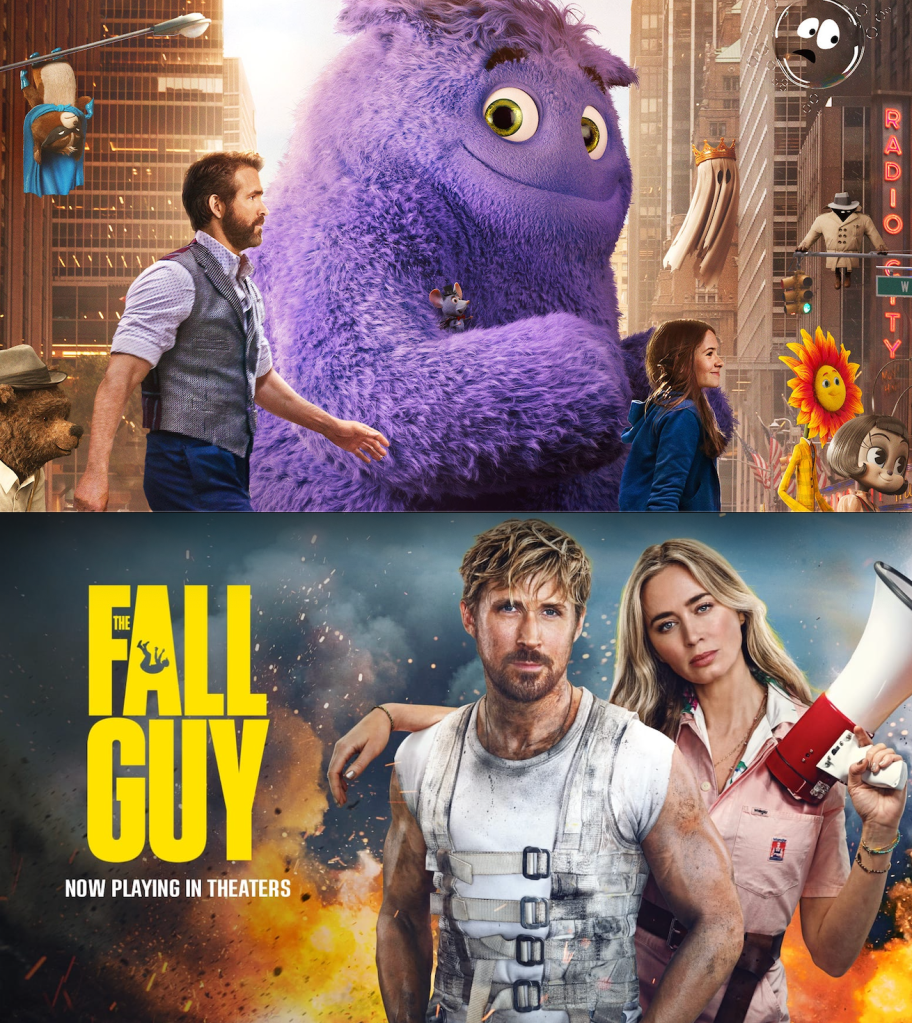
Both If (-24% for a $93 million 24-day total) and The Fall Guy (-35% for a $85 million 38-day total) are holding nicely with solid drops due to great word of mouth.
Yet, due to underwhelming overall box office (If and The Fall Guy will likely end with only $220-240 million and $175-200 million worldwide respectively), and extremely high budgets as I mentioned earlier, neither of them will earn a profit theatrically. It’s tragic, but not surprising. Remember, keep your budgets in check!
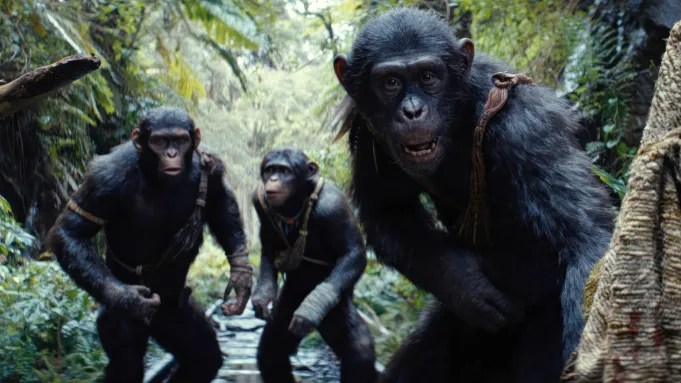
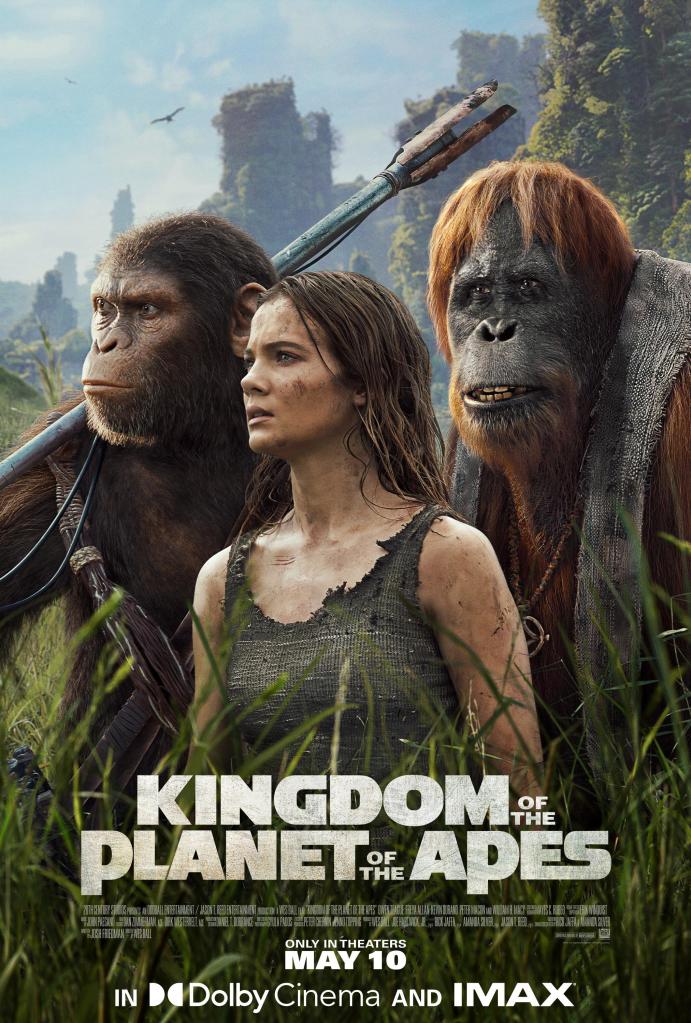
20th Century Studios / Disney’s Kingdom of the Planet of the Apes remains the highest grossing movie of this summer, with a fifth weekend of $5.75 million (-36% from last weekend) and a domestic U.S. total of $151 million. The film has a $165 million budget, and will likely finish worldwide with around $375-$390 million, a modest success for a blockbuster nowadays.Ultimately, Kingdom feels like a movie that will do very well on streaming/VOD, and could be discovered by much more people after it’s theatrical run. I’d expect the next film – as long as it comes out within 2-4 years of this film – to have an increase in the box office.
I think for the next film, they should get a more recognizable actor/actress to play one of the main human characters. Kingdom has NO STARS in the film, which helped the budget, but likely also hurt it’s promotions/ marketing and general awareness.
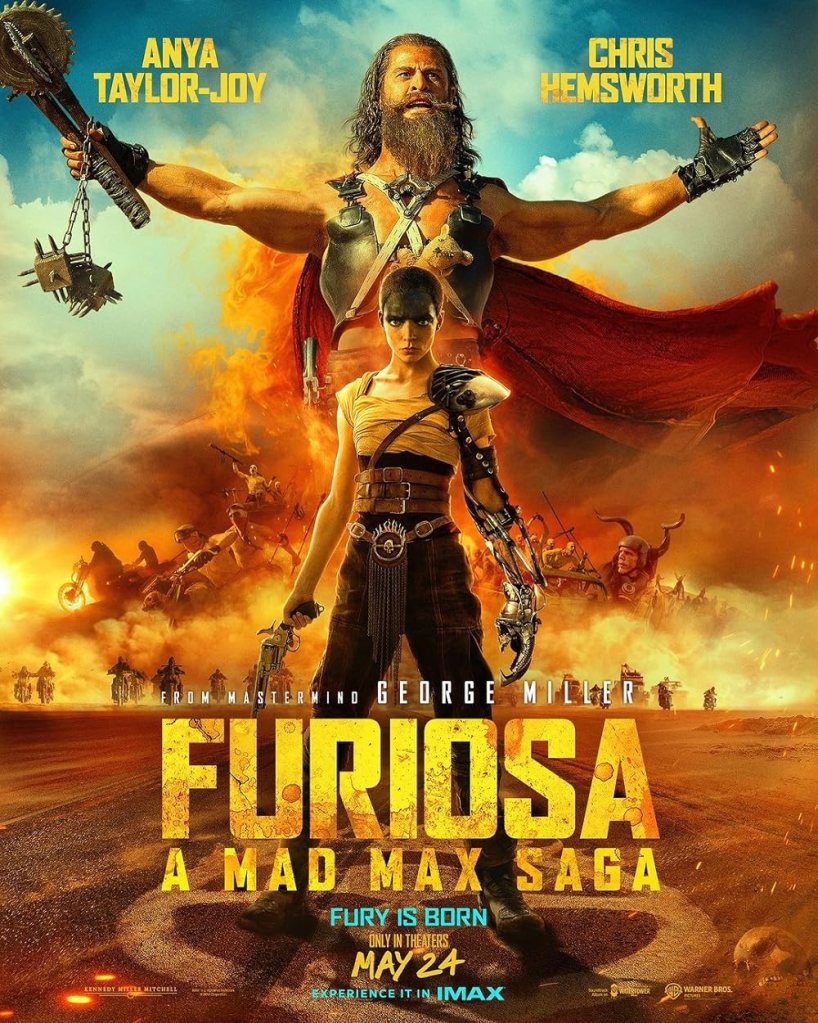
Warner Brothers’ Furiosa continues to slide into a box office pit of despair, earning just $4.1 million in its 3rd weekend (-61% from last weekend) for a total of $58 million in the U.S. and $144 million worldwide. It has taken took 3 weeks for Furiosa to earn what Bad Boys will earn in 3 days. Yikes!
I’m expecting a $180-200 million worldwide finish, which on a $168 million budget, is a horrible flop. Too bad, BUT I LOVED IT ANYWAY!
I have 2 takeaways from Furiosa’s dreadful box office performance: #1 The lightning-in-a-bottle reception of Fury Road was NOT replicable without Tom Hardy or Charlize Theron.
#2: Telling the origin story of an iconic fan-favorite character (paired with a younger/less popular actor) is box office poison, no matter how good it ends up being (see also Solo: A Star Wars Story or Pixar’s Lightyear).
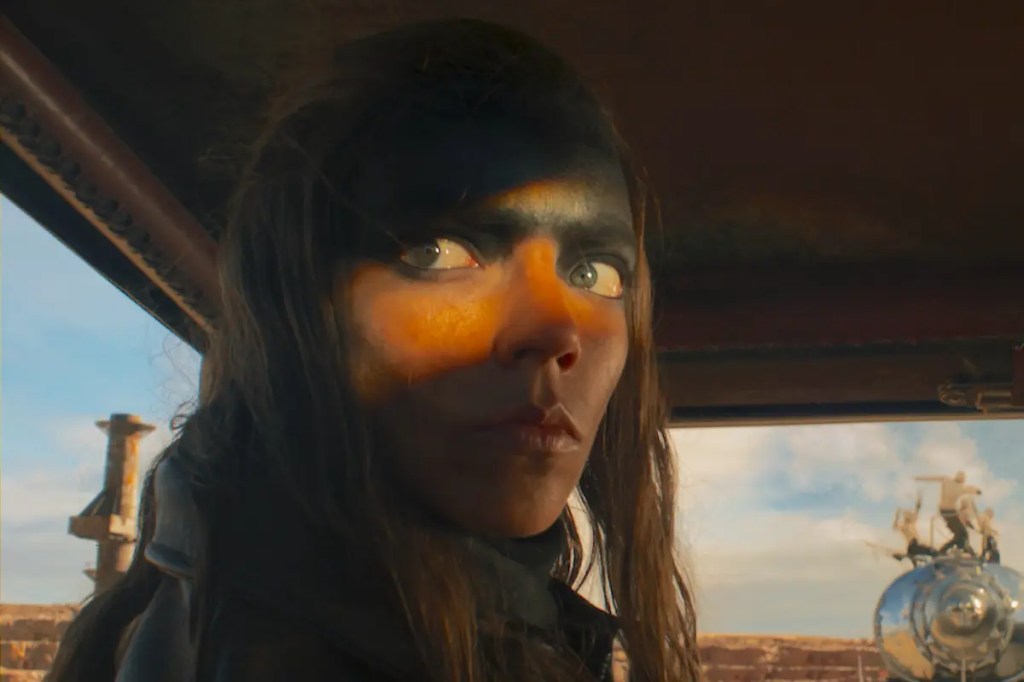

If Furiosa does end up being the last film in the Mad Max franchise, it would be tragic, but understandable.
At least director George Miller can stand tall (at the age of 80 !!) that he made this franchise the way he wanted, earning high praise from critics and audiences each time, even with low box office returns.
WHY NEXT WEEKEND WILL CONTINUE TO SHOW THAT THEATERS ARE ALIVE
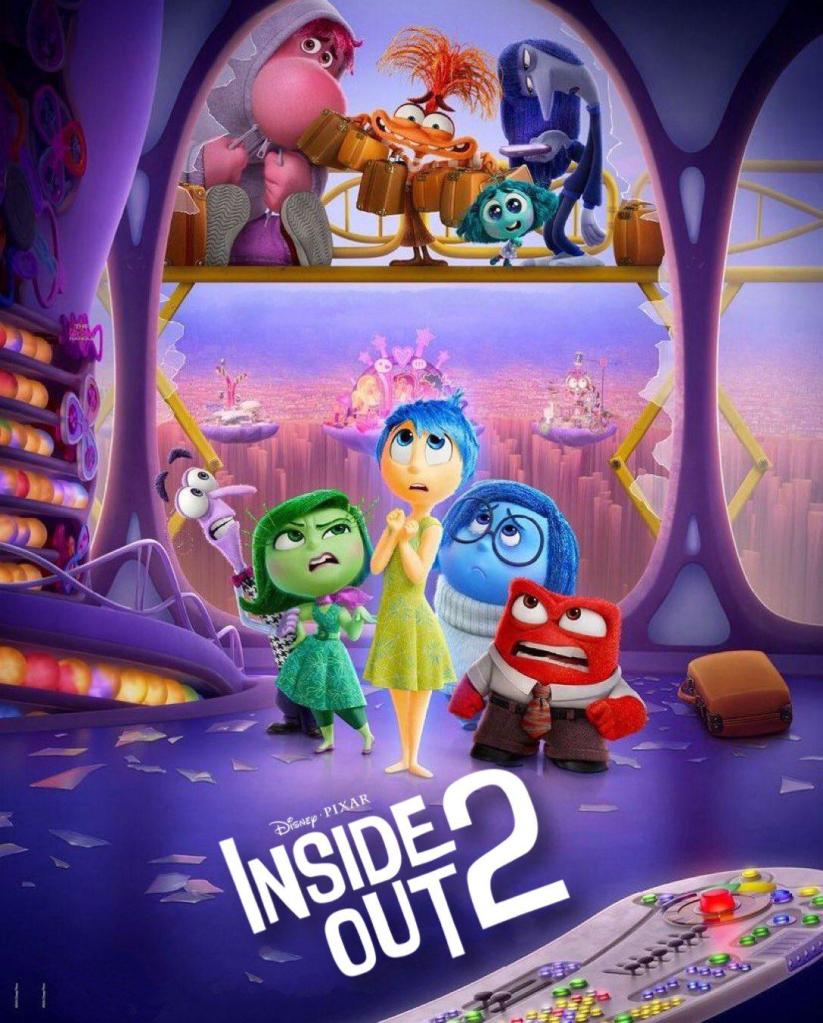
Next weekend comes the release of the Inside Out 2, which will be a huge test on the viability of Pixar’s brand, over the past 4 years of their *arguably* best films (like Soul or Luca) getting dumped for free on Disney+.
The industry is expecting an $80-90 million opening weekend, but I wouldn’t be surprised if it potentially opens over $100+ million. Ticket pre-sales have been excellent so far, and 9 years ago the first Inside Out opened with $90 million. We’ll see!
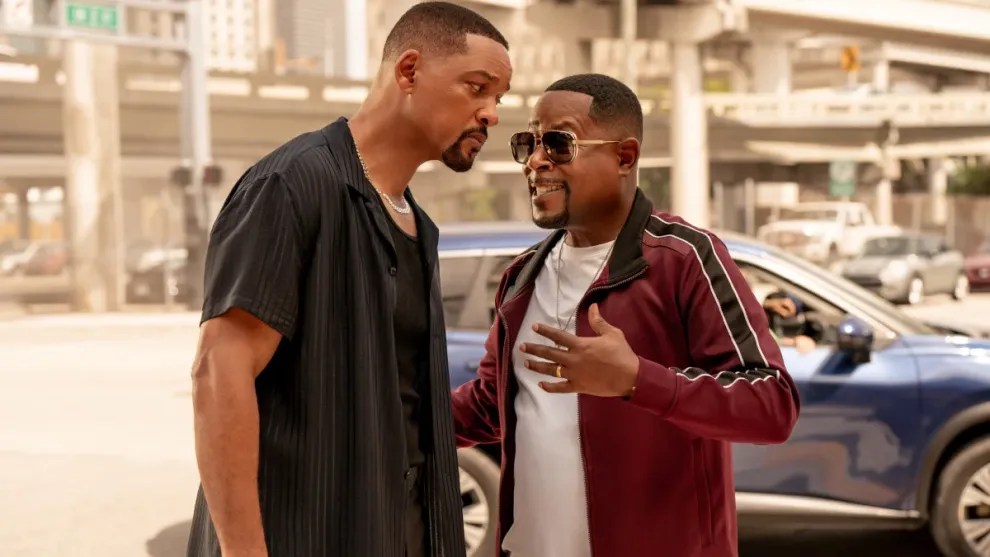
Next weekend should also have a great drop for Bad Boys 4, with Fathers Day next Sunday. It’s crazy to think that a Bad Boys movie can now qualify as Dad-friendly-entertainment, but don’t be surprised: this is an action movie starring two men pushing 60.
And that’s it for the weekend box office. What films are you still interested in seeing or hearing about?
I’m looking forward to writing again in this column next weekend.
-
Everybody Wins: Toys, Turtles, Sharks, and Bombs create a Box Office Bonanza this weekend, why?
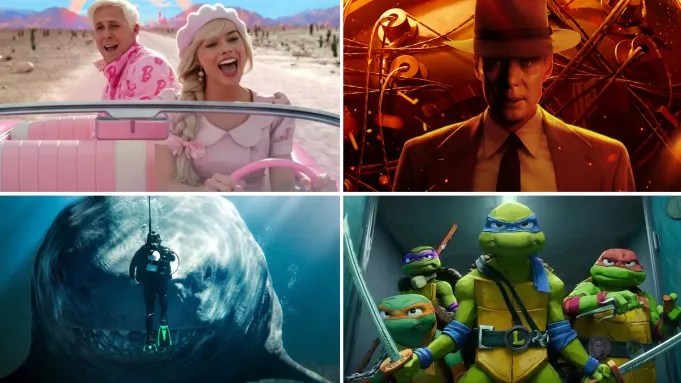
Four turtles, a shark, some dolls, and an atomic bomb walk into a theater…. box office success ensues.
While Barbie is still queen bee at the box office for the third weekend in a row, there’s a fierce battle for second place this weekend, which is great to see for the industry. Teenage Mutant Ninja Turtles, The Meg 2, and Oppenheimer are all neck and neck this weekend with $28-30 million each, but at this point rank is almost irrelevant. They ALL exceeded expectations.
After this weekend, the 2023 domestic box office is soaring past $6 billion; +22% over the same January-August timeframe a year ago.
Perhaps it’s because the slate of movies that have come out this summer are bigger, and more compelling than what came out a year ago.


After all compared to 2022, Oppenheimer > Nope. Elemental > Lightyear. Teenage Mutant Ninja Turtles > DC’s League of Super-Pets. And Barbie > Where The Crawdads Sing. Simply put, the July/August movies this year are more popular with audiences.

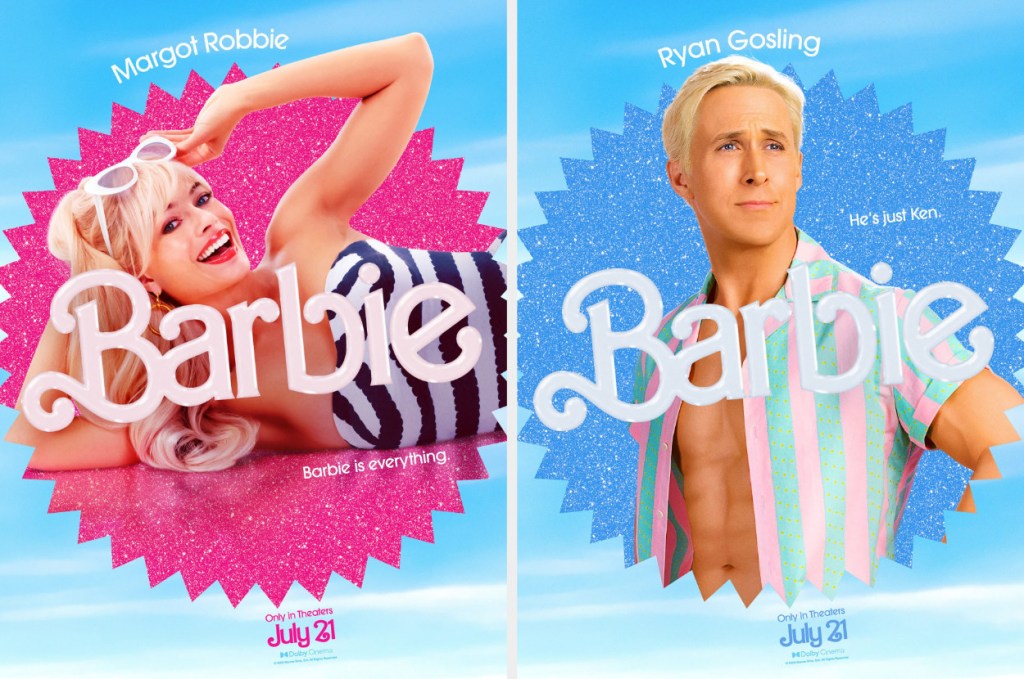
Barbie is still at #1, earning another $53 million for a total of $460 domestically, passing Wonder Woman as the highest grossing film EVER directed or written by a woman.
Credit again to the film’s clever hook, stellar marketing, perfect cast, and direction from Greta Gerwig.
Worldwide, it’s already at $1.03 billion after 3 weeks! Yes, it’s earned a “Barbillion” worldwide. Wow.
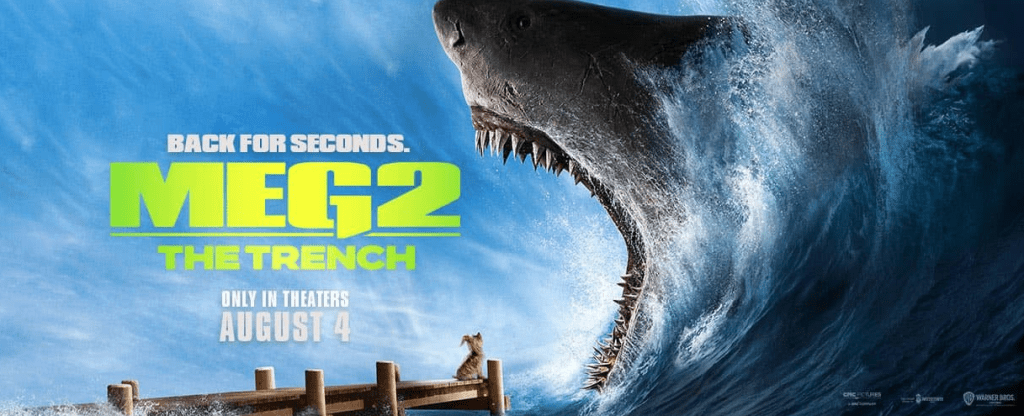
The Meg 2: The Trench exceeded expectations for its studio Warner Bros., with a $30 million opening (the industry was expecting $20 million).
However, the audience and critic scores in America are quite terrible (a “B-“ cinemascore compared to the first Meg’s “B+”), indicating that the sequel is not at all thrilling. Apparently, you also don’t even see the titular Megaladon shark until nearly an hour into the film.

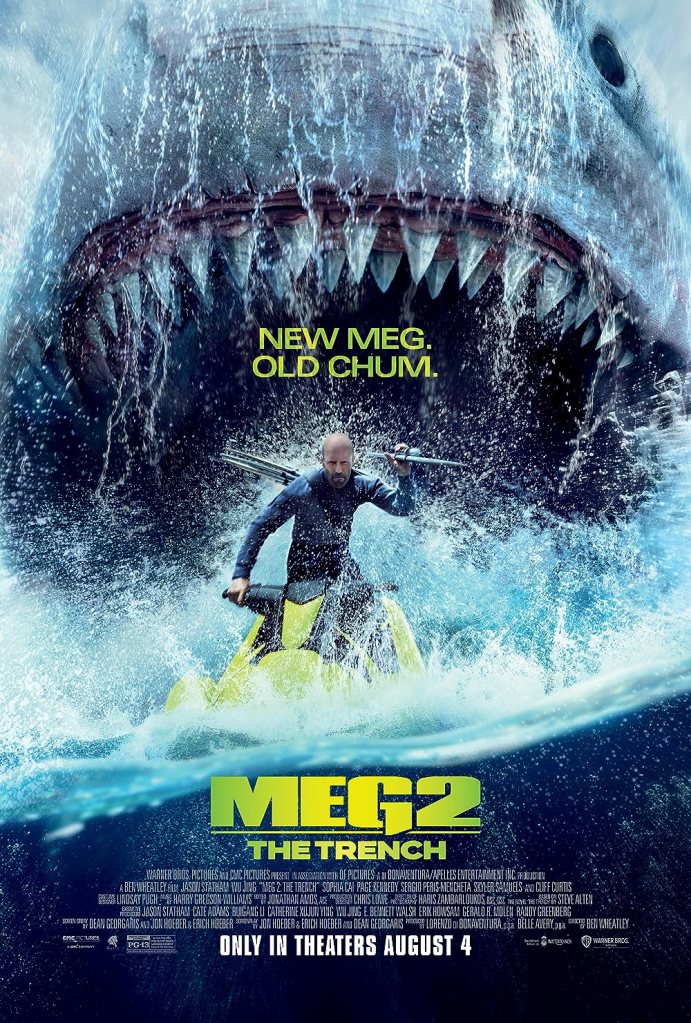
But in the end, there’s always an appetite for stupid fun shark movies or “creature features”, especially in the dog-days of August when audiences are hungry for a fluffy action adventure film.
The Meg 2 also did open strong overseas ($145 million worldwide, including a $53 million opening in China, the home of the films costar Wu Jing).
So the film may still end with near $300 million worldwide. That may be just enough to recoup the films $130 million budget.
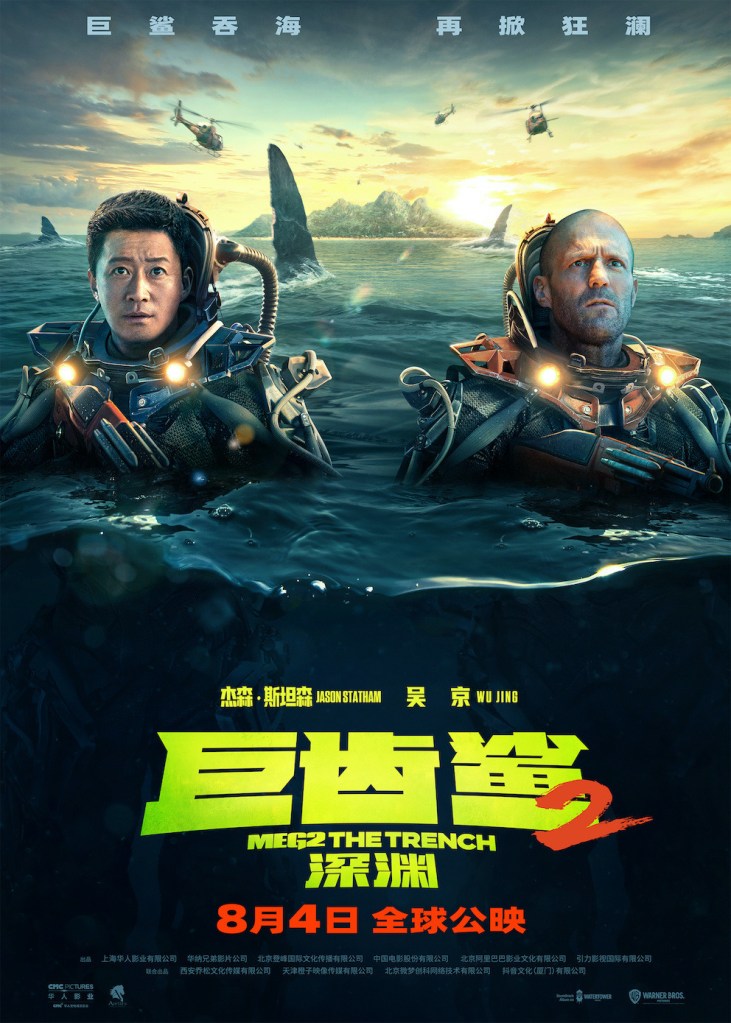
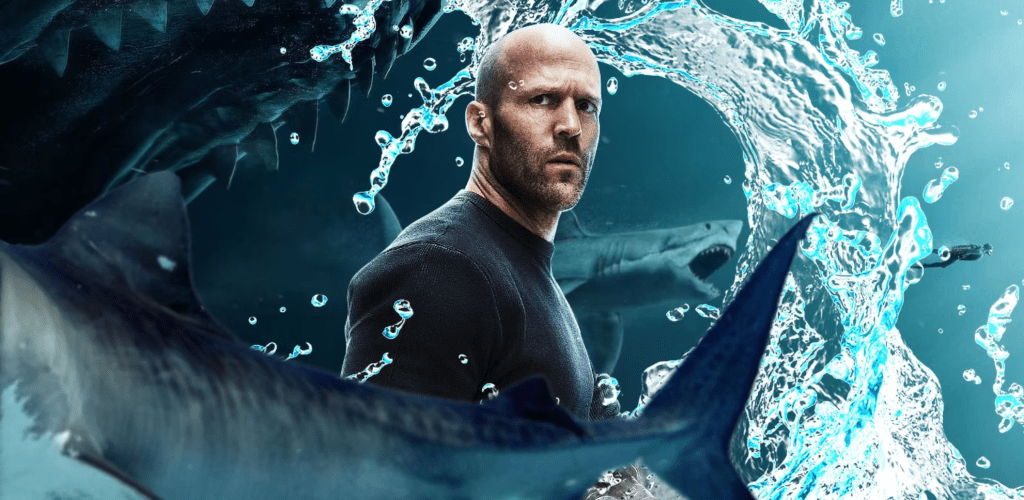
Interesting to note, the studio is reporting The Meg 2’s opening was largely fueled by interest from TV spots and in-theater trailers, and not promotions from the cast (like Jason Statham) due to the SAG-AFTRA strike.
We’ll see if future films without cast promotion can replicate this success during the ongoing Actors and Writers strike.
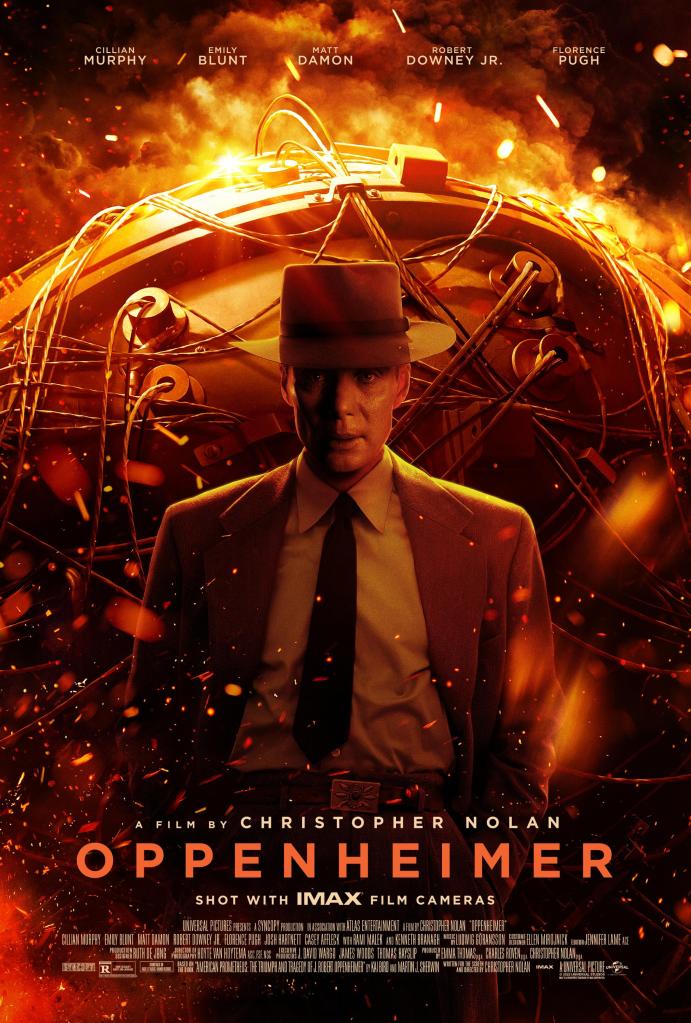
Oppenheimer earned another $29.12 million in its third weekend, for a total of $228.5 million in the U.S.
It’s on track to eventually pass Inception ($291 million in the U.S.), for $300+ million in the U.S. and $750-$850 million worldwide. That would make it the highest grossing Christopher Nolan film ever, besides The Dark Knight. Spectacular! And on just a $100 million budget.
Personally, I’m still somewhat shocked that a film with such a grim tone, an apocalyptic subject matter, and a dense 3 hour runtime is playing like one of the biggest and best blockbusters of the year.
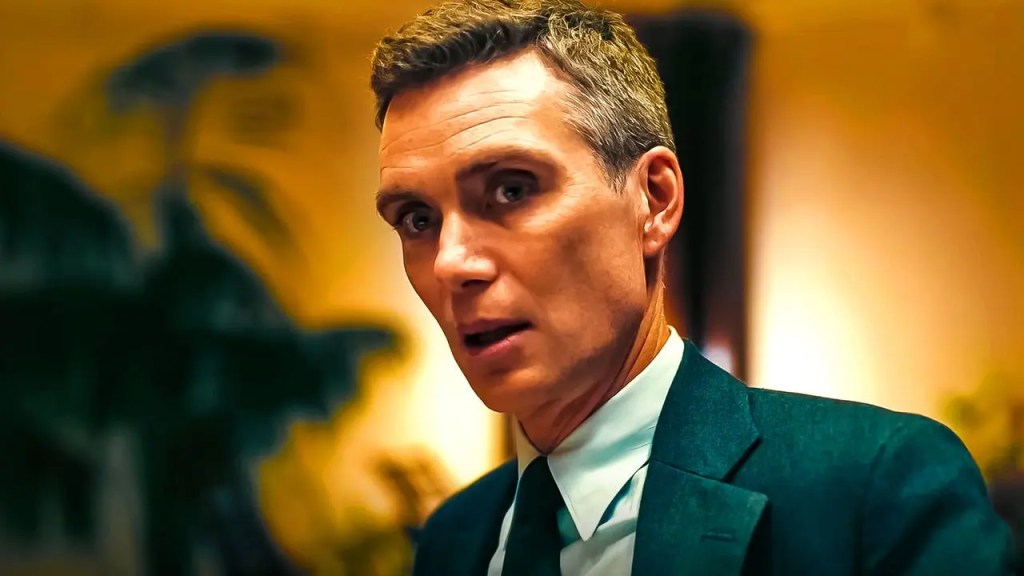
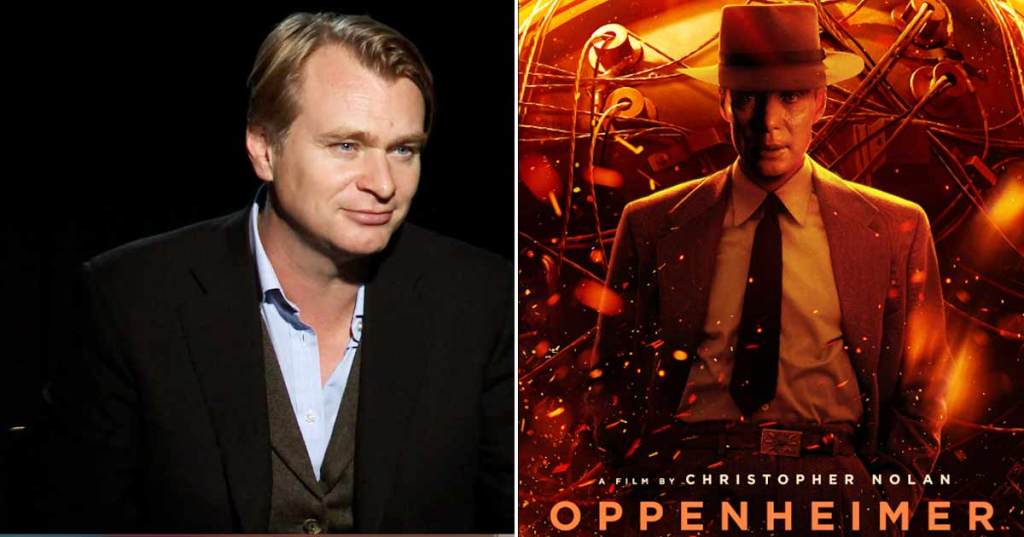
Credit again to Director Christopher Nolan, for making this story about “the most important man who ever lived” as accessible and entertaining as it is. You’ll love to see it.
Lastly this weekend, despite being the 7th iteration in the Turtles franchise, Teenage Mutant Ninja Turtles: Mutant Mayhem written by and starring Seth Rogen, opened very well, with $28 million over the 3-day weekend and $43 million over the 5 day weekend.
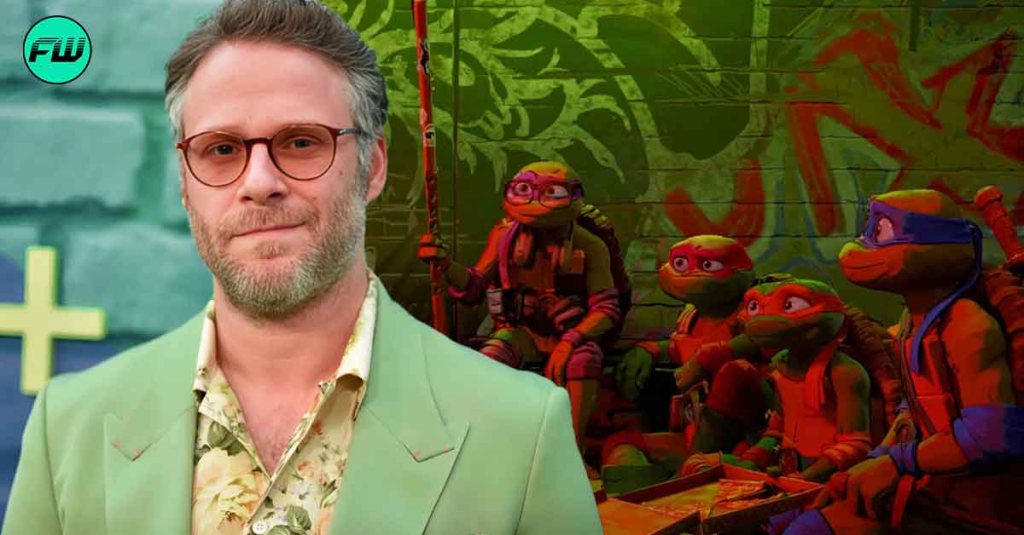
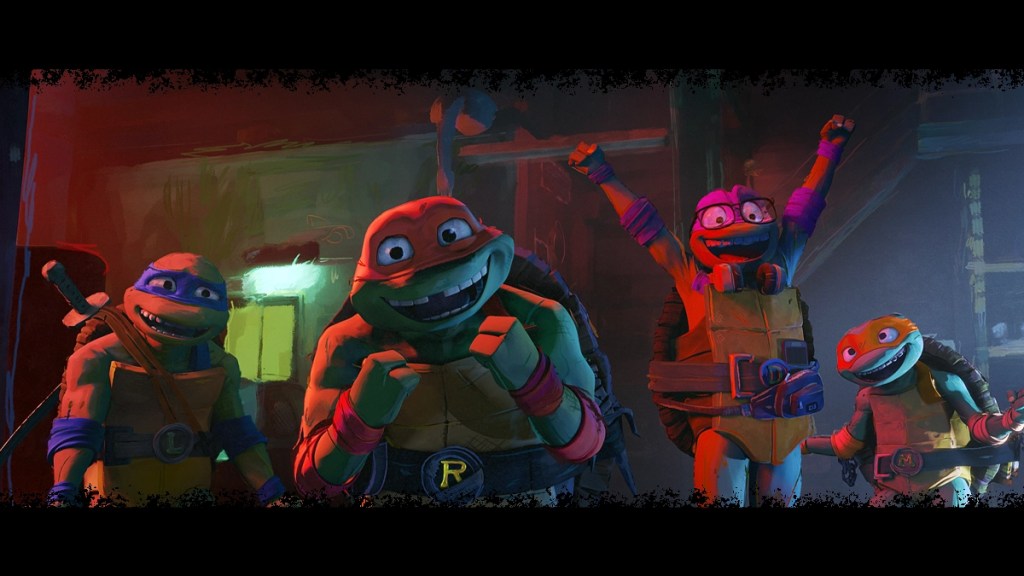
But the most encouraging stats comes from the audience scores: moviegoers are loving this film, more than any other previous in the franchise.
Critics gave this a 96% on Rotten Tomatoes, comparing the films’ tremendous animation to the SpiderVerse films.
Add that with an “A” grade from Cinemascore, and a Postmark Audience score of 88% “positive” and 70% “definitely recommend” (kids under 12 gave it a 94% “positive” score), audiences are loving the fresh new take on this franchise.


From the look of this Turtles film, with its grungy New York art style, 90’s hiphop soundtrack, charming voice acting and characters, this is the best these Turtles movies have ever been.
Given the amazing word of mouth, there’s enough ooze to keep this family film playing throughout the month of August and September.
Worldwide? I would expect $300 million-$350 million. And the best part: the films’ budget is only $70 million! Cowabunga!
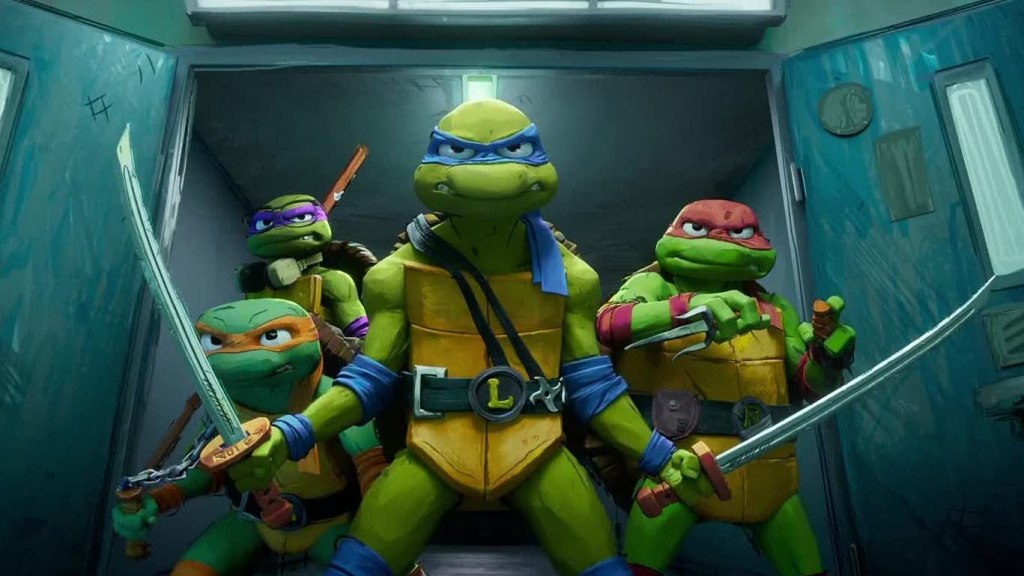
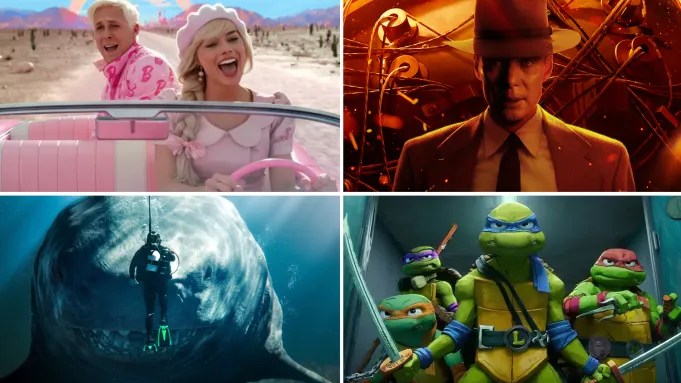
In the end, with movies about Toys, Turtles, Sharks, and Bombs, the top 4 films all did exceedingly well at the box office this weekend. Why?
Because they all offered something different than anything else in the marketplace, with concepts, subject matter, and characters you couldn’t get anywhere else. Maybe there is a way to re-engage that portion of the public who swore off theaters for the comfort of their couch.
-
BOMBS AND DOLLS: What is getting Americans off their couches and into movie theaters for Barbenheimer?
The theater event being hailed as Barbenheimer is going to be analyzed for years. Savor and remember this moment.
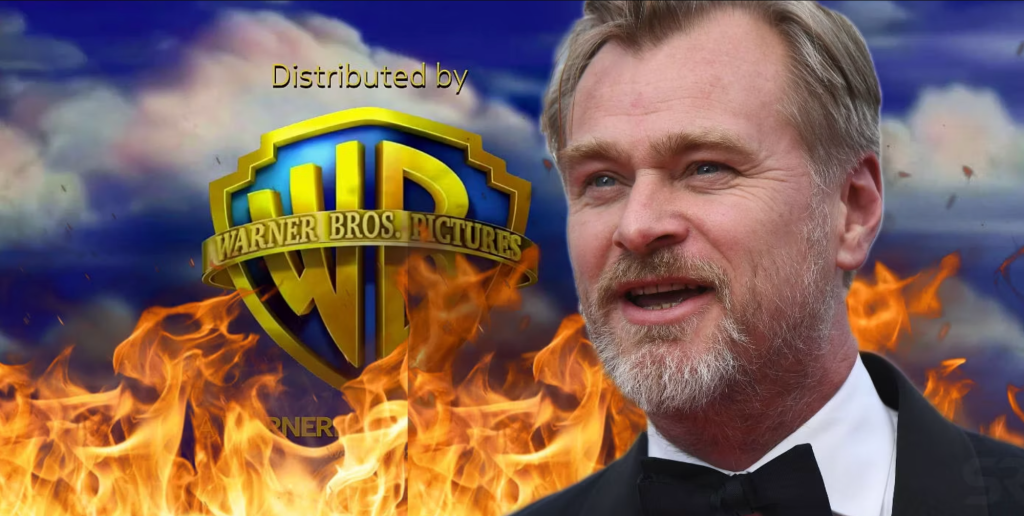
What just started as a petty rivalry between two movies (in 2020 after Christopher Nolan quit Warner Brothers and moved to Universal, WB reacted by placing their film Barbie on the SAME date as Nolan’s next film Oppenheimer), has now become a mutually beneficial phenomenon.
Opening the weekend of July 21st, Barbie opened to $162 million and Oppenheimer opened to $82.4 million. There’s a movie for everybody with these two films.


Posttrak is reporting 68% of Barbie’s audience was female, while 65% of Oppenheimer’s audience was male. You can imagine a couple going to the theater, kissing each other goodbye, walking into different theaters, and both coming out with a smile.
Many theatergoers aren’t making a choice, they’re seeing both. When I and a friend saw both films last Friday, we were in a sea of others dressed their best, either in pink, suits, or science related outfits at the AMC.
It was like gathering to witness a rare cosmic event.

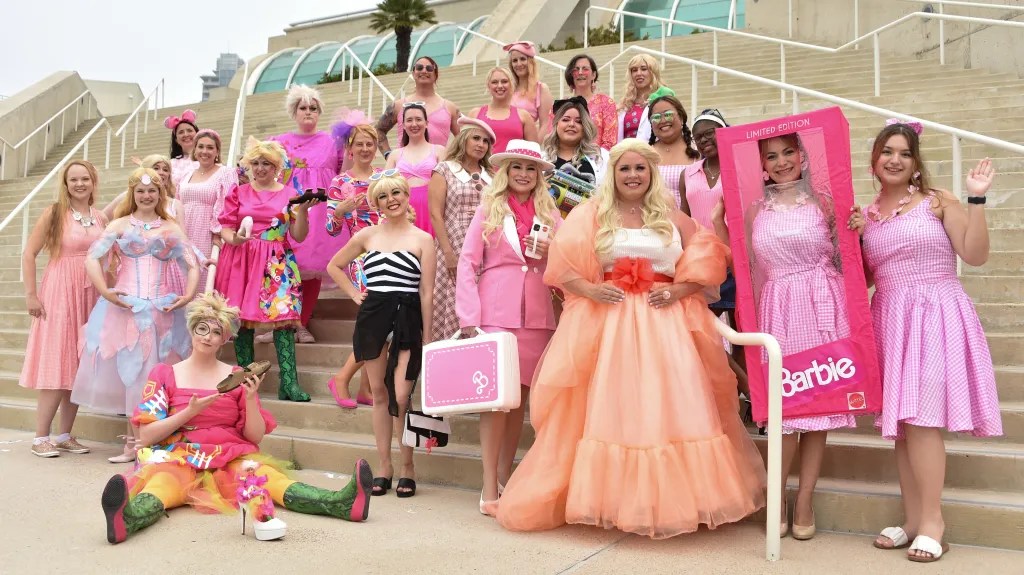
This is particularly hopeful, as it shows that even post COVID, there can be event movies that get everyone talking and excited enough to make the visit to the multiplex. The question is – why are they getting off their couches? I‘ve got 2 key thoughts:
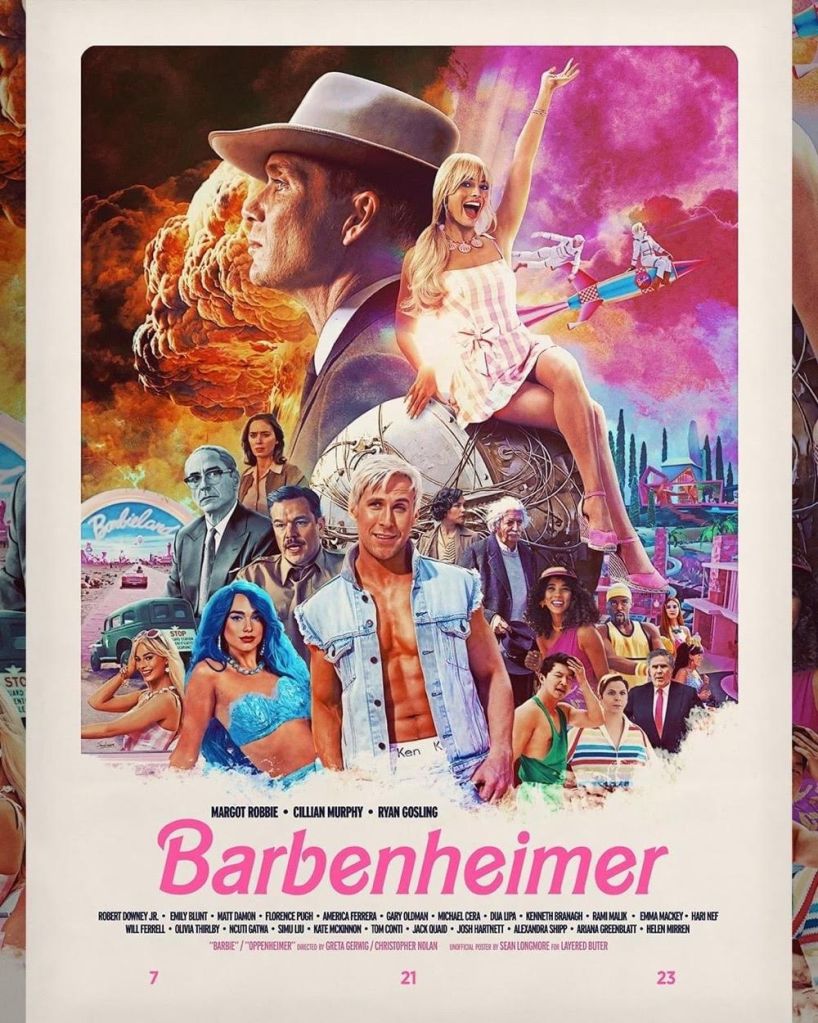
1. Unique Subject Matter, with Clever Execution
The buzz around both movies shows audiences are hungry for new stories that aren’t just 5th or 7th entries in a franchise (looking at you, Indiana Jones, Mission Impossible, Transformers), or formulaic stories (e.g. every superhero story right now).
Sure Barbie is an existing IP, but unlike The Super Mario Bros Movie – which follows the plot of a beloved game – there’s a blank canvas for creating a story.
Interest ended up being so high for Barbie, that it beat The Super Mario Bros Movie for the BIGGEST opening weekend of the year, $162 million to $146 million respectfully.
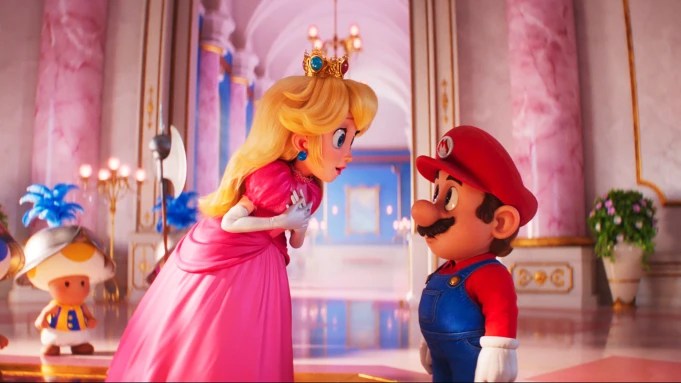
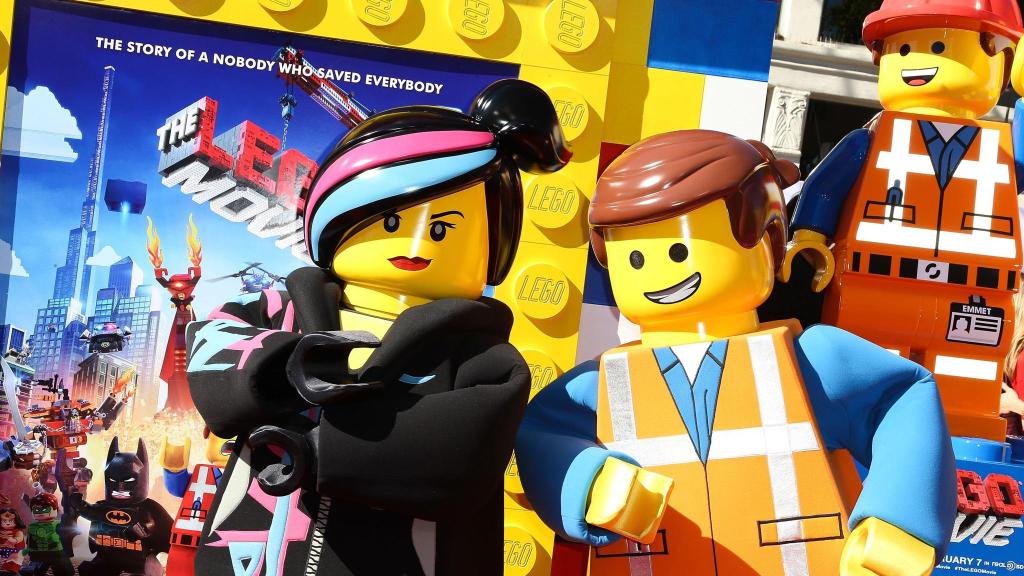
Just like with The Lego Movie, many audience goers want to see Barbie out of both nostalgia and curiosity. The marketing reflected the playfulness, opening the film up as something both kids and adults could proudly enjoy.
With Barbie, women are showing up in droves, but (plot twist notwithstanding) it’s okay to be a guy in the audience, too.
The story is layered, both entertaining and satirical, poking fun at the Barbie mythos in subversive and clever ways that empower women and offer a nice viewpoint on modern day feminism.
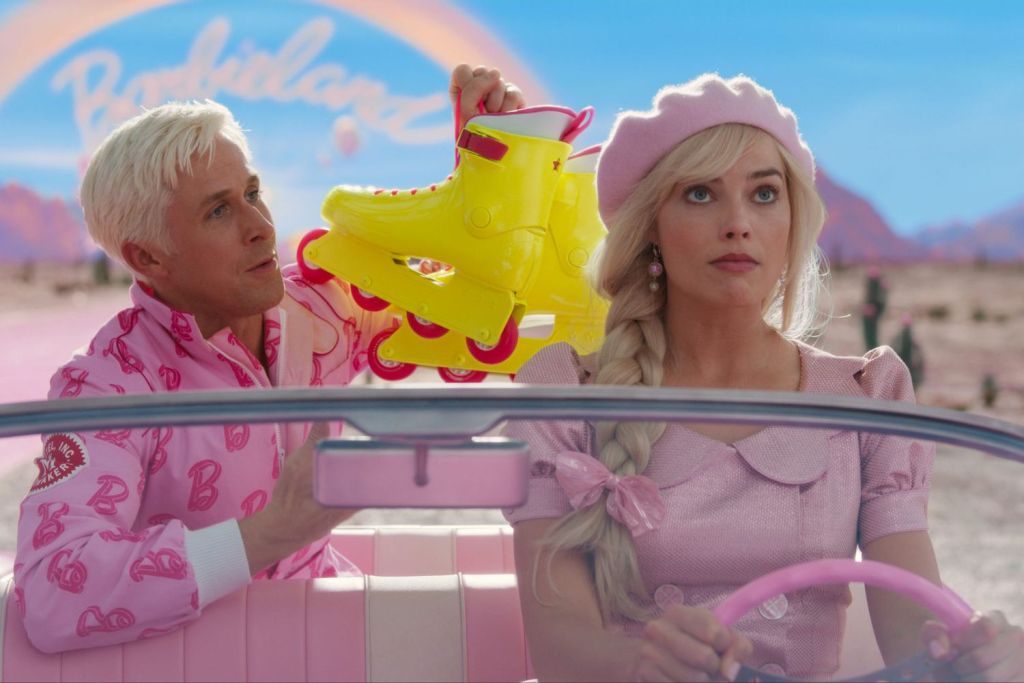

Similarly, the story and subject matter are massive key selling points for Oppenheimer.
The interesting thing about Oppenheimer is that everyone knows how it ends (spoiler alert – we make an atomic bomb), but The Manhattan Project is one of those mysterious events that EVERYONE knows about superficially, but not the details.
Even at 3 hours and a dour tone, with mostly talking and little action, the storytelling is thrilling, riveting, and intense in a very non-History-Channel way.
By the end of the movie, the audience has a deeper appreciation not just for J. Robert Oppenheimer, but for all the people who came together to create this dreadful weapon.
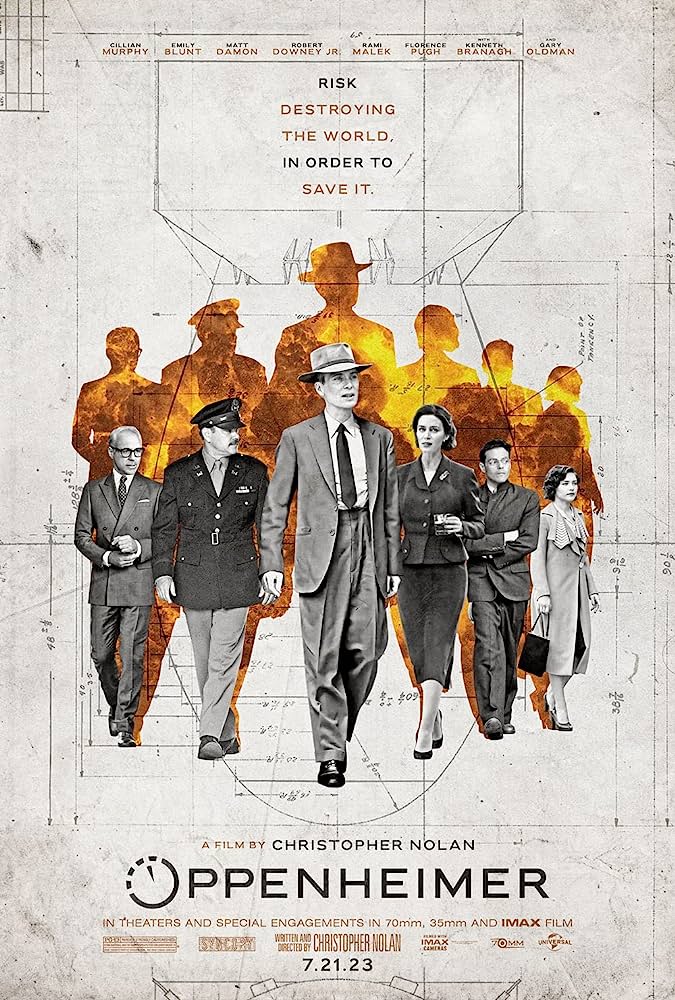
Barbie takes a well known toy, and tells a smart engaging story that feels fresh. Oppenheimer takes a well known event, and gives you a peek behind the curtain of “the most important man who ever lived, who genuinely created the power to destroy the world”.
Both Barbie and Oppenheimer are stories that people don’t know and find intriguing – and somehow feel important enough to find out about ASAP.
2. Huge fanbase for the Director/Cast


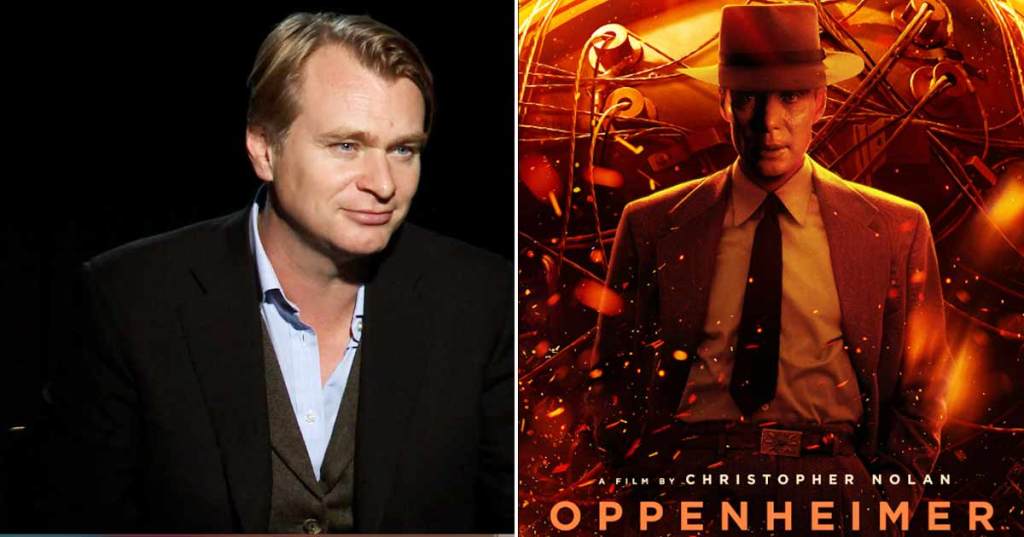
Oppenheimer’s massive opening shows Director Christopher Nolan is still in his prime. He’s the modern equivalent of Spielberg and Scorsese, a director whose involvement on a project guarantees some semblance of quality and commercial success.
His last film Tenet managed to gross over $360m worldwide in 2020 during the peak of the pandemic, almost entirely off Nolan’s name alone.
And now with a remarkable $82.4 million debut, Oppenheimer is a career best for Nolan opening a non-Batman movie.
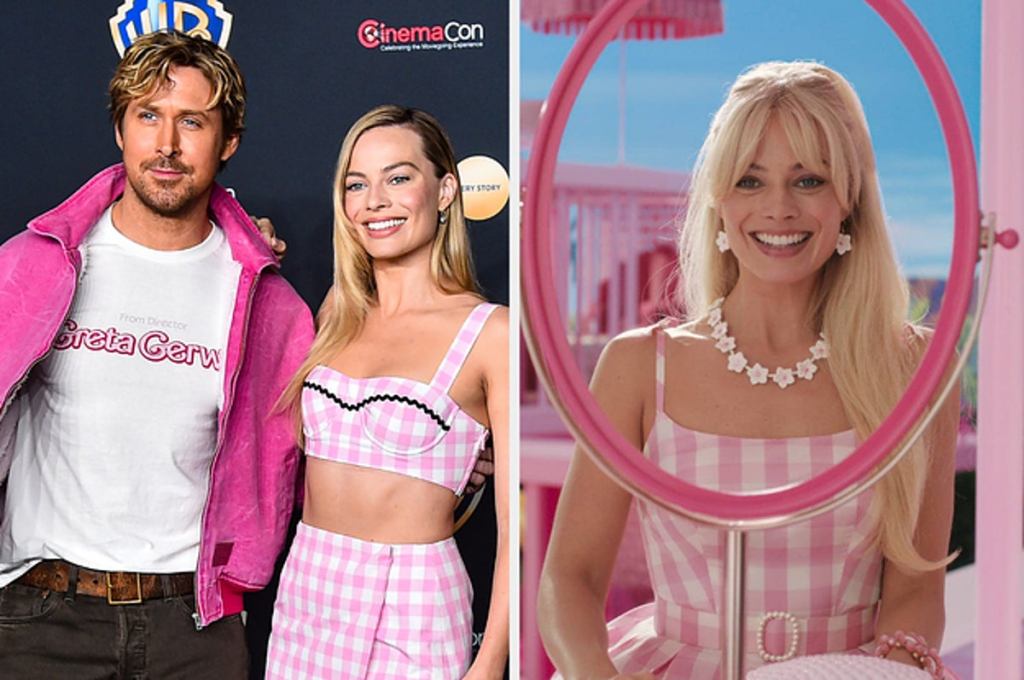
With Barbie, they casted the film perfectly. The likability of both Margot Robbie and Ryan Gosling in the main roles is a big reason why the anticipation is so high.
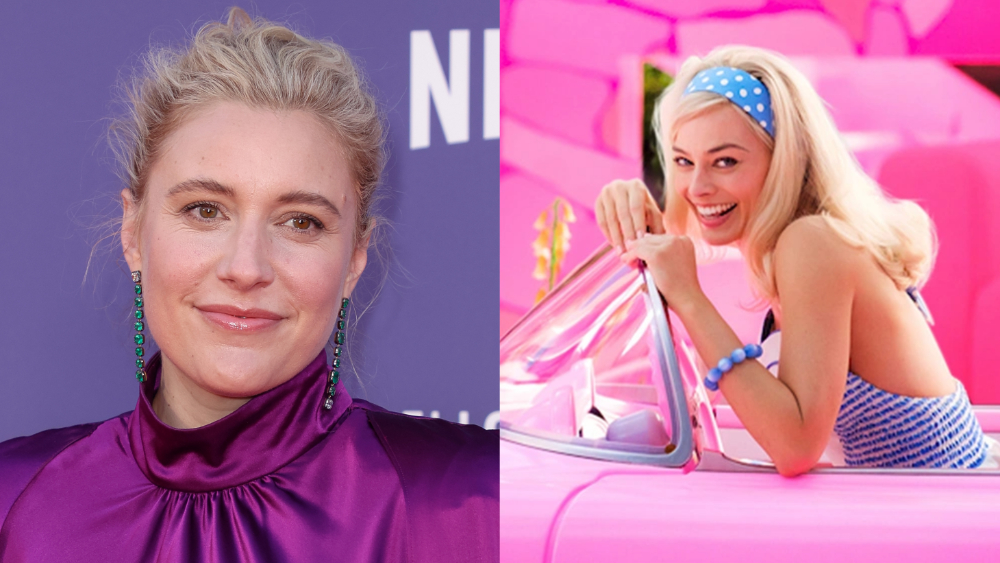
Greta Gerwig is also likely a draw as writer/director of Barbie. For a significant portion of the audience, she is an “it” director after making both Lady Bird and Little Women, she’s a trusted voice in directing female-driven movies.
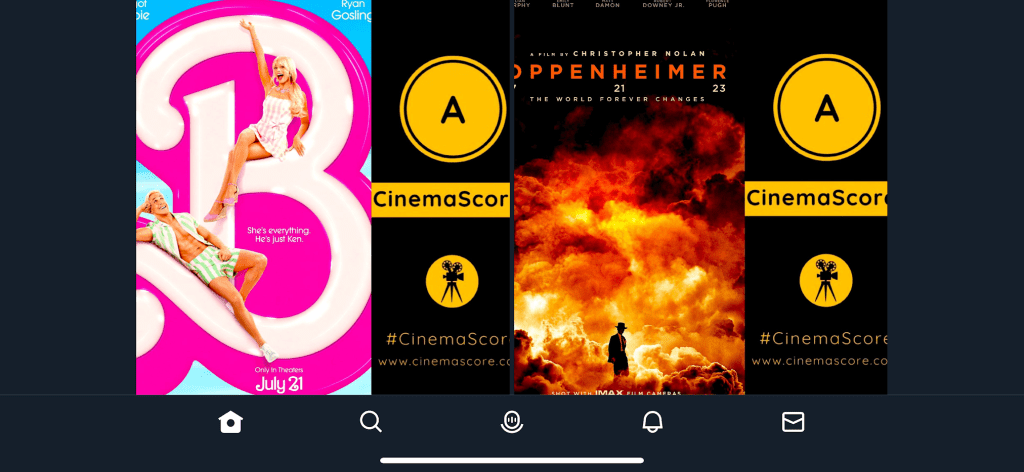
Both Barbie and Oppenheimer will likely have wonderful staying power for the rest of the summer. Both films are completely satisfying for audiences (“A” Cinemascores for both).
Yet each has fast paced stories, where a lot of details could be missed during the first watch, that I suspect repeat viewing for both will be big.
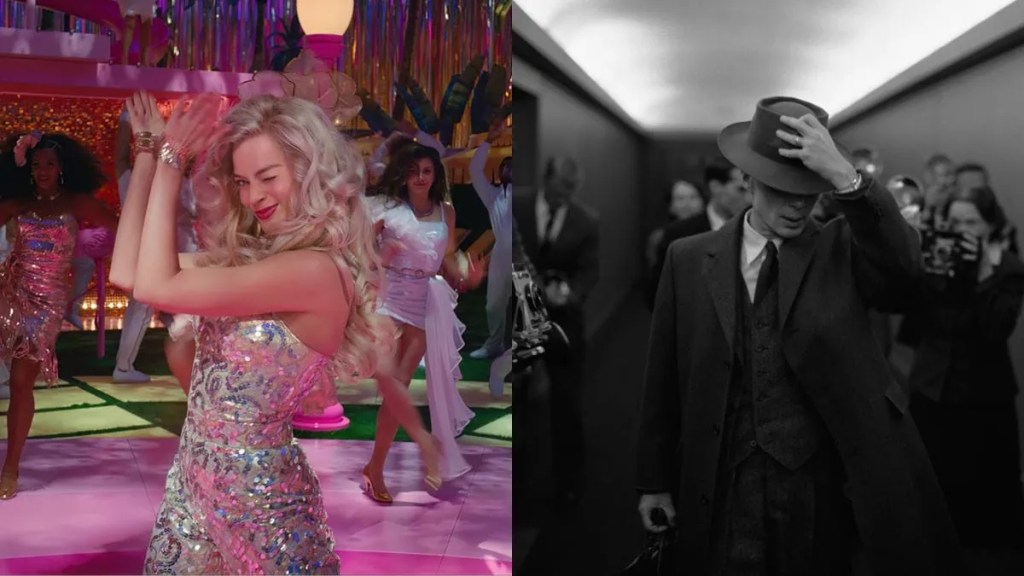

For Barbie, imagine $500 million just in the U.S. plus more than $1 billion worldwide. For Oppenheimer, imagine $700-$800 million worldwide, one of the biggest biopics ever made.
And with the WGA and SAG-AFTRA strikes going on, both Barbie and Oppenheimer may also be the last big budget hit films for the rest of the summer, if not the year.
I really hope the insane success of Oppenheimer thus far emboldens Paramount to go all out on pushing and marketing Scorsese’s Killers of the Flower Moon this fall – another 3 hour epic, with major stars, a marquee director, but most of all an important subject matter.
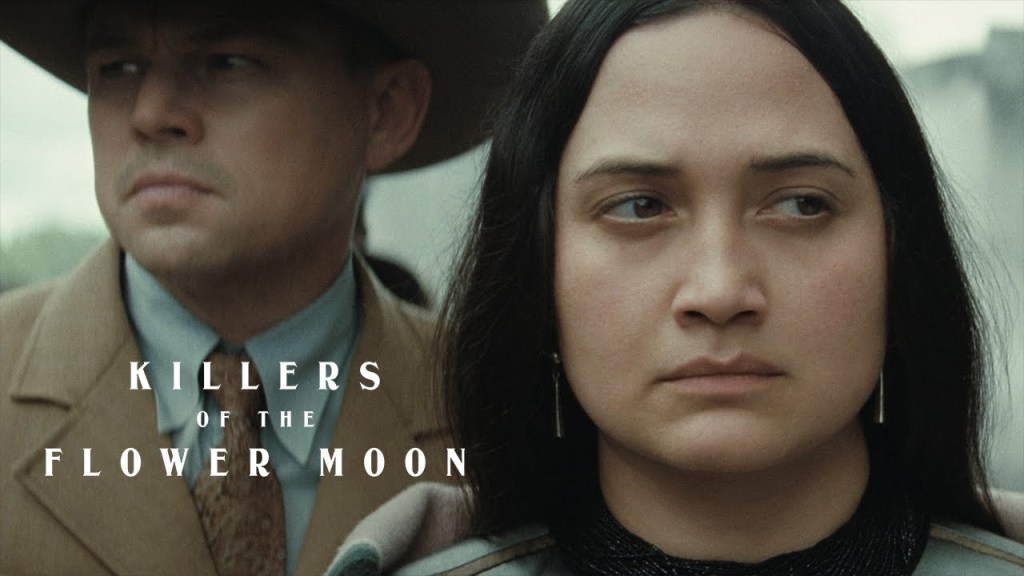

My hope from the massive successes of Barbie and Oppenheimer is that conventional wisdom of what a blockbuster can also be is rethought. Maybe there is a way to re-engage that portion of the public who swore off theaters for the comfort of their couch.
Yes – core movie-going audiences will still see franchise and formulaic movies – but clever, thoughtful stories done well can be BIG blockbusters too, and can be worth taking a chance on.
-
Tom Cruise’s latest Mission Impossible opens to $79 million – but why didn’t it open bigger at the box office?
The last time I wrote in this blog, it was last year, as Top Gun Maverick was soaring past $700 million in the U.S. I asked the question then, “Can Tom Cruise be stopped?”, and, well, the answer to that question might exist sooner than I thought.

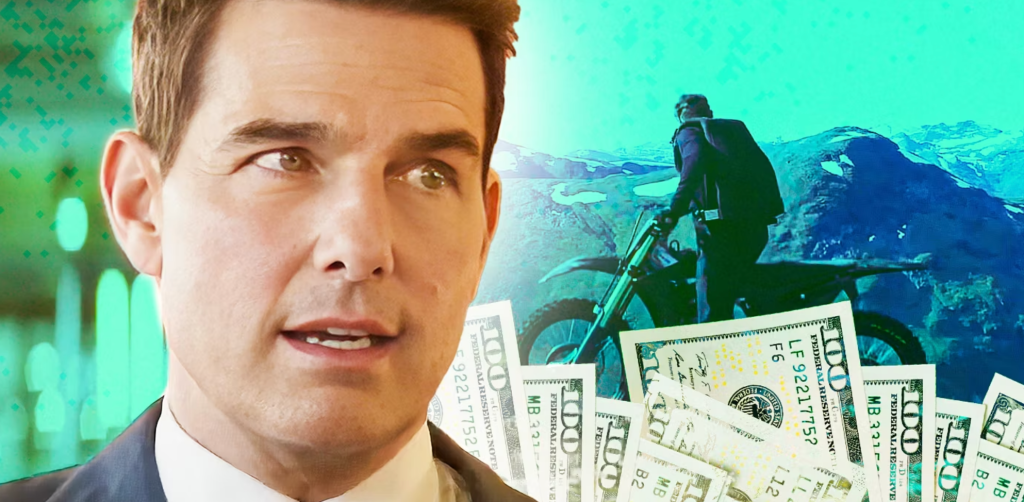
Tom Cruise’s latest Mission Impossible film opened with “just” $235 million worldwide, $78.49 million of which is coming from the U.S.
In hindsight, it was hyperbolic of me to expect this to open to $125 million and $300 million+ worldwide.
But everything was here for Mission Impossible: Dead Reckoning Part 1 to open BIGGER. Amazing reviews, check! Amazing audience reactions, check! Franchise goodwill, check! Tom Cruise is also near a career-high right now.
I’m here to offer 3 reasons why Tom Cruise’s latest didn’t perform the best.
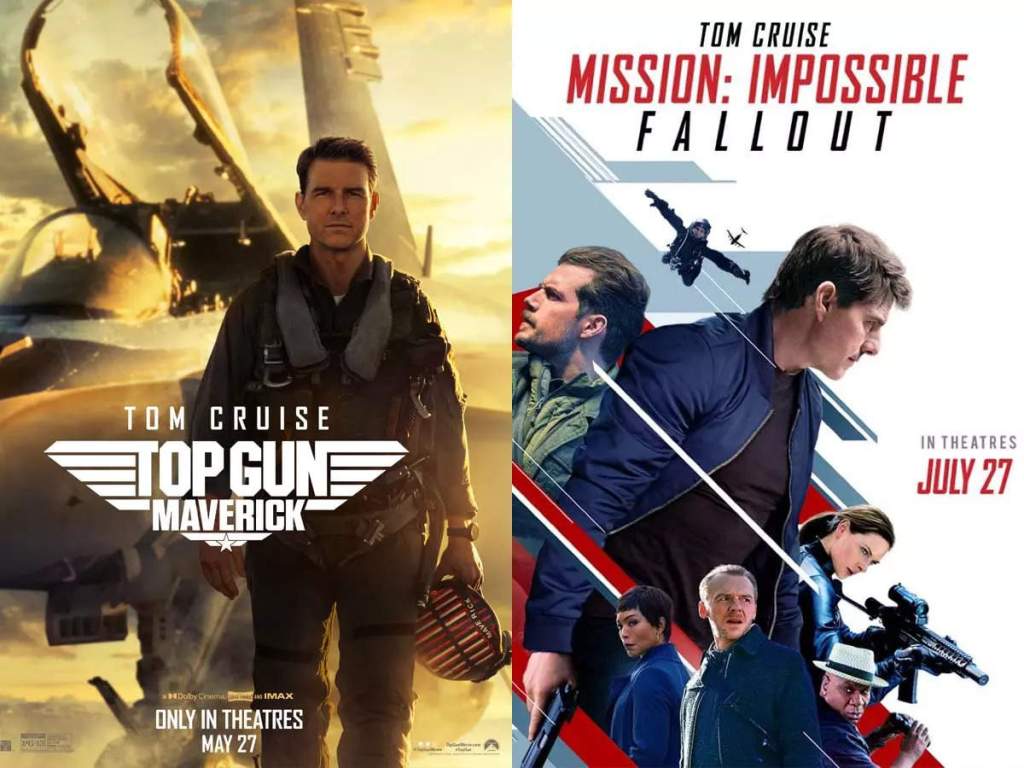
REASON #1 : LITTLE NEW TO OFFER, AS A TOM CRUISE FILM
It was unrealistic to expect this new Mission Impossible to receive a bump after Top Gun: Maverick last summer.
Unlike that sequel to a singular film from 1986, this is the 7th installment (!!) of a franchise which was already revived, and hit a critical/commercial peak already with the last film Mission Impossible: Fallout in 2018.
Now 7 movies in, we can count Tom Cruise has done over 12 Karate-chop running scenes, over 7 180-degree-turns with a motorcycle , and countless deadly stunts to show Tom Cruise and his constantly impressive “death wish”.

How many times has Ethan Hunt’s character been told the world will end if he doesn’t succeed? And that “nothing matters more than THIS mission”?
In short – despite how thrilling it still is – there’s nothing new, except even crazier stunts.
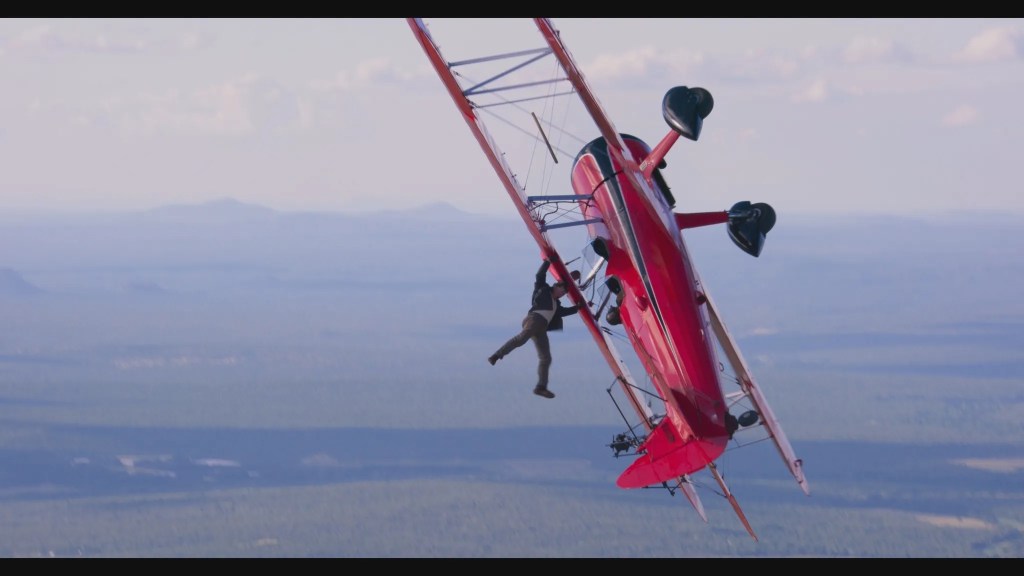

REASON #2: BUDGET IS WAY WAY TOO EXPENSIVE!
MI7 is falling victim to so many other blockbuster movies these days – they are way too expensive to justify the box office.
Yes – the box office for many movies these days looks high, but in order to break even, the expected box office should be at least 2.5x the budget. (this is based on marketing costs, and the fact that theaters take 1/2 the box office)
I call these 2023 films: “Disappointments in relation to costs”. See below for recent blockbusters, which all had astronomically high budgets due to COVID-related issues during filming.
These films all could have made money, if they had cost less.
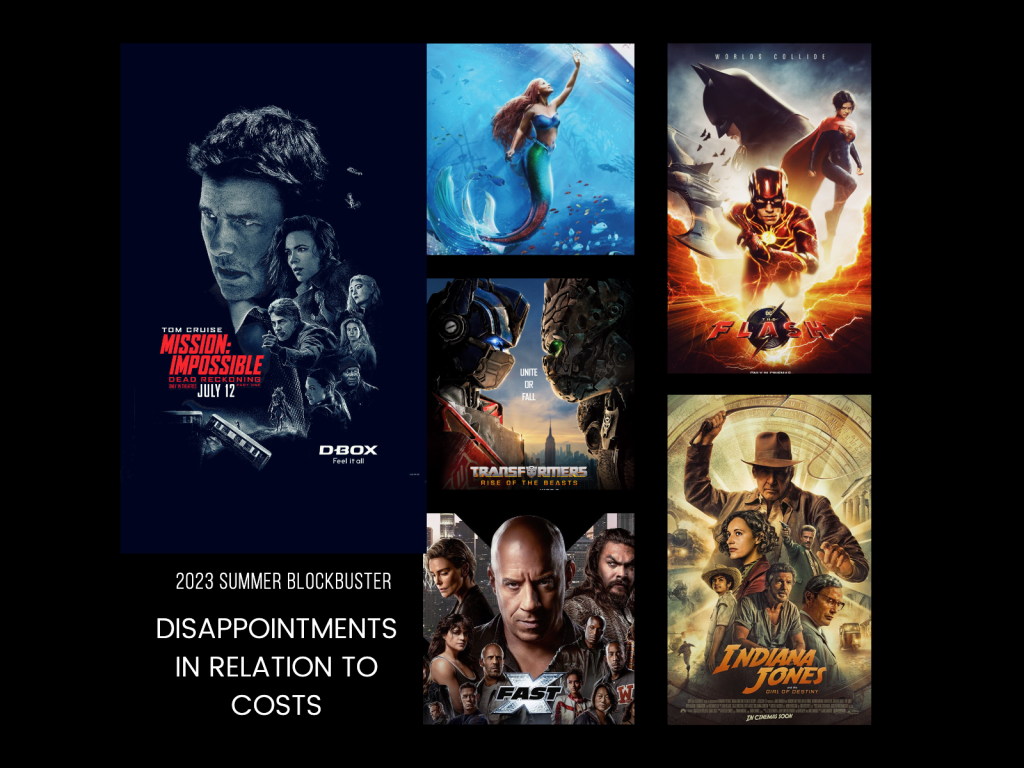
MOVIE BUDGET ESTIMATED BREAK EVEN # (BASED ON 2.5x RULE) WORLDWIDE BOX OFFICE RESULT The Little Mermaid $250 million $625 million $575-600 million DISAPPOINTMENT ($25-50 million loss) Transformers: Rise Of The Beasts $200 million $500 million $450-475 million DISAPPOINTMENT ($25-50 million loss) Fast X $340 million $825 million $700-$725 million FLOP ($100-$125 million loss) The Flash $220 million $550 million $250 million FLOP ($200-300 million loss) Indiana Jones: Dial Of Destiny $300 million $750 million $450-500 million FLOP ($250-300 million loss) Mission Impossible: Dead Reckoning $290 million $725 million ? ? So you might wonder: are studios just over estimating their box office? And could they get just as “good” a movie if they made something less expensive and more realistic?
In the end based on its opening, MI7 should end with around $700-750 million worldwide.
It will probably break even – but that’s not the way Tom Cruise is supposed to roll.
REASON #3: TOO MANY OTHER MOVIES / COMPETITION
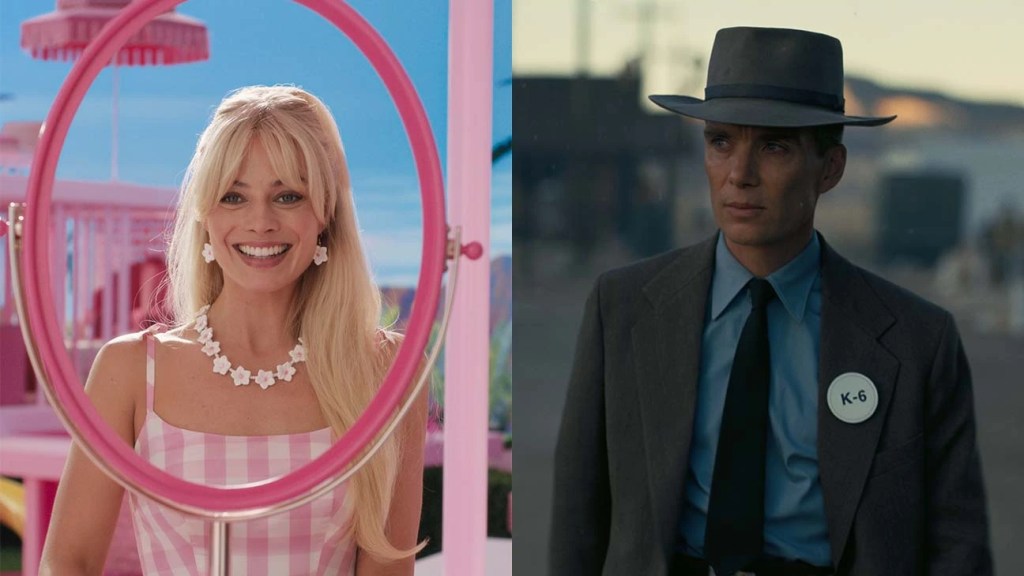
Let’s address the Barbie-Oppenheimer elephant in the room. All the hype right now is around those two movies, and the industry is expecting a combined $200 million opening next weekend for the combined two films.
No matter how great Tom Cruise’s 7th film in this franchise is, both Barbie and Oppenheimer are so unique, different, and intriguing to adult audiences, that they’re sucking up all the air in the theater.
Coming out right after Indiana Jones 5 isn’t helping, as well as the new conservative anti-human-trafficking film Sound Of Freedom. Both of which will likely earn $150-$175 million each in the U.S.
Too many adult action thrillers playing in theaters right now.

Long story short, which ever Paramount Studios executive chose to place this Mission Impossible into this incredibly crowded release date really dropped the ball.

To end things on a positive note: because Dead Reckoning is a Part 1, the pieces are there for Part 2 to earn more!
These last two Mission Impossible movies were SO well loved (‘A’ grade audience scores for MI6 and MI7, both the highest in the series), that if MI8 opens with less competition, audiences will absolutely show up again.
Plus, maybe bring back Jeremy Renner, Michelle Monaghan, or flashbacks from Rebecca Ferguson, and everyone from the old movies to help Tom Cruise fight this final mission! There are ways Tom Cruise could still end this story strong.
As for next week, expect the biggest weekend at the movies all year!

Warner Brothers’ Barbie opens, as the default “event movie of the year” for women. And who can blame them?
The director (Greta Gerwig) and cast (Margot Robbie, Ryan Gosling) look like they’re having a ton of fun, and the marketing campaign surrounding them has been nothing short of extraordinary.
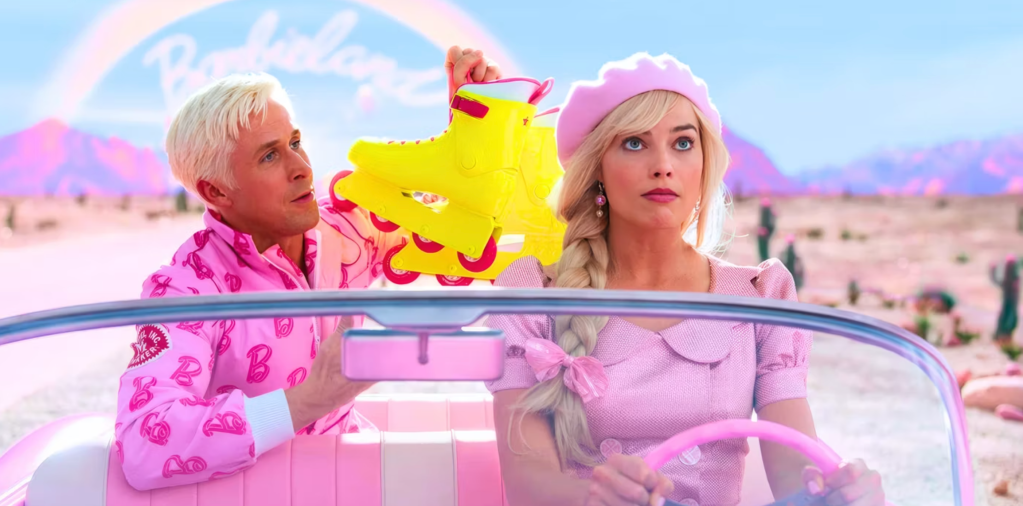
At first I thought it was crazy to expect an opening for Barbie over $100 million, but now after ticket sales have been so strong, a $150-$200 million debut would not surprise me!
There’s simply nothing else like this comedy in the marketplace.
Also coming out is tonally the exact OPPOSITE film from Barbie, Universal and Christopher Nolan’s Oppenheimer: an epic intense 3 hour WWII thriller, about the creation of the Atomic bomb.
The trailers have looked gorgeous yet horrifying, the cast is stacked (Cillian Murphy, Matt Damon, Emily Blunt, Florence Pugh, Robert Downey Jr.), the director Chris Nolan has a passionate fanbase, and the buzz is the film itself is an amazing achievement.
Expect a $50-70 million debut.
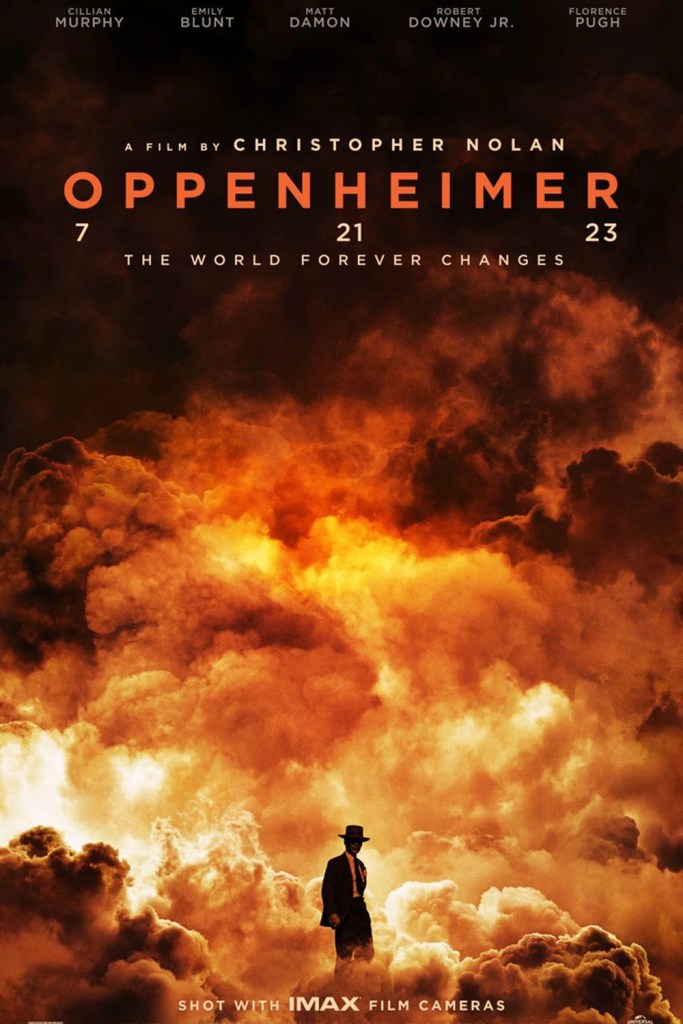
The fear though is that both Barbie and Oppenheimer will be such big hits, both so appealing to adults and moviegoers, that Mission Impossible may be left in the dust and drop 60%+ next weekend. We’ll see!
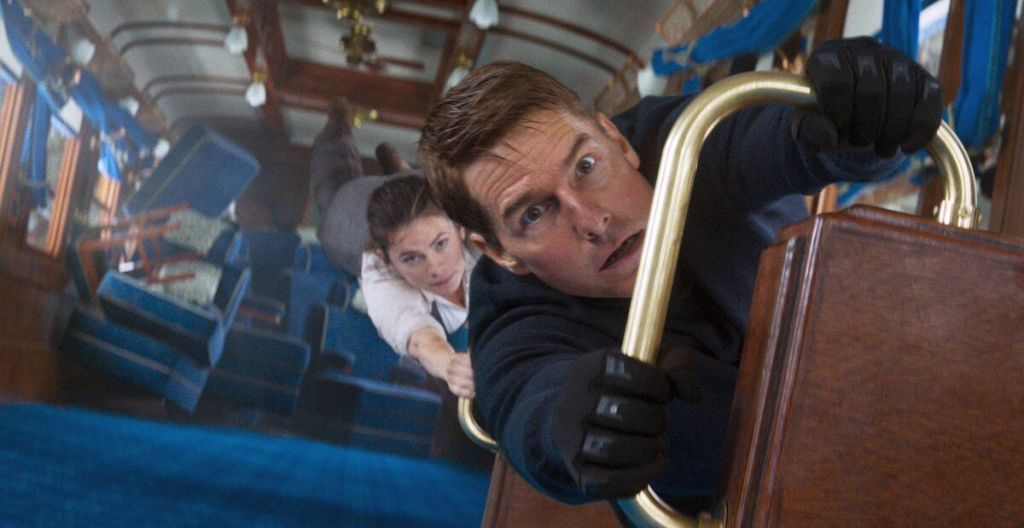
And that’s it for the weekend box office. What films are you still interested in seeing or hearing about?
I’m looking forward to writing again in this column next weekend.
-
DC Films Leadership – James Gunn and Peter Safran now CEOS – how did this happen, and what could this mean?
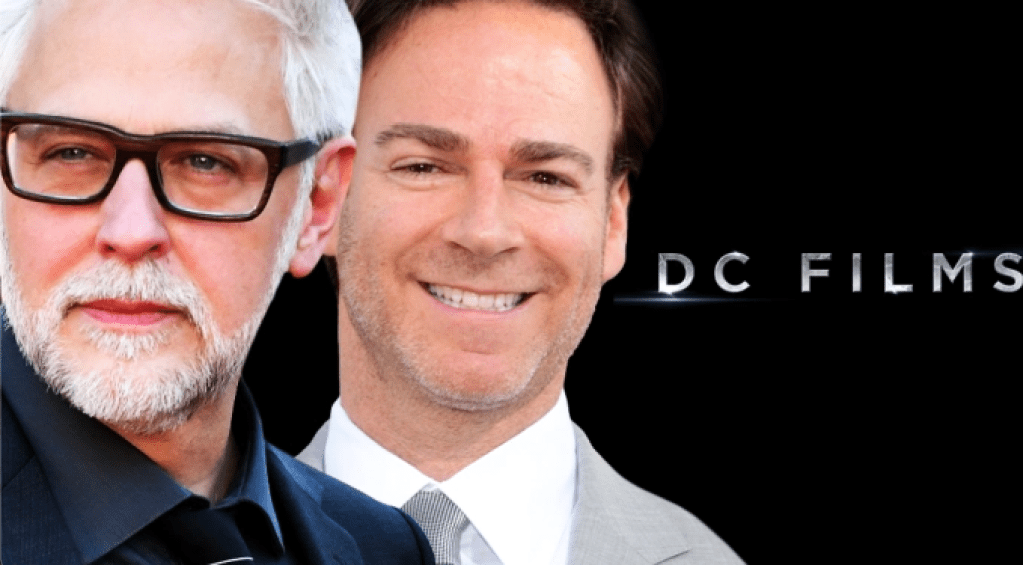
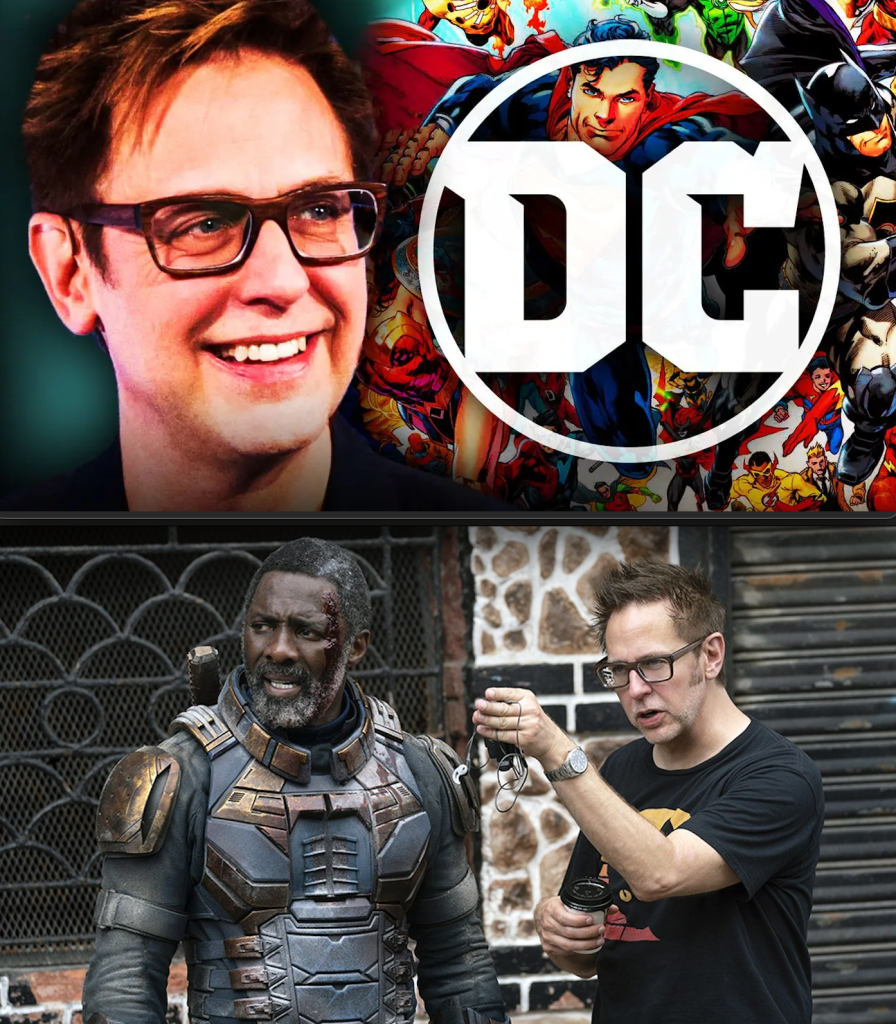
James Gunn is having a very great week this week (this news dropped as the trailer for his new Guardians of the Galaxy Disney+ special), which shows that perhaps getting FIRED from Disney 4 years ago, ironically, led to the best possible career jump Gunn could have ever had.
THE HOW:
You may already recall in July 2018, when the Guardians of the Galaxy filmmaker James Gunn was fired from Disney and Marvel, due to Tweets written by Gunn from years past which were seen as “too vulgar” and “immature” for Disney’s brand.
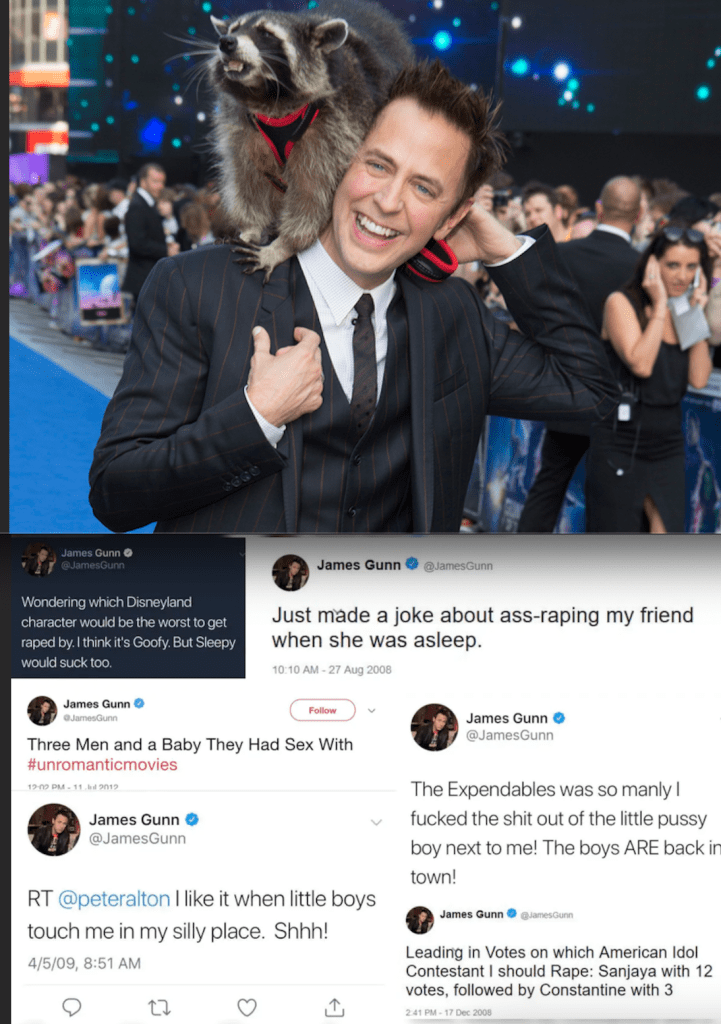

Many fans and cast members begged Disney to reconsider, resulting in the studio and its execs eventually agreeing to hire James Gunn back after a month.
But during that month of absence, the filmmaker allegedly became disinterested in Marvel, only promising to finish the Guardians of the Galaxy’s storyline, and nothing more. Can you blame him?
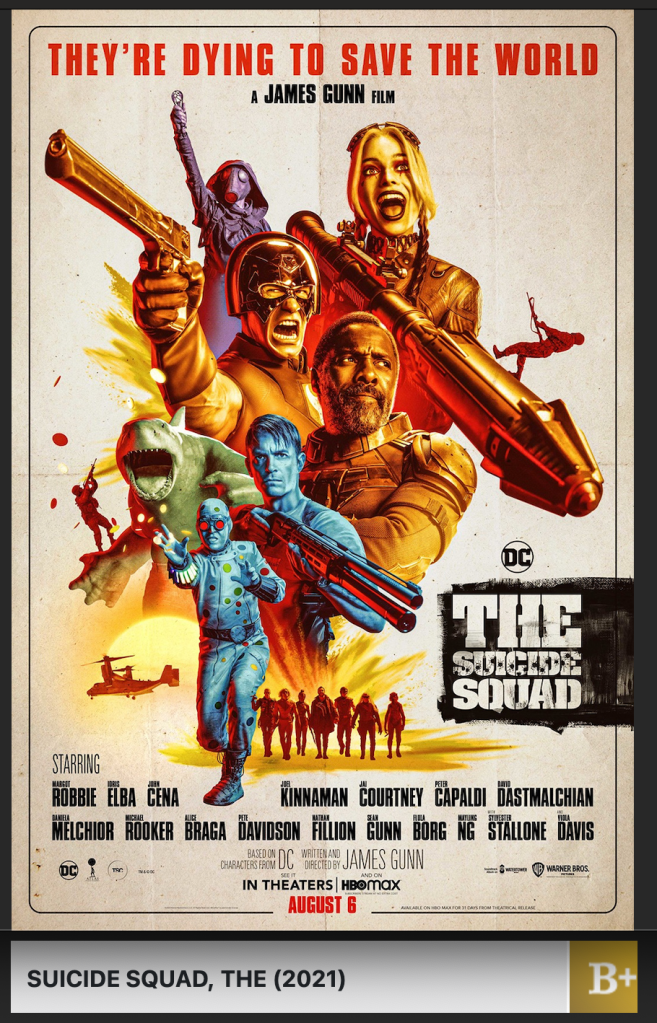
After James Gunn was fired, he was very quickly picked up by Warner Bros. who immediately signed him on to direct DC’s The Suicide Squad. While the film bombed, it opened to critical acclaim (90% Rotten Tomatoes), and was the best reviewed DC project in years.
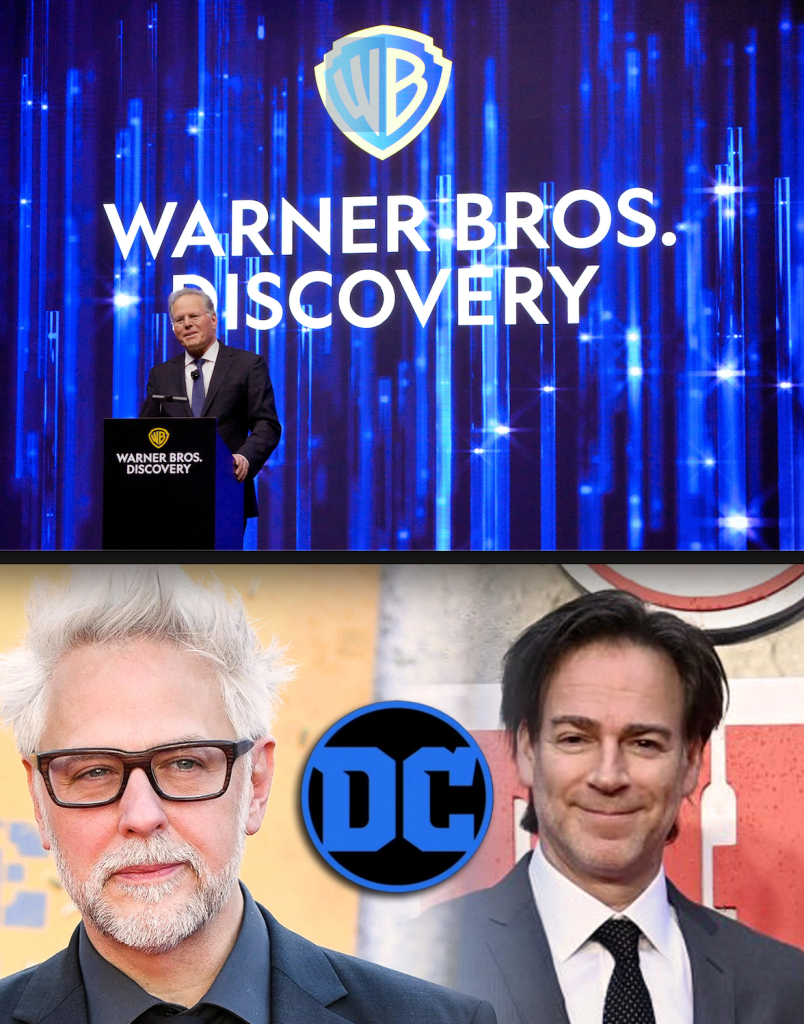
Now jump to today, and James Gunn has produced a few successful DC shows (Peacemaker + Harley Quinn The Animated Series), along with his life-long producing partner Peter Safran, seen on the bottom photo on the right. Both Gunn and Safran have earned so much goodwill from Warner Bros. that their CEO David Zazlav, seen in the top image, has just signed them on for a 4 year contract, as co-CEO and Co-chairmen over DC Studios.
This is a massive deal for the studio, even if the core talent essentially remains the same.
Warner Brothers’ CEO David Zazlav has made no secret that he’s desperately been looking for showrunners to produce the next 10 years of DC storylines and films, as Kevin Feige has done so successfully with Marvel.

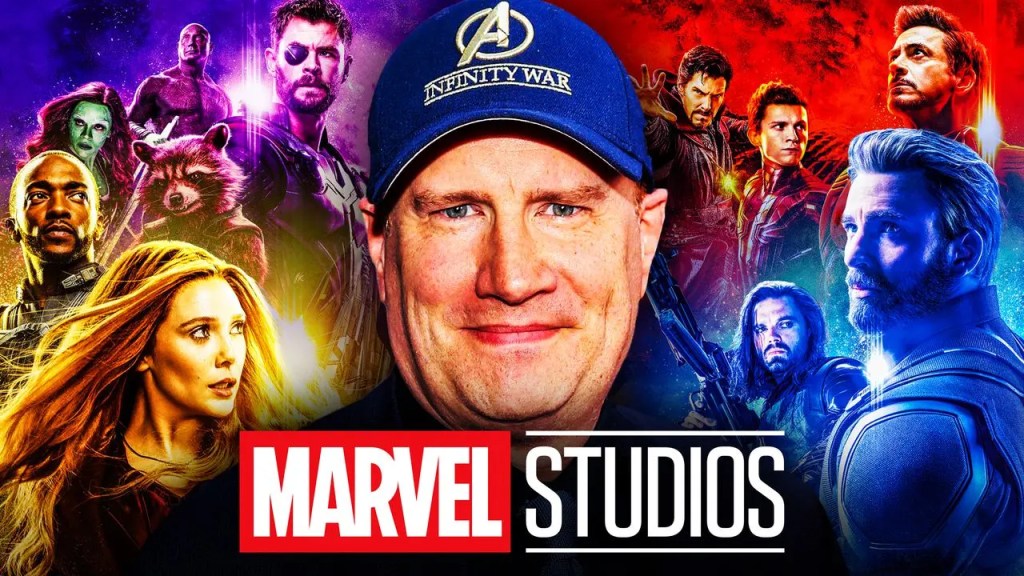
Personally, I don’t think James Gunn will be as successful as Kevin Feige, as there’s still too much baggage around DC, compared to Marvel. But James Gunn will soon have Kevin Feige’s level of exposure.
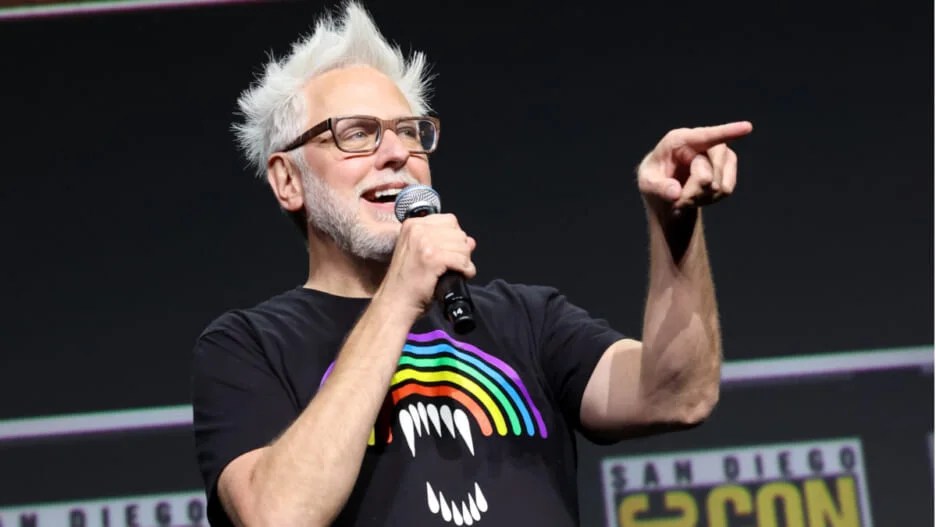
James Gunn will be there to appear at every Comic Con presentation, every premiere red carpet, and every press junket for every DC project going forward.
Let’s just hope James Gunn hires a very good publicist to watch what he says. Because as we’ve seen from his previous tweets, Gunn can be pretty vulgar and crude sometimes when saying things off the cuff.
I’m also hoping future James Gunn / Peter Safran projects are capped at $100 million, as every artist had their creative limit.
Just look at James Gunn’s own The Suicide Squad, which while well-received well by critics, the film was too expensive ($185 million budget) and earned practically no money ($168 million worldwide + HBOMax) to earn any profit.
General Audiences who saw the film gave it a “B+” Cinemascore, indicating a mixed but positive reaction. The TV shows which he later produced (Peacemaker and Harley Quinn) similarly received great reviews but only “so-so” streaming numbers.
Perhaps Gunn’s brand, and R-rated style and vision, might not be appealing for everyone or all DC fans. He has a a fun creative direction, and he clearly knows what characters he’s better at adapting (he himself admitted he couldn’t write many of DC’s female characters).
This just means we’re going to get more films like The Suicide Squad or Peacemaker, less like Wonder Woman or Batgirl. Whether this new focus translates to an expanding DC fan base remains to be seen.

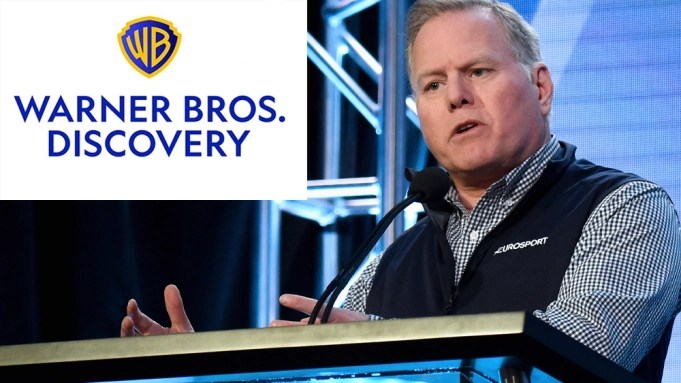
I think a very valid concern is Warner Bros. CEO David Zazlav: he has been selling off franchises and IP’s left and right, firing staffers, laying off the animation division, and restructuring up to $4 BILLION in content write-offs.
He is trying to make Warner Brothers as lean and mean and digestible as possible, so that Universal Pictures can acquire and buy the studio soon.
I believe the most important thing now is to give James Gunn and Peter Safran safety, or protection, from leadership changes and shifting corporate priorities, after Universal Studios takes over DC and Warner Brothers in a few years.
POTENTIAL COLLABORATIONS with filmmakers in DC projects

More Dwayne Johnson?
Even after Black Adam had a solid start at the box office just last week, opening to $140 Million worldwide, it’s doubtful that The Rock would be immediately willing to work with Gunn.
Both are incredibly self-promotional, and personal with their respective brands, have had no history working together, and it’s very likely The Rock wasn’t privy about the James Gunn deal at all! He might not have wanted Gunn in charge.
I say give this relationship time to breathe.
Zack Snyder / “The SnyderVerse”
Yes, Zack Snyder still has a small but vocal fanbase, who loves his work and constantly yells online for Zack to continue making DC projects, within his (amusingly titled) world: “The SnyderVerse”.
But based on Snyder’s personal history, and the films themselves (Man of Steel, Batman v Superman, Justice League), and the negative reactions they each received from both Warner Brothers and a lot of audiences/DC fans, I still think Snyder’s return as a DC filmmaker is too soon.
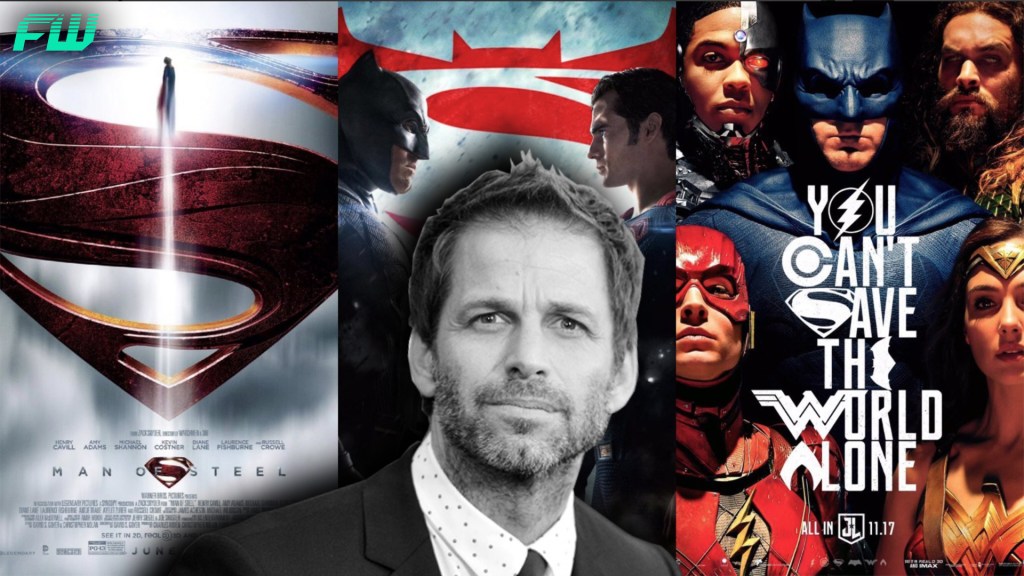
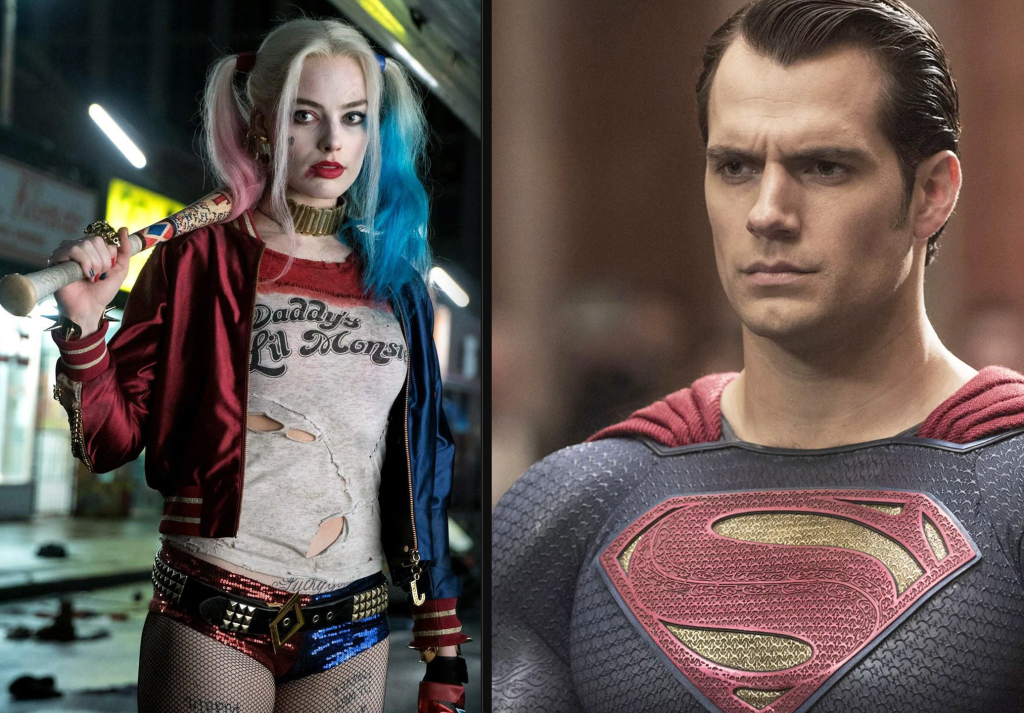
So while Snyders return as a DC filmmaker is too hard to tell, I believe James Gunn will build upon the world that Snyder created.
Margot Robbie will stick around as Harley Quinn, and Henry Cavill is fantastic as Superman (even if I’d argue that his portrayal as Clark Kent could use some work), and he has fans excited after his return in Black Adam.
James Gunn would be wise to keep them both.
Christopher Nolan
Recall back in 2020: after Nolan’s own film Tenet underwhelmed, and the studio Warner Brothers announced they would premiere all their upcoming films on HBOMax (without telling any filmmakers), Nolan decided to quit and leave Warner Brothers.
After 18 years of working under the studio, producing hits from Inception to The Dark Knight Trilogy, Nolan fled to Universal Pictures.

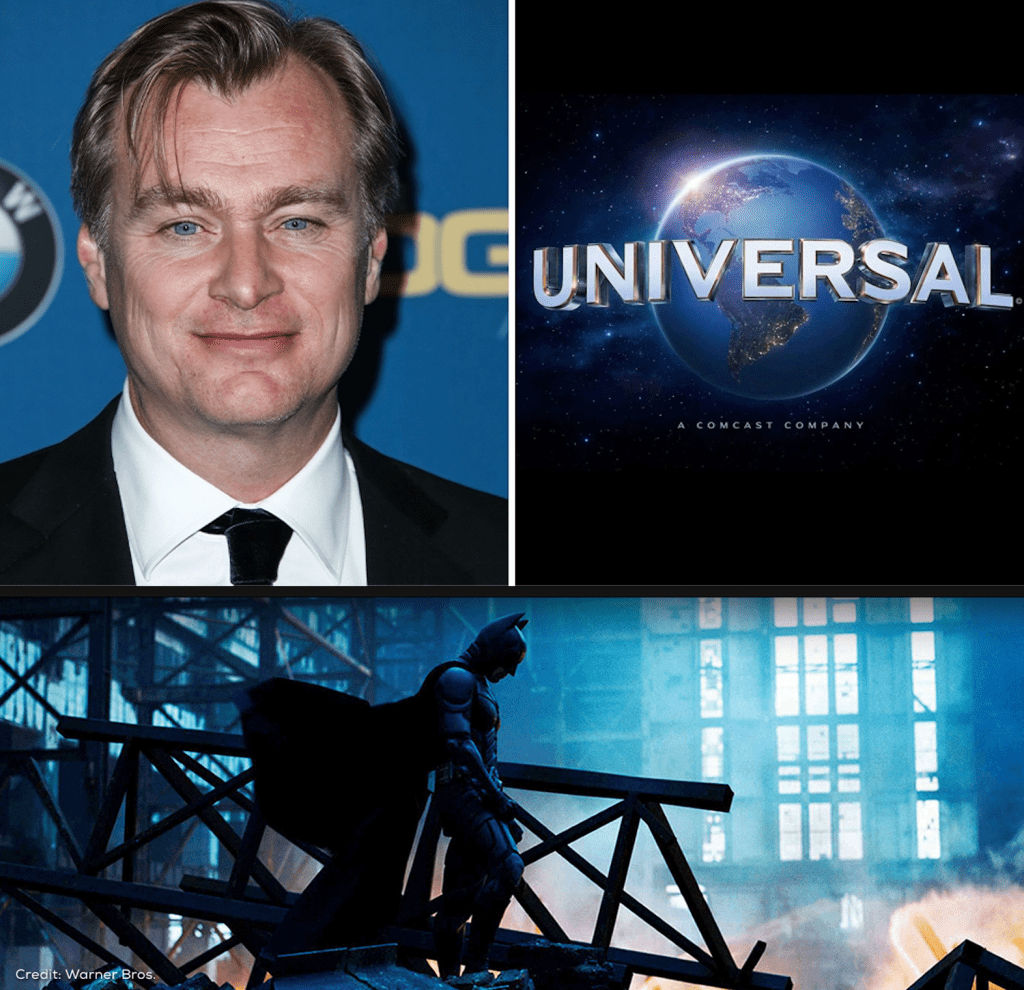
Now is it possible in a few years, under new management from Universal Pictures, that Nolan might be more inclined to return to make more superhero blockbusters under DC, like The Dark Knight? It’s very well possible.
But would Christopher Nolan even want to?
Marvel crossover?
Now this it would be quite the feather in James Gunns’ cap, if he could pull this off. James Gunn has mentioned for years that merging these two superhero universes would be an amazing sight to see, even if a merger of this size would take more than 10-20 years to pull off. But man, imagine!If Marvel’s quality somehow takes a nose-dive over the next 5 years, and DC’s rises back up, then an in-universe merger could be in the cards. As always, we’ll see…
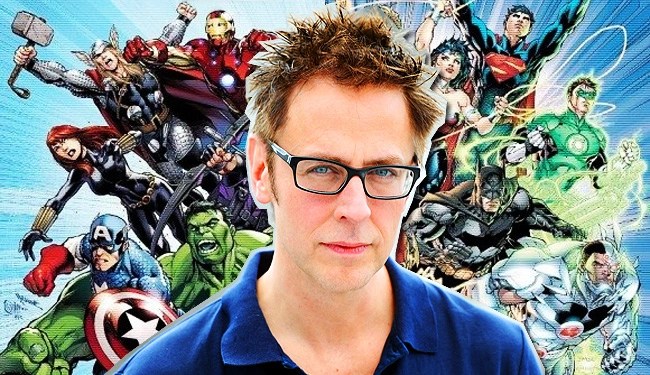
-
Studios Winners and Losers: Before and After COVID
With no new blockbuster releases planned for the next few weeks, I thought it would be fun to take a moment to breakdown how the box office is so far for 2022, and to compare the 4 major studios (Paramount, Universal, Warner Bros and Disney).
So let’s compare their performances from 2019 (the last “normal” year), including money, reception, and expectations, to now.

PARAMOUNT STUDIOS
(a redemption story )
WAS in 2019: C-/C
NOW in 2022: A
Even before 2019, it has been a rough decade for Paramount. They sold off their biggest franchises (Marvel & Dreamworks Animation), and their own big franchises bombed (Transformers, Star Trek, G.I. Joe, Teenage Mutant Ninja Turtles, etc.) , as the characters and top-of-the-line spectacle were seen as weak, compared to the more popular Star Wars or Marvel or Fast and Furious films.
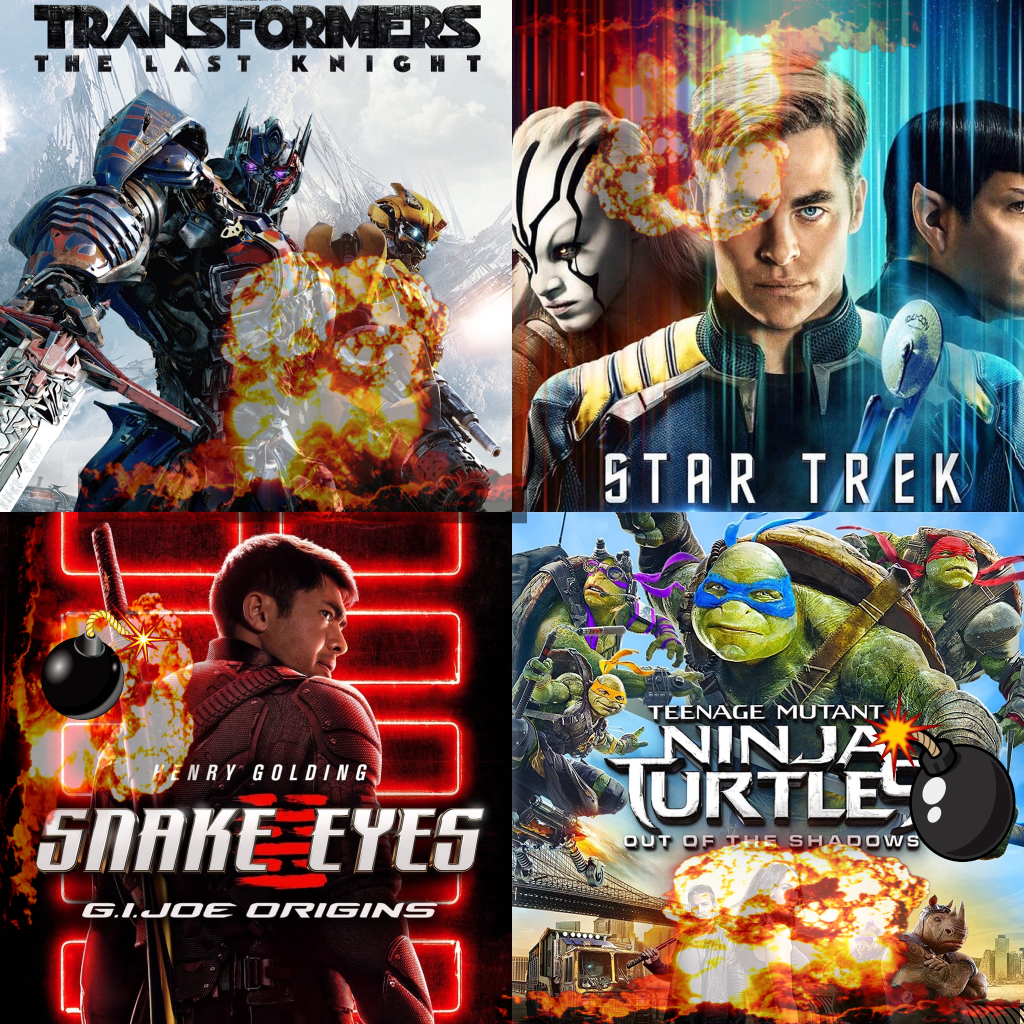

But NOW in 2022, Paramount is officially king of the world again! In 2019, Paramount only earned $1.35 billion. Top Gun Maverick alone has earned $1.38 billion.
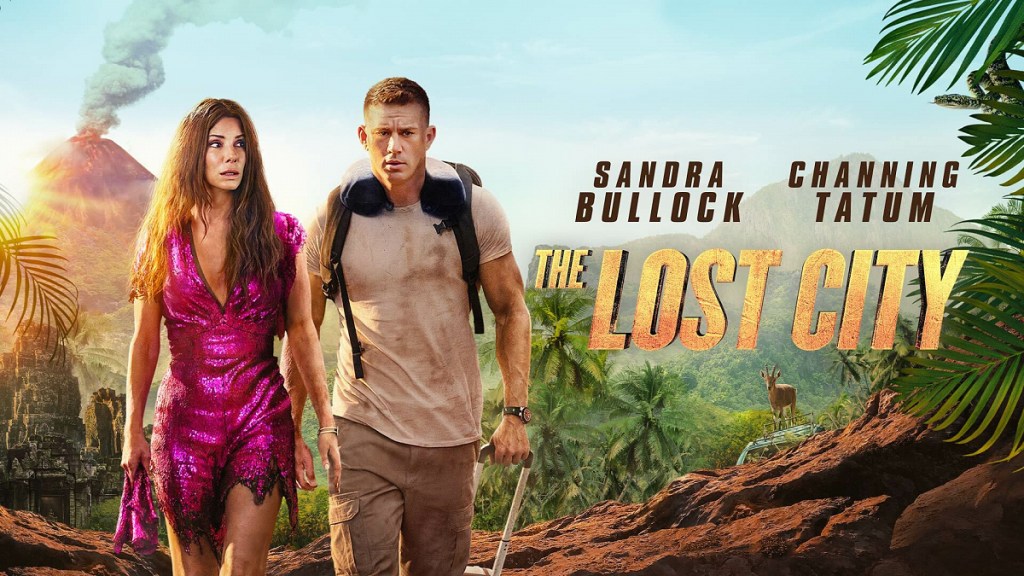
The studio isn’t 100% depending on pre-existing franchises, as The Lost City was a solid original hit ($190.8 million global).
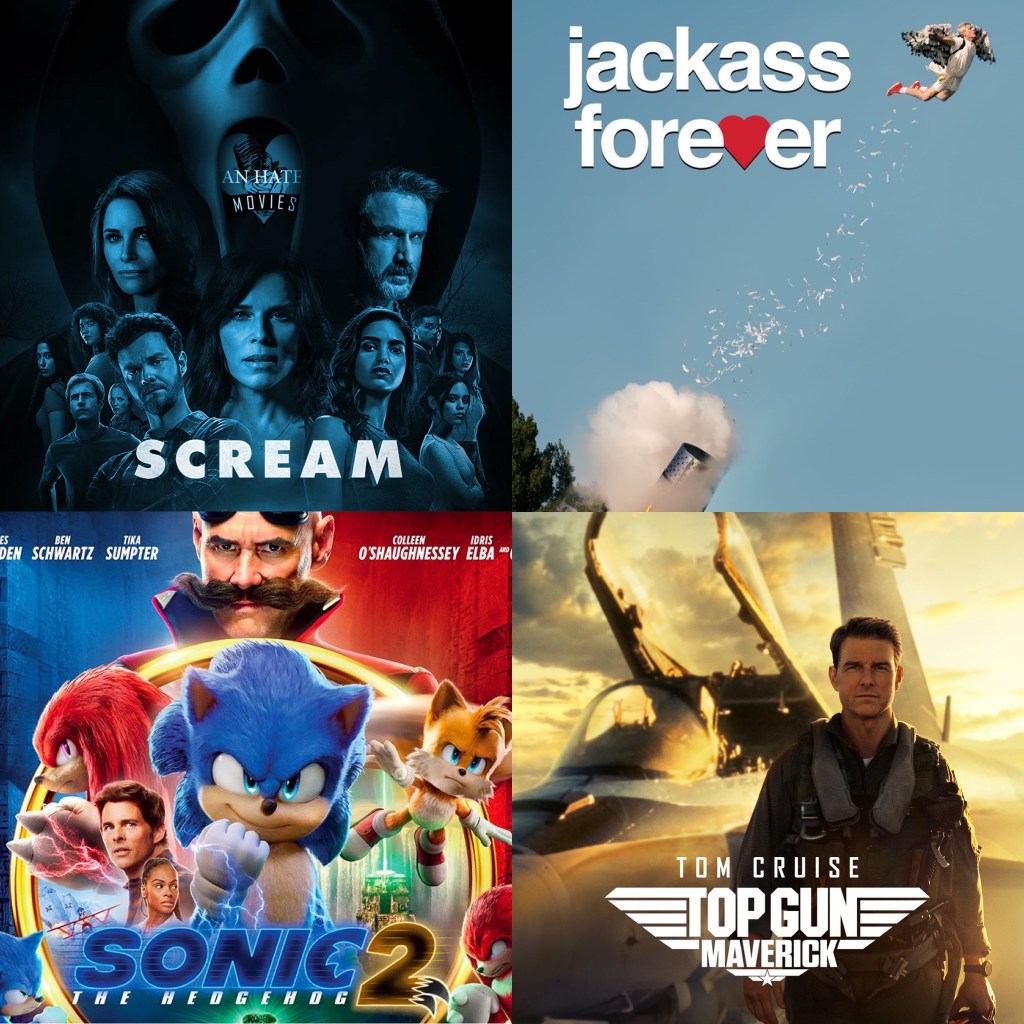
But all of their sequels are doing better than their previous movies, as well as just better than expected. (Scream 5 with $140 million Global, Jackass Forever $80.3 million, Sonic the Hedgehog 2 $401.8 million)
Each of these were received well by critics and audiences, and had long legs.
The best example though is Top Gun Maverick. Not only did it earn more ticket sales than the first Top Gun (even adjusted for inflation), but it just passed Titanic as Paramount’s highest grossing film ever!
Paramount has clearly found great success from Tom Cruise’s movie-star charisma, working with him and his business partner/ writer/filmmaker Christopher McQuarrie for quite a long time.
Paramount is also looking for new relationships and signing new deals with movie stars like John Krasinski, and Ryan Reynolds.
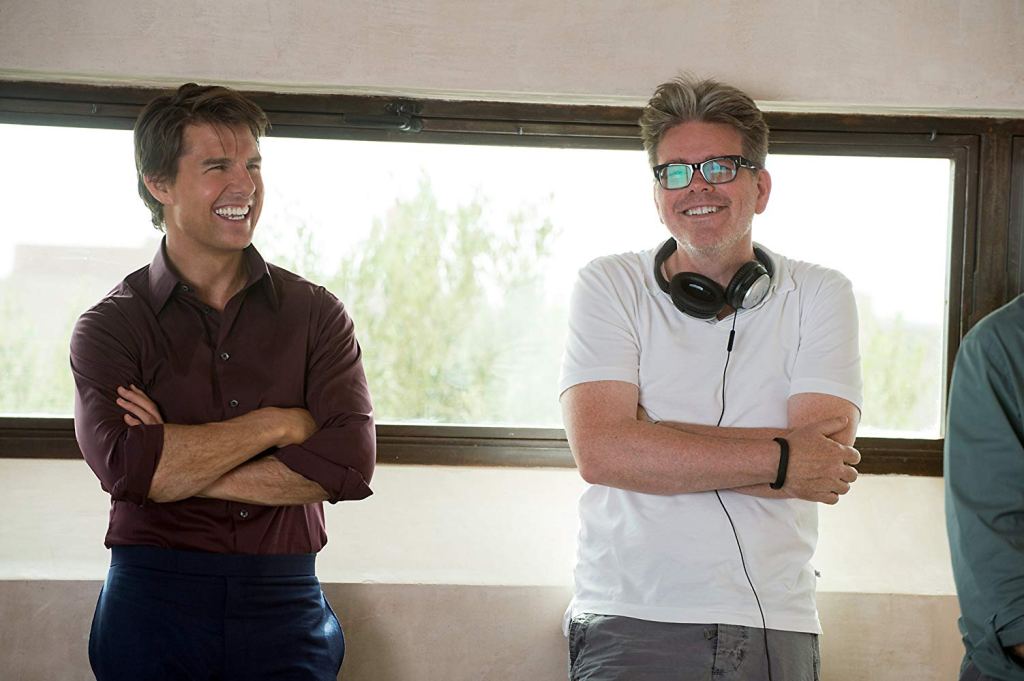
Maverick is right now the biggest “part-two” sequel ever, and should end with $1.45+ billion. Your move, Black Panther: Wakanda Forever and Avatar: The Way of Water! Both those sequels will be released by Disney this holiday season.
With this hot streak, hopefully Paramount can keep this up with their continuing franchises, and strong relationships with actors and creative filmmakers.

UNIVERSAL PICTURES
(still rocking)
WAS in 2019: A-
NOW in 2022: A-
Before the pandemic in 2019, Universal had a couple of big blockbuster hits (Fast and Furious: Hobbs and Shaw, How to Train Your Dragon 3, Jordan Peele’s Us), well-received comedies (Good Boys, Yesterday) and some thrillers that underperformed (Glass, Ma, Black Christmas).
Now in 2022, Universal has more popular franchises with movies coming out, and is continuing their luck with original films from Blumhouse and Jordan Peele.
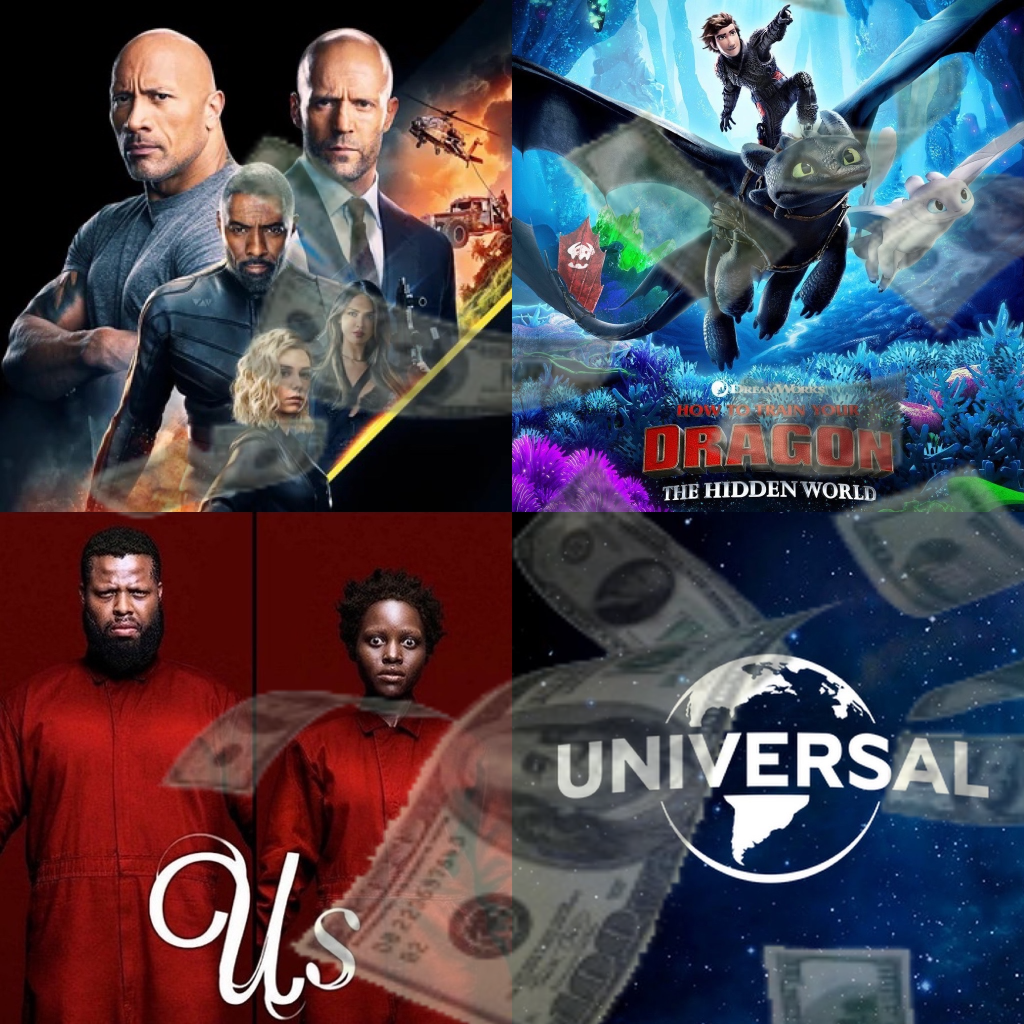
In 2019 through the entire year, Universal earned $3.671 billion. Through the first half of 2022, Universal has already crossed $3 Billion.

Universal had two blockbuster sequels that met expectations (Jurassic World 3: Dominion is nearing a billion [$975+ million Worldwide] despite the worst reviews/reception of the franchise.
Meanwhile Minions: Rise of Gru is expecting to end with over $800+ million worldwide. Even after over a decade or two, both franchises have characters and icons that still remain popular enough with today’s adults and kids (specifically, dinosaurs and minions).
Universal is also continuing their luck with distributing Blumhouse’s low-budget horror films. The Black Phone is at $155+ million worldwide, now the top horror film of 2022 internationally and globally, and is one of the biggest original Blumhouse films ever.
Another thriller, Jordan Peele’s Nope, should finish with $160-180 globally, which, while too expensive to be profitable in theaters (the budget was $69 million), should eventually break even on VOD and streaming.
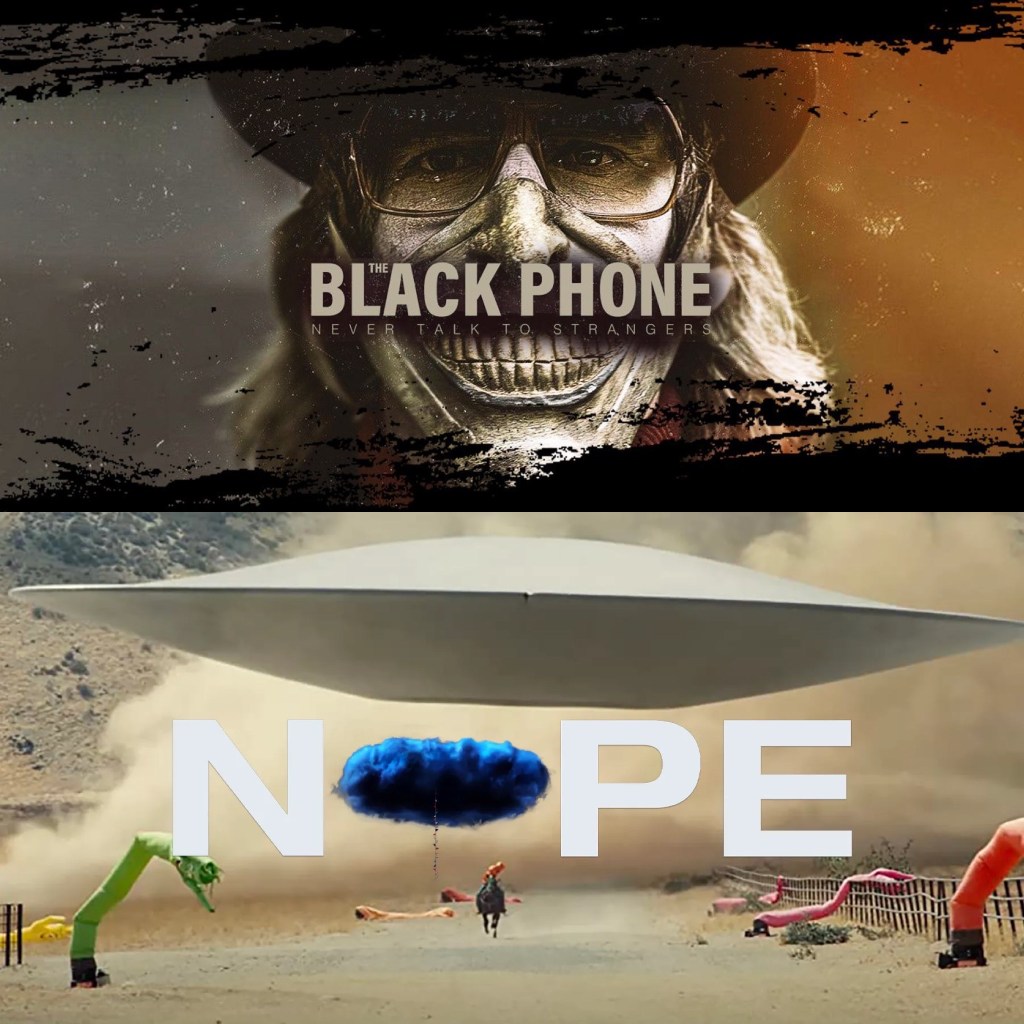
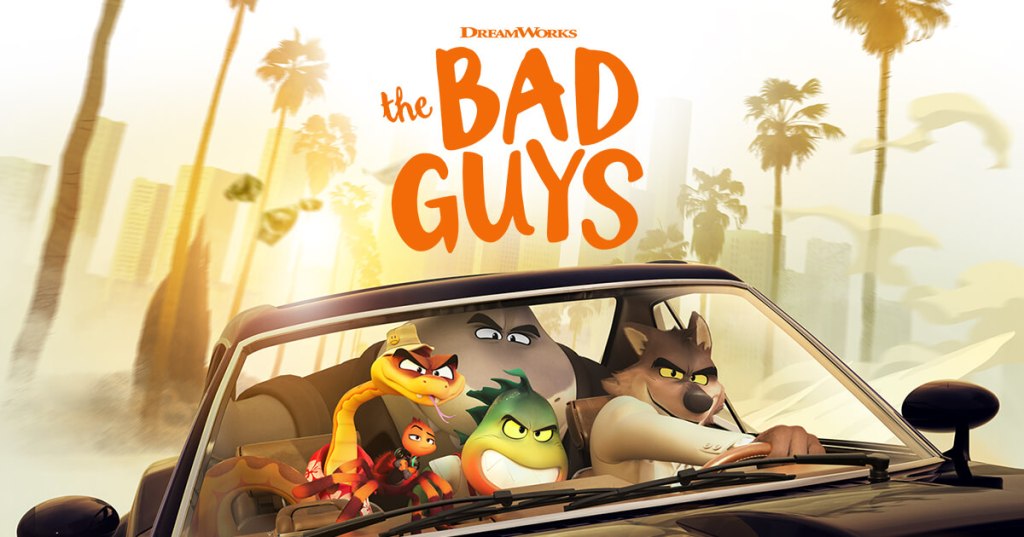
Another highlight at Universal is DreamWorks Animation’s The Bad Guys, with $246.8M worldwide.
The cartoon was very well-reviewed and well-received, staying in the Top 10 U.S. Box Office for 10+ weeks.
Overall, Universal is still rocking up big numbers and box office successes, with strong potential relationships with filmmakers and talent.
WARNER BROS./ DISCOVERY
(frenetically figuring it out)
WAS in 2019: C+
NOW in 2022: C+
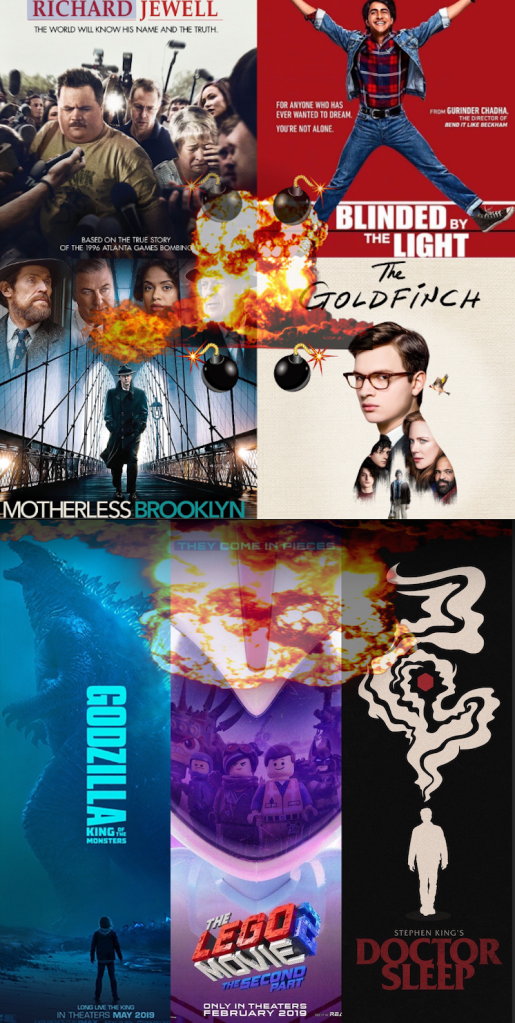
2019 was a mixed year for Warner Bros. They released several small old-school dramas, many of which underperformed or bombed (Richard Jewell, Blinded by the Light, Motherless Brooklyn, The Goldfinch), as well as sequels with tepid interest (Godzilla 2, Lego Movie 2, Doctor Sleep).
The only real solid success they had in 2019 was with DC films (Joker, Shazam).
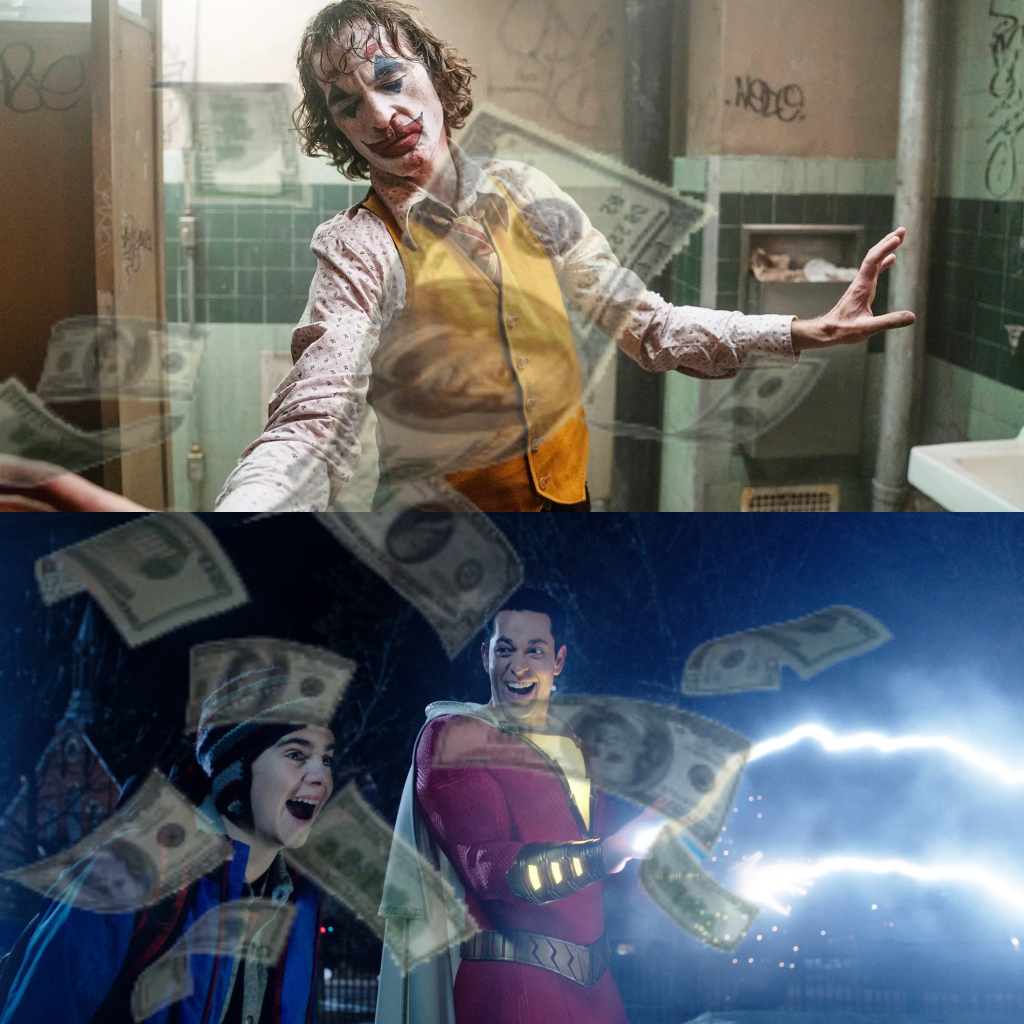
Fast forward to 2022: the theatrical movies are performing better (Batman, Elvis, Fantastic Beasts 3), however behind the scenes, Warner Bros./Discovery appears a mess. Films are being cancelled left and right, staff and titles are being axed at on HBOMax, while the future success of their DC films is still uncertain (The Flash, Batgirl).
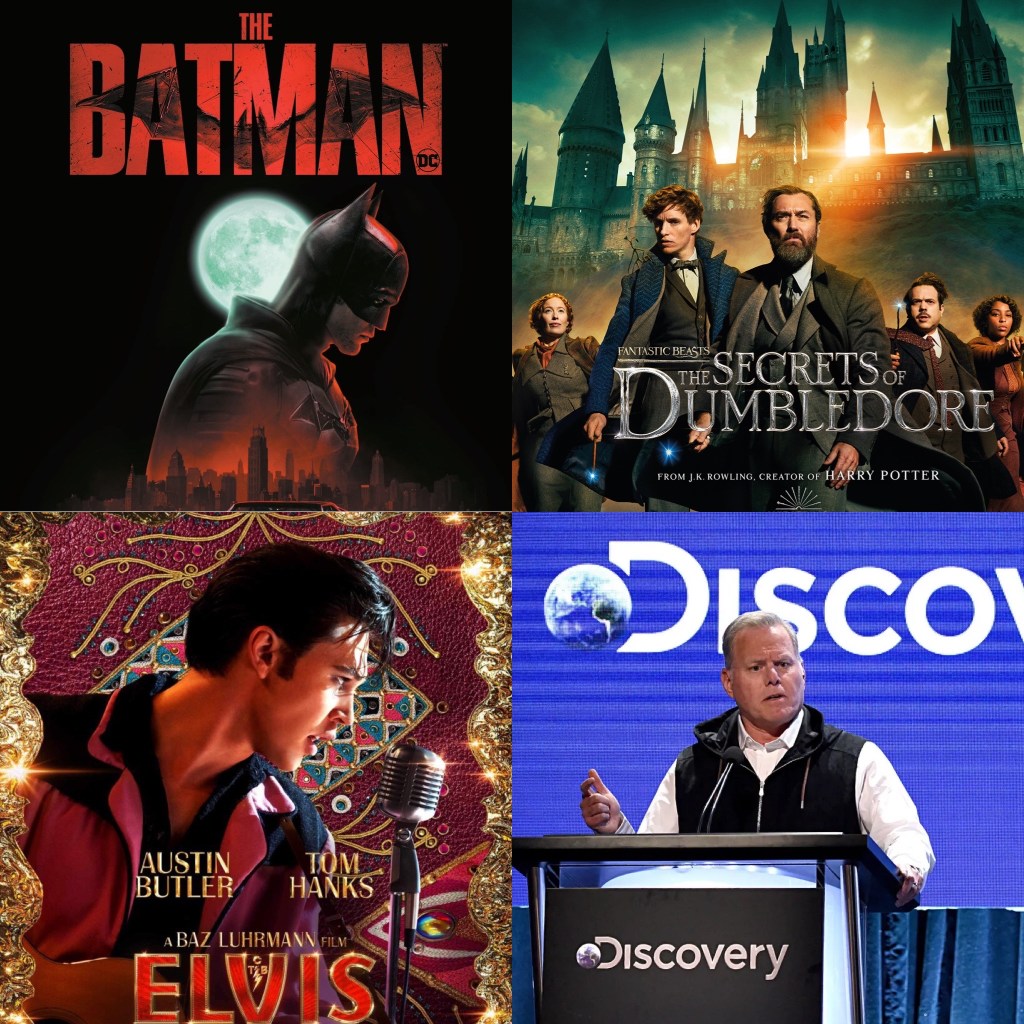
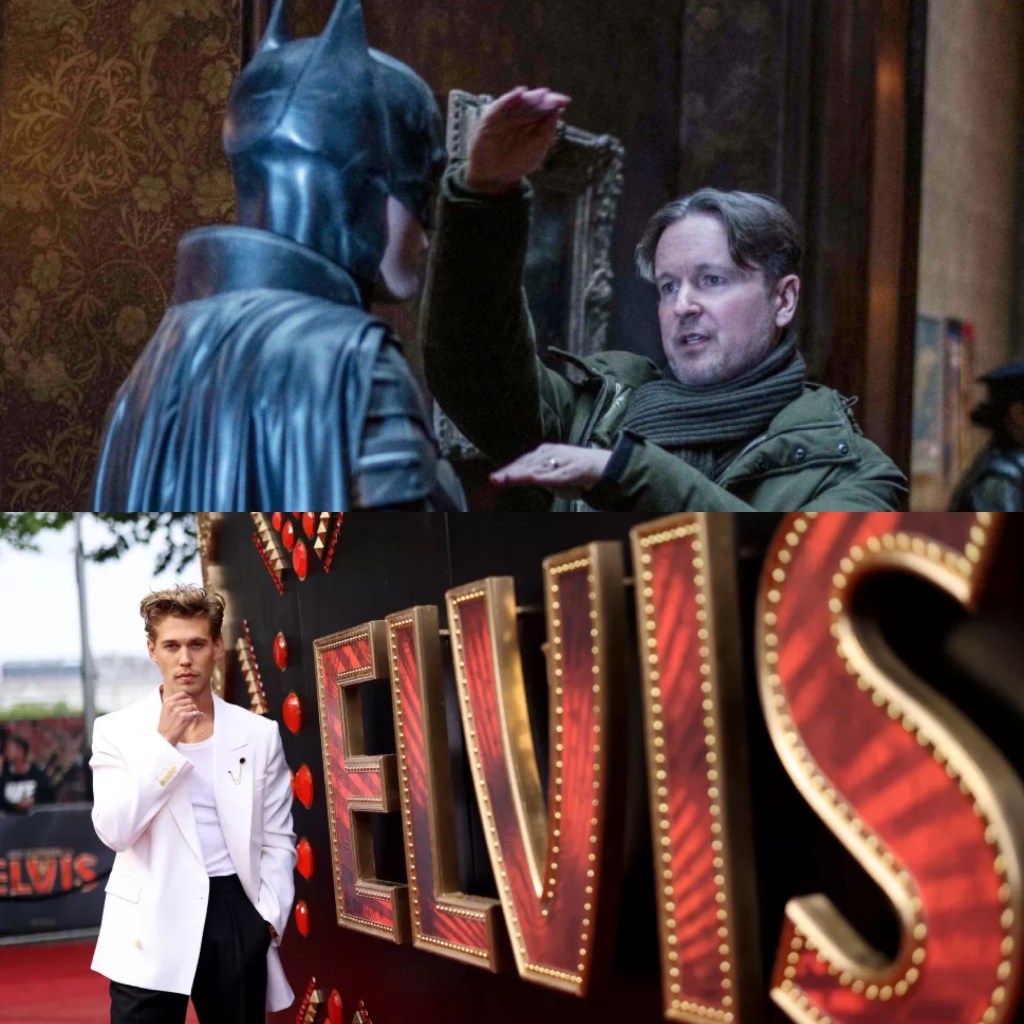
FIRST the good stuff. The Batman ($770 million global) was very successful and well-received (strong legs and SVOD sales) and should lead to a strong future relationship with Matt Reeves as filmmaker and director.
Elvis ($260+ million) has also been successful with long legs continuing throughout the summer.
NOW onto the bad/controversial. Fantastic Beasts 3 ($401 million global) was critically panned, the lowest Harry Potter movie ever and has effectively ended Wizarding World films at least for the near future.
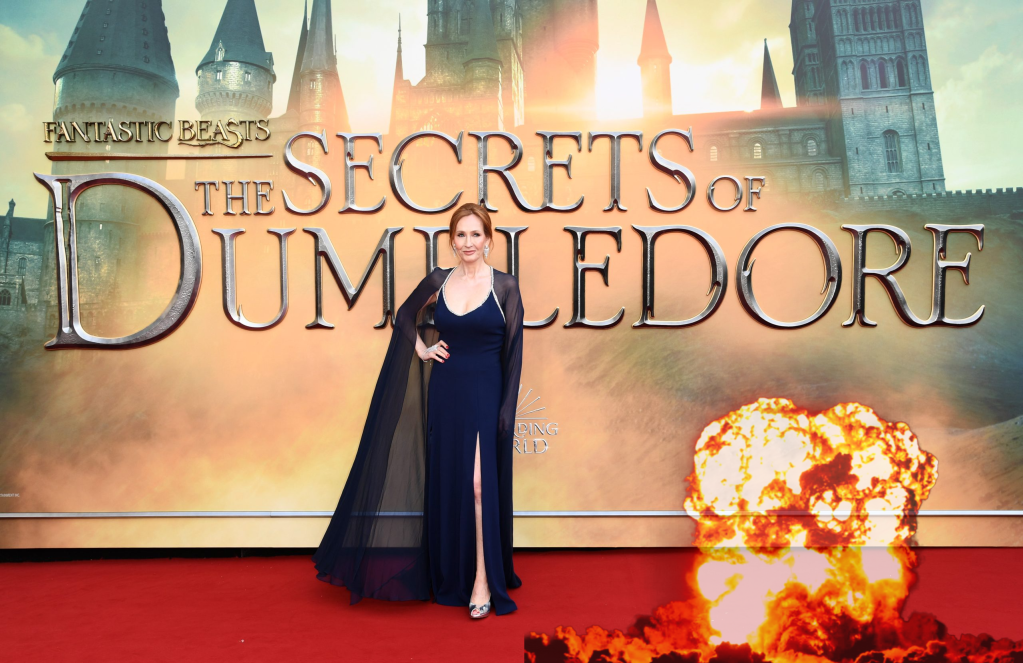

And although the studio has outlined a 10-year plan to build the DCEU (DC Extended Universe) into the next Marvel, two of their next films have imploded. Batgirl, completed for $90m, was abruptly canceled with no plans for release, not even to streaming.
And The Flash‘s release, a film which is nearly completed for ~$300m, is still uncertain as its troubled star, Ezra Miller, faces criminal charges.
The killing of Batgirl by David Zazlav, the head of Warner Bros./Discovery (whose picture is on the RIGHT), is a signal this studio is cleaning up and refocusing. Zazlav’s focus on “it’s not about how much, it’s about how good” has led to cancelling many completed film projects, film productions, HBOMax and Discovery shows. And more content is likely on the chopping block.
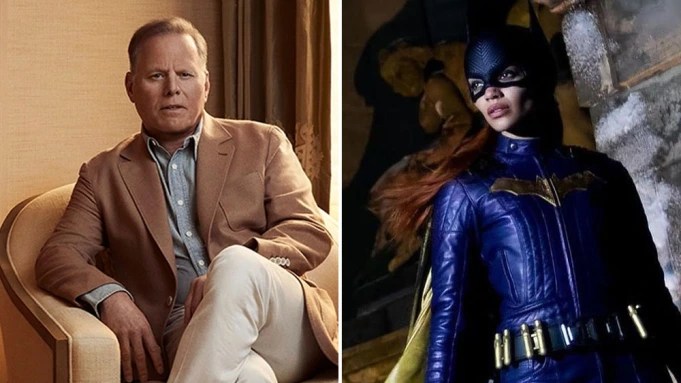

Going forward, the company says it’s committed to using theaters as a driver of profit – not just dumping films immediately to streaming.
Emphasizing “theaters first”, plus the probable merging of HBOMax and Discovery into one streaming service, indicates it will take a while for the dust to clear on whether this “refocused” direction will yield future success.

DISNEY
(failing to expand…)
WAS in 2019: A
NOW in 2022: C+
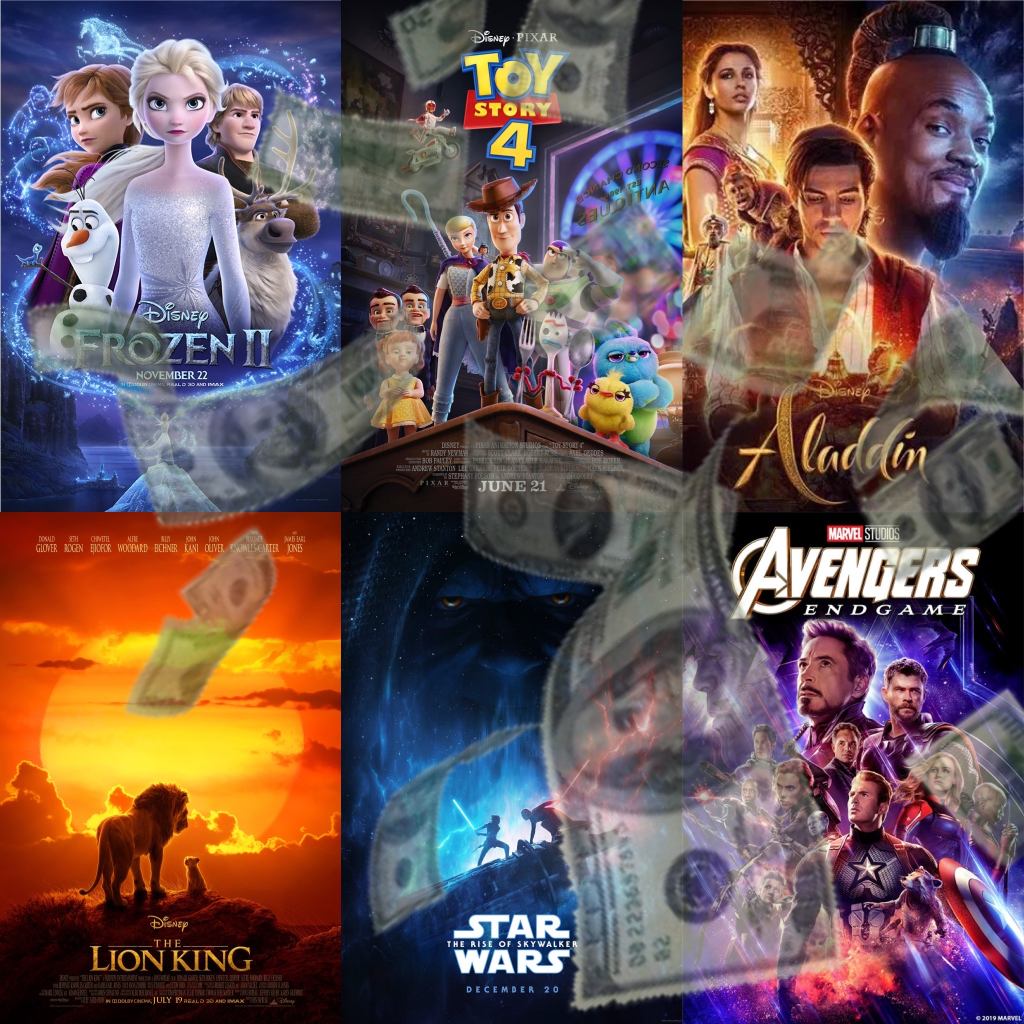
In 2019 Disney had the most successful year for any studio ever. Their animated sequels rocked it (Frozen 2, Toy Story 4), their live action remakes rocked it (Aladdin, Lion King), Star Wars was mixed negative (Rise of Skywalker), but their Marvel movies were at the top of their game (Avengers: Endgame).
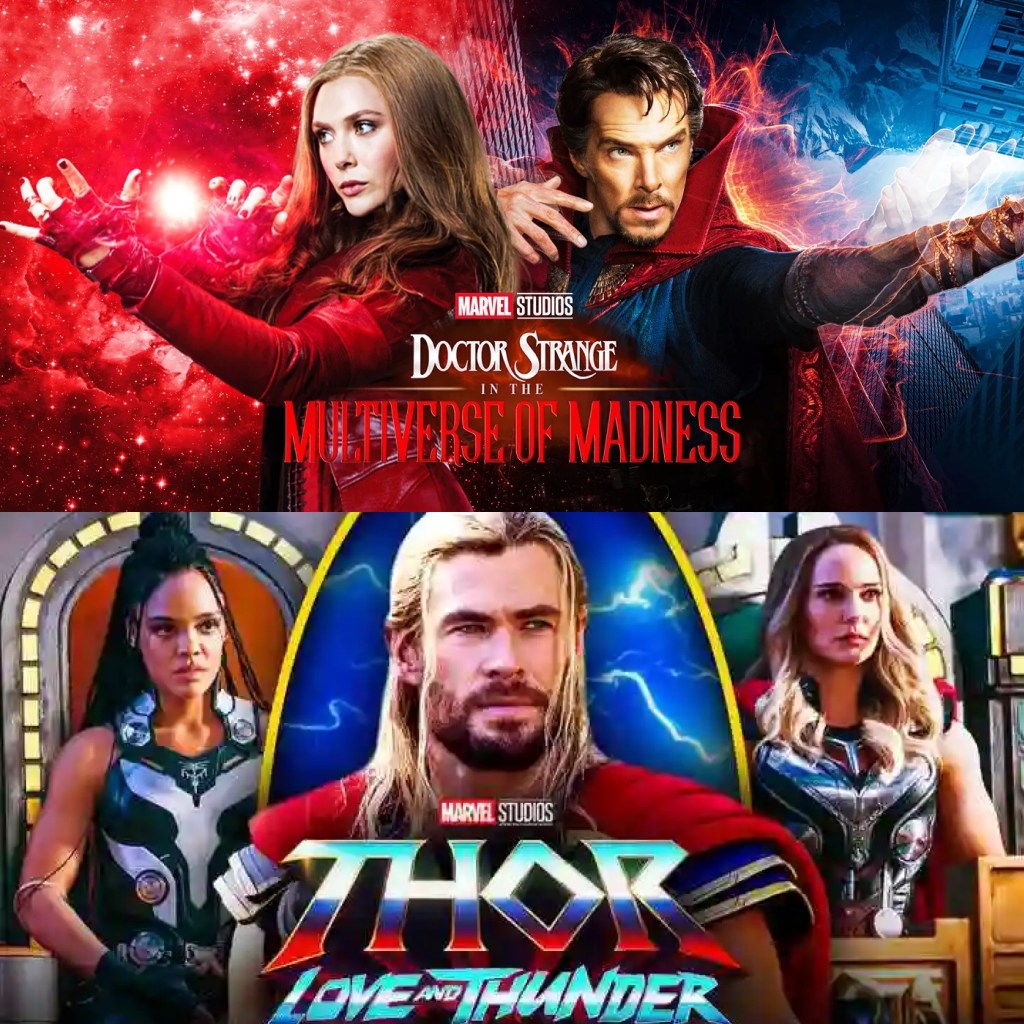
Now, it’s just Marvel that’s performing well in theaters. Disney is perhaps a victim of their own expectations, with Thor 4 and Doctor Strange 2 still earning healthy numbers ($750+ million and $955 million respectively), but feeling like missed potential given both their budgets and expectations from Disney investors.
Perhaps Disney’s focus on streaming and success on Disney+ has hurt their theatrical films, with less of an urge to see their upcoming films right away.
It doesn’t help that Marvel movies are pretty much now banned in China or Russia, which is increasingly becoming a problem (that’s $150-200 million in box office for each movie left on the table).
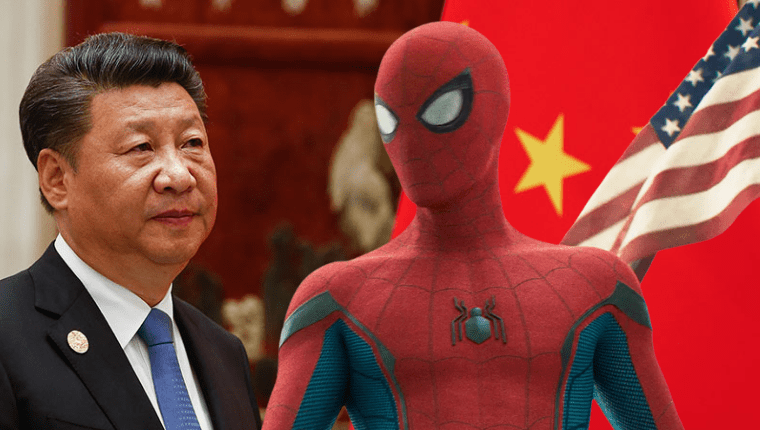
After 2019, the Chinese government has gained an anti-Disney bias, arbitrarily banning future Marvel films from playing in the country, in order to emphasize their own blockbusters in cinemas instead.
Hopefully this years Black Panther 2 will be big enough to do well without China.


But easily the worst blockbuster performance of the year though goes to the misfire Lightyear, the lowest grossing Pixar film ever with $230+ million global, on a $150-$200 million budget.
I still blame Disney+ for diluting the Pixar brand (Pixar‘s last 3 films went straight to streaming for free), but the damage has already been done against the studio’s reputation.
With the seemingly inexhaustible hunger for content to gain and retain streaming subscribers, AND stay on top at the box office, Disney may be running the risk of exhausting their brands (Marvel, Star Wars, Pixar) by pumping out endless theatrical and TV content.
CONCLUSION:
While none of these studios are in danger of folding any time soon, Warner Brothers/Discovery and Disney stocks are at lows.
It seems safe to say that there is a path for money to be made at the box office, at least for tentpole movie experiences. And although studios continue to be dependent on franchises for ideas, there is still room for original content to do well if the right cast and story is there.
But the era of “unlimited production of content” for streaming services seems to be ending, as studios and investors are finally realizing this feeding frenzy of content is not sustainable. That doesn’t mean that great non-tentpole content won’t be made; it just may have to find a new home, now that streaming is now longer the priority for the studios.
-
Weekend Box Office (7/31/22) ‘DC League Of Super-Pets’ Flies To $23M Opening, ‘Nope’ falls down to earth with -58% drop
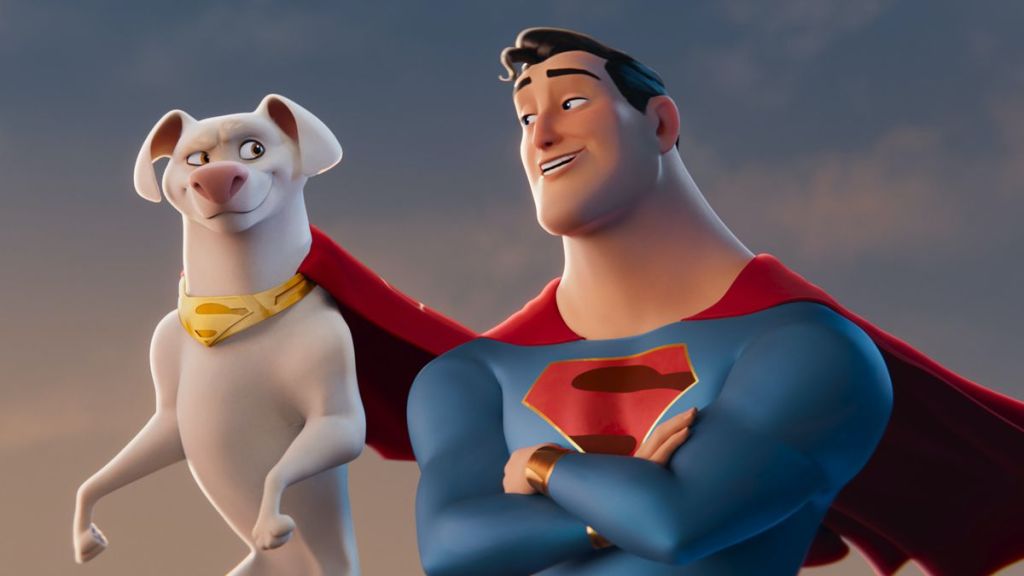
DC’s League of Super Pets, the Dwayne Johnson/Kevin Hart animated action comedy, opened this weekend. The film essentially pitched itself as “The Secret Life of Pets, but co-starring the Justice League,” and earned surprisingly okay reviews (72% fresh on Rotten Tomatoes) and “fine” reactions from audiences (an A- from CinemaScore).
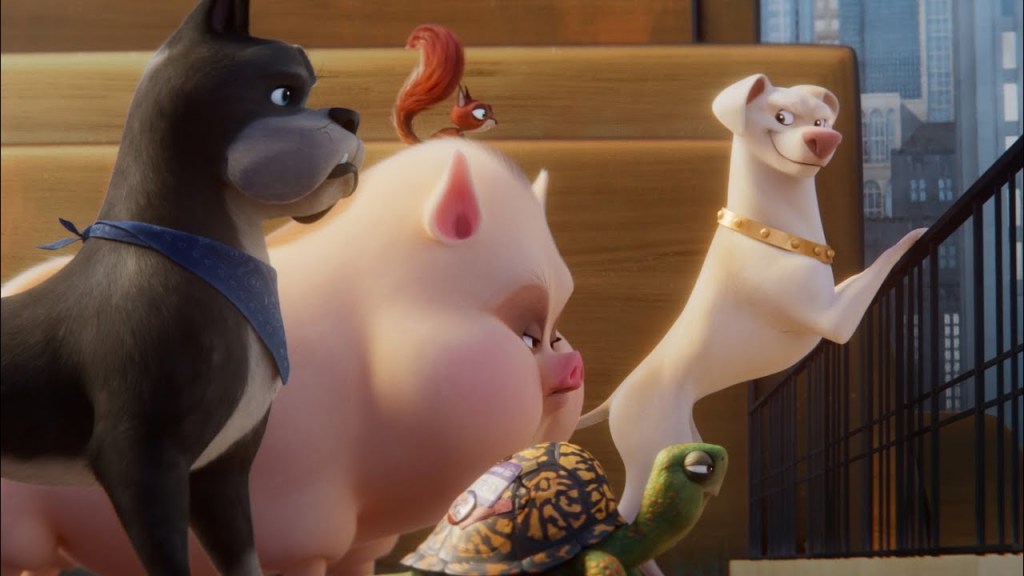
The $23 million opening was lower than expected, probably because the film plays like a tired version of The Lego Batman, and The Secret Life of Pets.
Maybe the filmmakers thought having big comedy stars, like The Rock and Kevin Hart, combined with superheroes would add energy, but it’s not enough to create a really exciting few hours.
It’s kind of funny that Dwayne Johnson was originally supposed to open this weekend with another Warner Bros./DC movie, Black Adam. (Talk about being all places at once).
But that project has been delayed until October, due to the backlog of special effects at post-production VFX warehouses. Probably a good thing, as the positive buzz that began at Comic-Con last week will hopefully snowball over the next few months, so that more fans will be excited for Black Adam by its release in the fall.

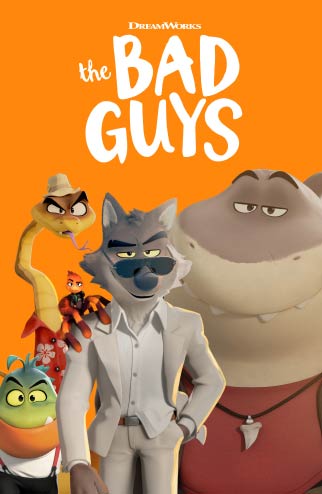
As for Super Pets, here’s a good comparison. The Bad Guys was another animated movie released in April 2022. Both movies had little competition when it came to family films, and both cost $80-90 million to make. Super Pets’ $23 million opening is equal to what The Bad Guys ran out the gate with.
The Bad Guys had slightly better word of mouth (an A CinemaScore), but still flew high to eventually earn $96.6 million in the U.S. and $250+ million worldwide. Based on that, one would hope Super Pets can pull in similar numbers, which would be pretty profitable – despite being a more tired and predictable film.

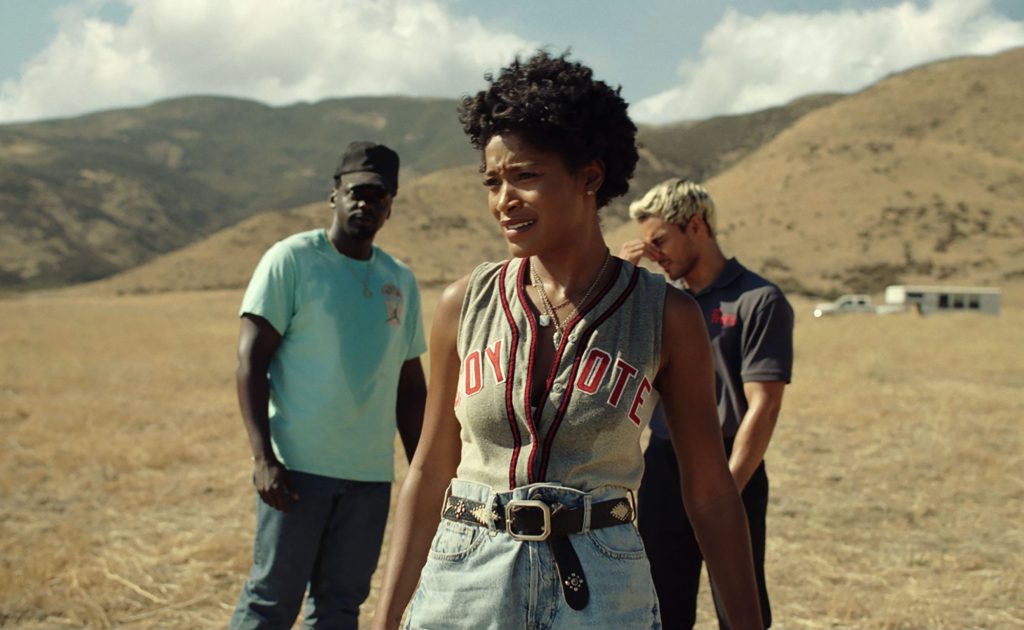
In other news Nope fell hard, dropping a steep 58.2% in its second weekend.
While Jordan Peele’s last film, Us, dropped 53% in it’s second weekend (a little better but in a similar ballpark), Us had a bigger opening ($71 million vs. $44 for Nope) and cost less (Us cost $20 million vs. Nope cost $69 million).
This leads to the question – Why is Nope struggling to find an audience?

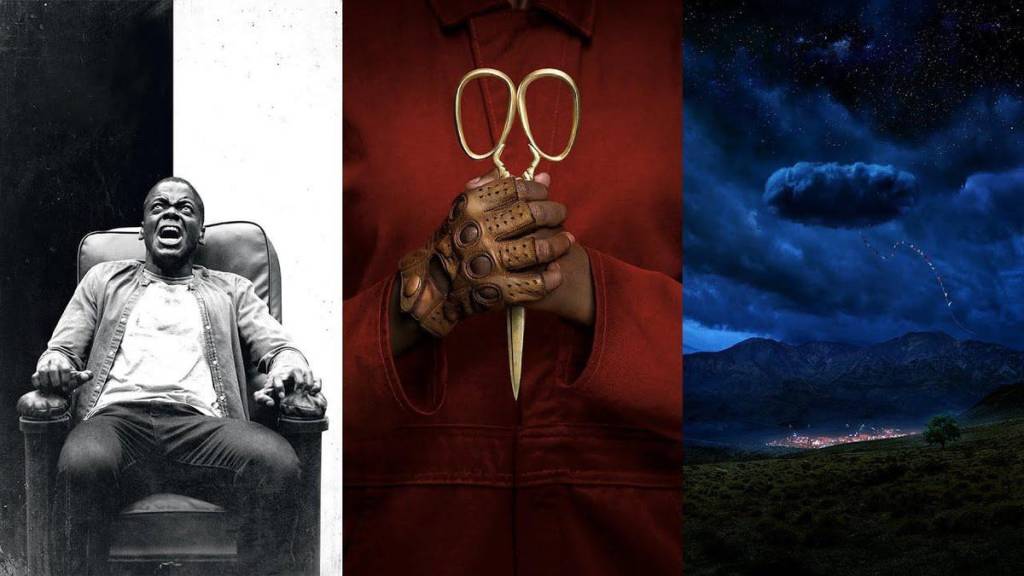
One theory I have is: the Jordan Peele brand is highly intertwined with horror. From Candyman, Get Out, to Us. Although Nope has a few scary moments, it’s a slower film, with a sci-fi bent, and complex themes that might leave an audience scratching their heads to get the point.
Most people like to know what they’re getting into, before trekking to the theater and paying their $15.
Maybe in Peele’s quest to be original and thought provoking, he’s made a film that leaves the audience not really sure they got the point.
Peele has had a string of successes that have raised his profile as a director. Yet if Nope continues to disappoint in the upcoming weeks, it will be interesting to see if he gets as open a check book for his next film.
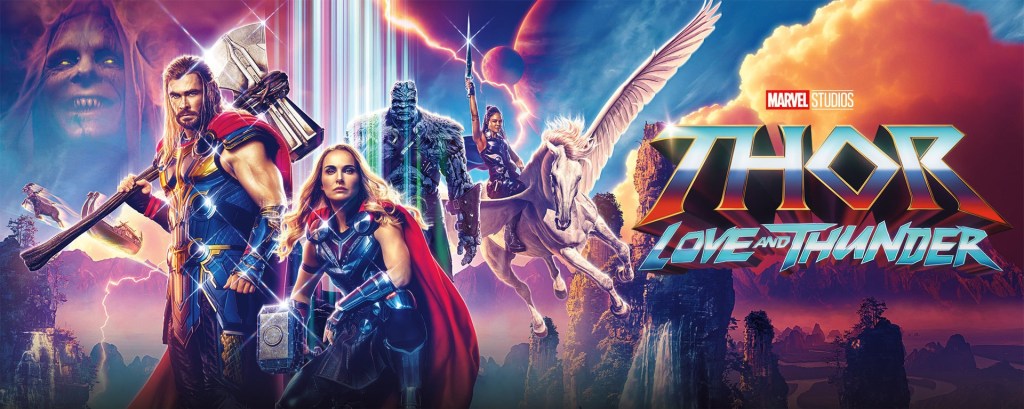
Thor 4 recovered somewhat in its fourth weekend, only falling 41.5% earning $13.17 million. The Taika Waititi-directed sequel is still expected to finish above what Thor Ragnarok ended with: $340-350 million domestically, and around $750 million worldwide (without China/Russia).
That’s a win, even if it’s less than Disney likely would have hoped for.
Minions: The Rise of Gru ran away with another $10.98 million weekend (39% drop) for $321 million so far. It aims to finish near the ending totals of Secret Life of Pets and Despicable Me 2 ($365-$370 million), as one of the biggest hits ever for Illumination Animation.


Top Gun: Maverick earned another $8.2 million (-20%) in its 10th weekend (!!), and is soon flying past $650 million domestic.

That puts it within a week of passing Jurassic World ($652 million in 2015) and Titanic ($659 million) to later become the 7th biggest film of all time in the U.S. box office. Wow!
The word of mouth is still on fire, plus with plenty of sky still to cover throughout August and September to earn more money. Can Tom Cruise be stopped?

Sony’s Where the Crawdads Sing continued to leg out, helped by being the summer’s only “big” movie for adult women. The Daisy Edgar-Jones $24 million melodrama earned $7.56 million (-27%) in its 3rd weekend, and should pass $70 million domestic by the end.
That’s a terrific result for the kind of drama that has spent the last two years getting banished to streaming, and should encourage Sony to release more of their films to theaters first.
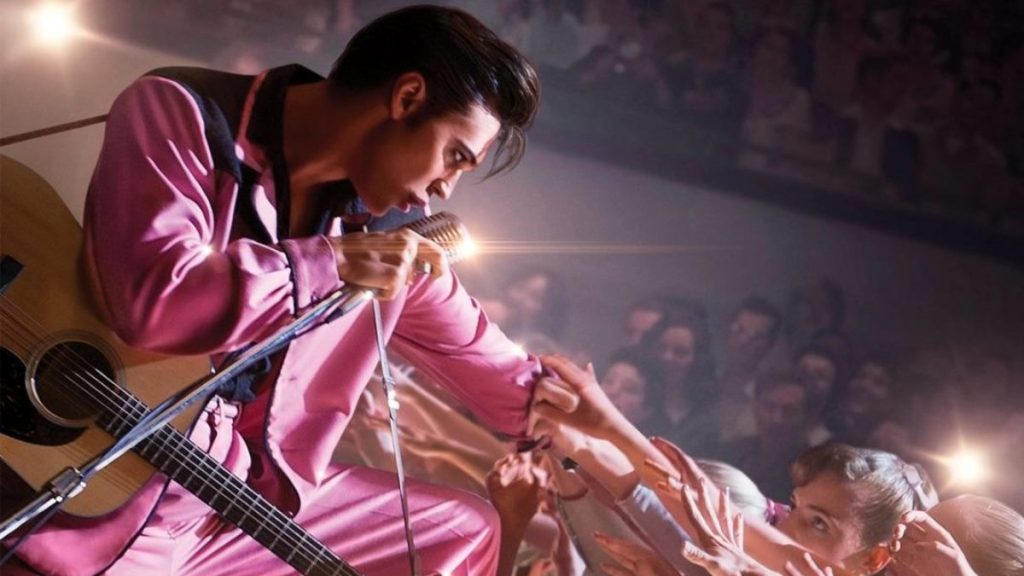
Warner Bros. Discovery’s Elvis is also benefiting from adult audiences trekking out to the theater, as the Baz-Luhrmann-directed epic earned another $6 million weekend (-12%, a phenomenal hold).
At this rate, the $85 million Austin Butler/Tom Hanks musical biopic could reach $150 million domestically even before it becomes a major awards season player.
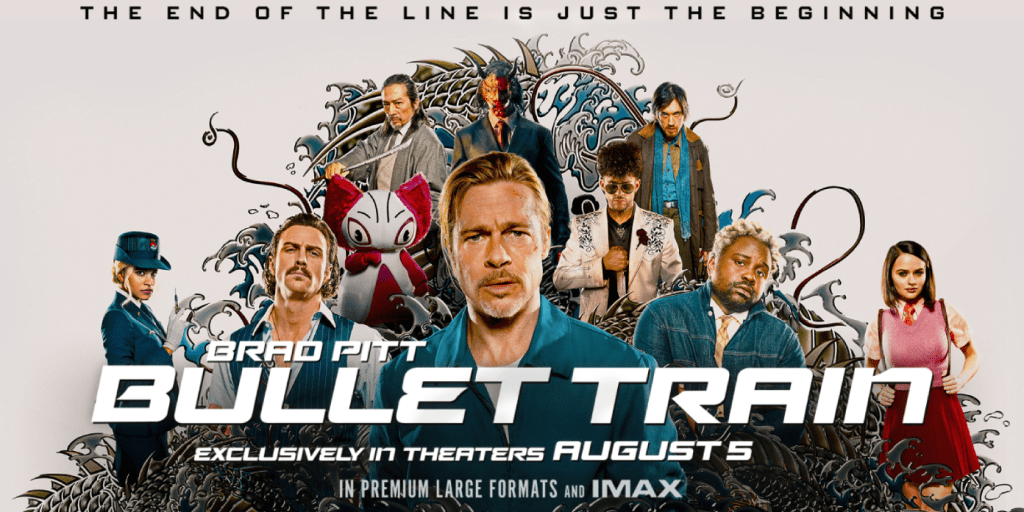
As for next weekend, Sony’s Bullet Train will open as the last “big” movie of the summer. The action thriller has a stacked cast of Brad Pitt, Sandra Bullock, Bryan Tyree Henry, Zazie Beetz, and Aaron Taylor-Johnson.
It’s also from director David Leitch, the filmmaker behind John Wick, Atomic Blonde, and Deadpool 2.
The hope would be that this $80-100 million budgeted action film would open with around $30 million, to then leg out for the rest of summer. But even if Bullet Train falls short of that, the film has clear sailing for the rest of August and September to find moviegoers.
And that’s it for the weekend box office. What films are you still interested in seeing or hearing about?
-
Weekend Box Office (7/24/22) Nope flies to $44 million debut, nice for an original thriller
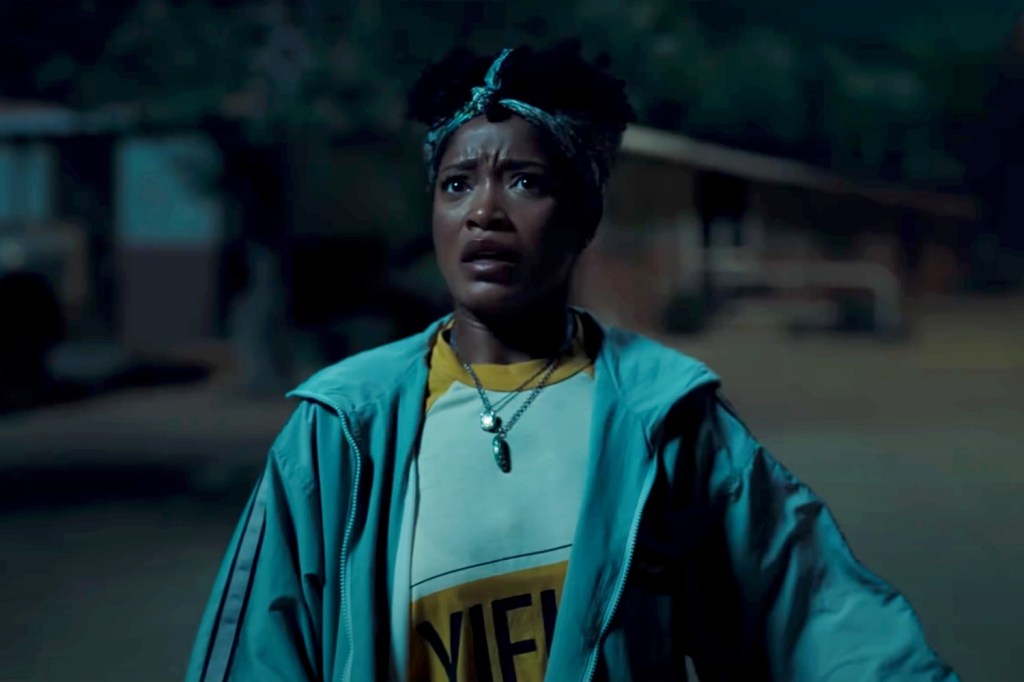
Keke Palmer NOPE trailer Universal Pictures/Youtube https://www.youtube.com/watch?v=In8fuzj3gck Universal and Monkeypaw’s Nope flew off to a promising start, as the well-reviewed (83% on Rotten Tomatoes) and *mostly* well-received by audiences (B from CinemaScore – okay for a Horror movie) Jordan Peele adventure earned $44 million over its opening weekend.
It’s far less than Jordan Peele’s last film, Us (that opened to $71 million), but Us had a lot more publicity, star-power, less cryptic marketing, compounded with the anticipation and expectation of the movie as a metaphorical sequel to Get Out. But for an original thriller in this day and age, Nope’s opening is encouraging.
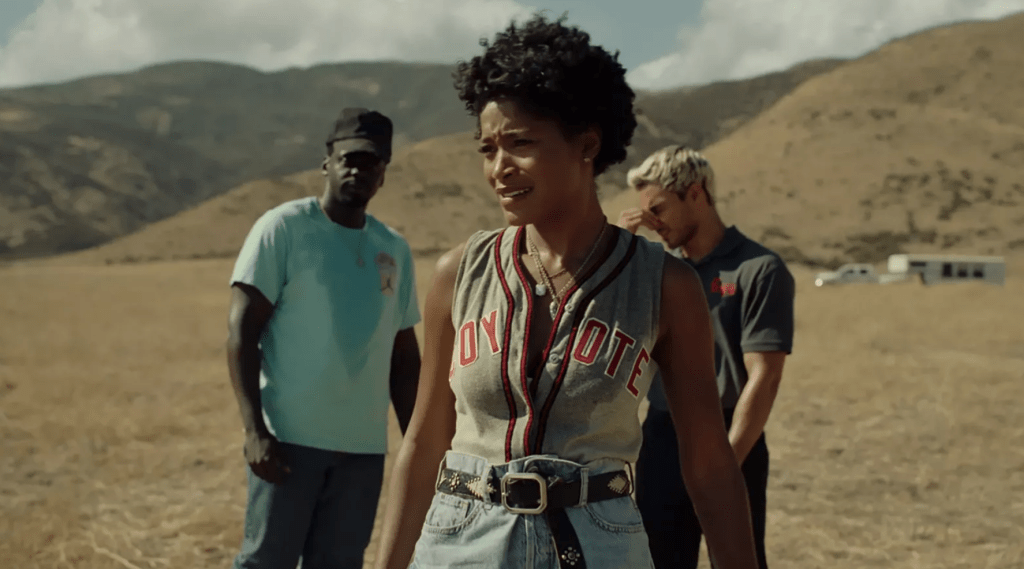
Nope is less a horror movie and more of a slow burn, sci-fi thriller, with interesting questions about the unknown and predators in nature (like a Spielberg adventure, ala Jaws or Close Encounters).
It has a fun, original script (Daniel Kaluuya and Keke Palmer play Hollywood horse wranglers, who try to film footage of a predatory UFO), and has some satisfying ending twists and spectacularly filmed sequences of suspense.
Yet it’s not a traditional horror movie, as it requires the audience to be patient for the “acts of terror”. It will be interesting to see how audiences respond in the weeks to come.
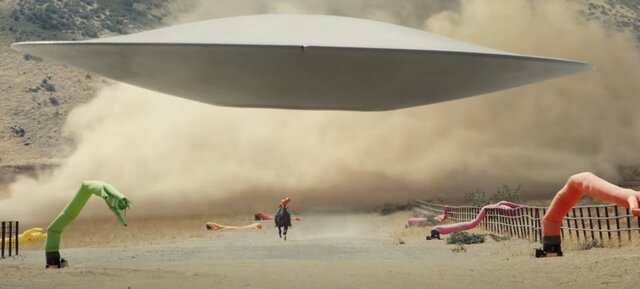
Nope officially cost $69 million to make, and has open real estate to make serious theatrical money during August and September, as there are few competitors for moviegoers looking for a thriller/scary film this summer.
As a filmmaker, Jordan Peele is easily comparable to M Night Shyamalan, or maybe Christopher Nolan. It’s not like many high-concept filmmakers have risen over the last 20 years, who consistently make original chilling thrillers that also become box office smashes.
While Nope clearly isn’t as popular as Jordan Peele’s previous 2 horror films, it does point to a positive relationship between Universal Studios and Peele in the years to come.
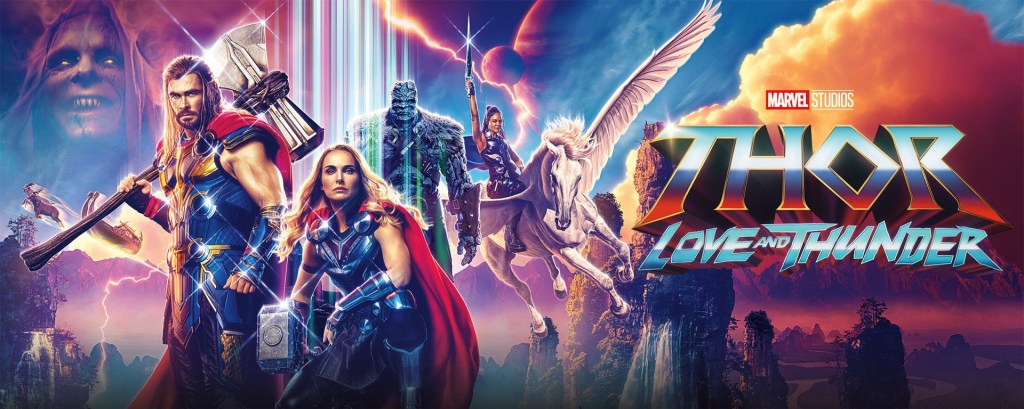
The $250 million budgeted Thor: Love and Thunder earned another $22.55 million (-51.6%) in its third weekend, and has $599 million worldwide so far.
We’re still looking at a fourth Thor movie that should end up just over/under the total of Thor: Ragnarök, both in the U.S. ($315 million) and worldwide ($712 million without Russia and China). That’s damn good for any fourth entry of any franchise. Word-of-mouth and audience reactions have been more mixed than previous Marvel movies, but the film is performing well by any rational standard.
Plus after yesterday’s Marvels’ Comic Con presentation, which announced almost 5 new exciting projects (including Fantastic Four and two new Avengers), fans now have less reason to be pessimistic about the franchises’ future.
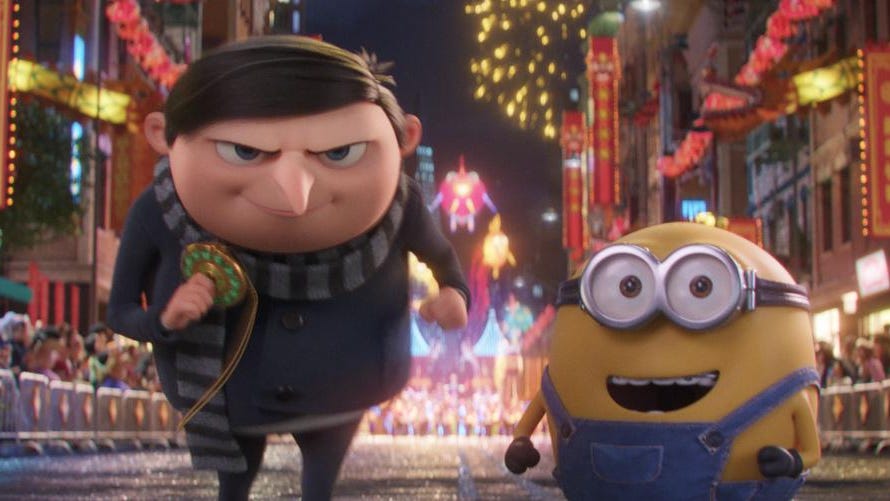
Minions: The Rise of Gru earned another $18 million (-33%) in its 4th weekend for $298 million in the U.S. It’s earned better reviews and legs than the first Minions (which earned $288 million at this point), pointing to plenty of more life in this franchise. The $80 million budgeted prequel/sequel should end above $900 million worldwide. Despicable Me 4 is coming in summer 2024.

Where the Crawdads Sing earned a $10.5 million (-39%) in its 2nd weekend. With good word of mouth, this $24 million thriller should end with $65-70 million domestically. That’s a terrific result for the kind of movie that has spent the last two years getting banished to streaming, and should encourage Sony to release more of their films to theaters first.

Tom Cruise proves again that he’s unkillable, with Top Gun: Maverick dropping -16% (a phenomenal hold), earning earn another $10.27 million in its 9th weekend, for $636 million so far in the U.S. The film just passed $1.283 billion worldwide.
The word of mouth is still on fire, plus with plenty of sky still to cover throughout August and September to earn more money. Can Tom Cruise be stopped?

Warner Bros.’ Elvis earned another $6.58 million (-17%) over its 5th weekend (also a phenomenal hold), as the Baz Luhrmann-directed musical biopic has $119 million in the U.S. so far. Still expecting to finish with over $140 million, and much more worldwide.
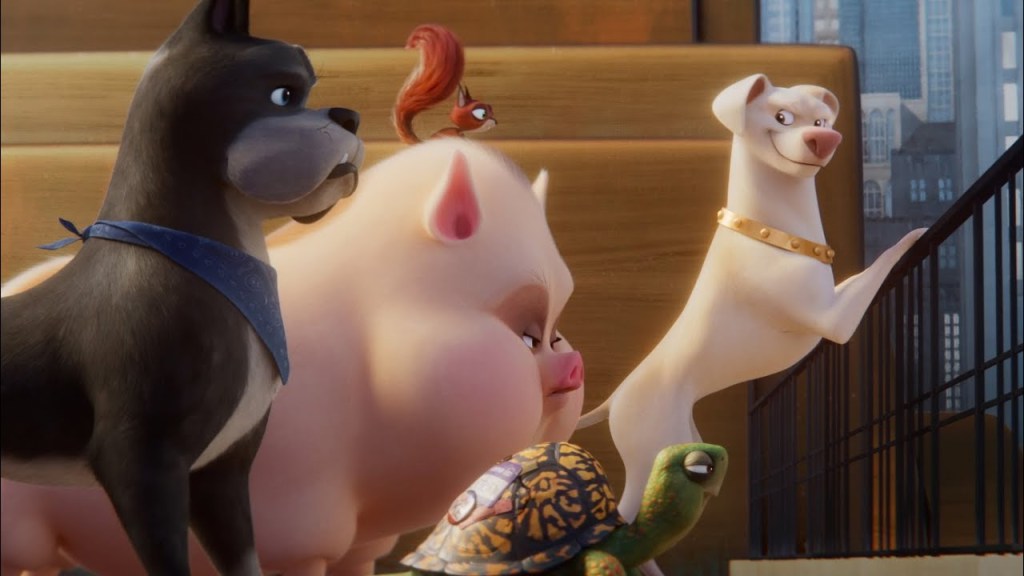
As for next weekend, DC’s League of Super Pets opens. Animated movies have done well at the box office as of recently (The Bad Guys, Sing 2, Minions 2 etc.), and from what I’ve been told the movie is cute. It’s sold as The Secret Life of Pets but with superheroes, starring Kevin Hart and The Rock.
I’m not sure what the budget is for this, but a $35-40 million opening would be pretty great. I would laugh hard if this film opened bigger than the $200 million budgeted Lightyear.
And that’s it for the weekend box office. What films are you still interested in seeing or hearing about?
Zan Hollywood Box Office – Analysis Site
Films, Hollywood Analysis, and the Box Office! A film blog trying to be seen…

 Zan Hollywood Box Office - Analysis Site